
Uncategorized

Uncategorized

Best Hospitals in Bhopal: Top Multispeciality Hospitals and Healthcare Services

Choosing the right hospital is an important decision when you or a family member needs medical attention. A suitable healthcare facility should provide access to qualified doctors, appropriate diagnostic support, relevant medical and surgical departments, and treatment based on the patient’s individual needs. Bhopal has several government hospitals, private hospitals, and multispeciality healthcare institutions serving residents from different parts of the city and nearby areas. People searching for the Best Hospitals in Bhopal should consider more than a hospital’s popularity or online reviews. The availability of the required specialist, diagnostic facilities, emergency support, treatment costs, and follow-up arrangements can all influence the choice. The most appropriate hospital depends on whether a patient needs a routine consultation, specialist evaluation, planned surgery, or emergency medical care. A Multispeciality Hospital in Bhopal can provide access to different medical and surgical departments under one roof. This can be helpful when a patient requires consultations from multiple specialists or coordinated care for a complex medical condition. Synergy Super Speciality Hospital, located in Saket Nagar, Bhopal, offers several specialist services, including gastroenterology, general surgery, lung care, neurosurgery, obstetrics and gynaecology, orthopaedics, urology, cardiology, and critical care. This guide explains the hospital services available at Synergy Super Speciality Hospital, important factors to consider when choosing a healthcare facility, and how patients from Saket Nagar, Habibganj, DRM Road, Arera Colony, and nearby localities can evaluate their healthcare options. Understanding Multispeciality Healthcare Services A multispeciality hospital provides medical services across different clinical departments. Depending on its facilities and specialist availability, it may offer outpatient consultations, diagnostic investigations, surgical procedures, inpatient treatment, and critical care. When researching the Best Hospitals in Bhopal, patients should identify the department that matches their symptoms or diagnosis. For example, persistent digestive symptoms may require gastroenterology evaluation, while breathing difficulties may require assessment by a respiratory specialist. What Services Can a Multispeciality Hospital Provide? Multispeciality healthcare services may include: Gastroenterology and digestive health General surgery Lung care and respiratory medicine Neurosurgery Obstetrics and gynaecology Orthopaedics and joint care Urology Cardiology Critical care The availability of individual procedures and specialists can vary. Patients should confirm current services, appointment schedules, and diagnostic facilities directly with the hospital before visiting. Healthcare Services at Synergy Super Speciality Hospital, Bhopal Synergy Super Speciality Hospital provides access to several specialist departments for patients requiring medical consultations, investigations, and treatment. People looking for a Super Speciality Hospital in Bhopal can review the services below to understand which department may be relevant to their healthcare needs. 1. Gastroenterology Gastroenterology focuses on the digestive system, including the stomach, intestines, liver, pancreas, and gallbladder. Digestive symptoms can arise from several causes, and the appropriate evaluation depends on their duration, severity, and associated signs. Patients may seek gastroenterology consultation for persistent acidity, abdominal discomfort, constipation, changes in bowel habits, digestive difficulties, or liver-related concerns. The doctor may review the patient’s medical history, examine symptoms, and recommend investigations when necessary. Treatment depends on the underlying diagnosis and may involve medicines, dietary guidance, further testing, or specialised procedures. Learn more about Gastroenterology Services. 2. General Surgery General surgery involves the assessment and surgical management of a range of conditions. Depending on the diagnosis, general surgeons may evaluate hernias, appendicitis, gallbladder disorders, abdominal conditions, and certain soft-tissue problems. Some conditions can be managed with medicines or observation, while others may require surgery. The choice between open and minimally invasive techniques depends on the patient’s condition, medical history, and the surgeon’s assessment. Before a planned operation, patients should discuss the expected benefits, potential risks, preparation requirements, recovery period, and estimated expenses. Explore General Surgery Services in Bhopal. 3. Lung Care Lung care focuses on conditions affecting the lungs and respiratory system. Persistent coughing, wheezing, breathlessness, recurrent respiratory symptoms, and changes in breathing may require medical evaluation. Respiratory conditions can have different causes, including asthma, infections, and other lung disorders. A doctor may recommend clinical examination, lung function testing, imaging, or other investigations depending on the symptoms. People with sudden or severe breathing difficulty should seek emergency medical attention rather than wait for a routine appointment. Read more about Lung Care Services. 4. Neurosurgery Neurosurgery deals with selected conditions affecting the brain, spine, and nervous system that may require surgical assessment or intervention. Patients may need specialist evaluation for certain spinal disorders, brain conditions, nerve compression, or neurological injuries. Not every neurological condition requires surgery. The treatment approach depends on the diagnosis, severity of symptoms, examination findings, and available investigations. Patients considering a neurosurgical procedure should ask about alternative treatments, potential complications, expected recovery, and follow-up requirements. Explore Neurosurgery Services in Bhopal. 5. Obstetrics and Gynaecology Obstetrics and gynaecology services address pregnancy-related care and women’s reproductive health. Women may require consultation for irregular periods, PCOS, fibroids, pelvic discomfort, reproductive health concerns, pregnancy monitoring, and other gynaecological conditions. The appropriate evaluation depends on the patient’s age, symptoms, medical history, and reproductive goals. Investigations may include blood tests, ultrasound, or other assessments when clinically indicated. Women experiencing severe pelvic pain, unusually heavy bleeding, or pregnancy-related warning signs should seek timely medical evaluation. Learn more about Obstetrics and Gynaecology Services. 6. Orthopaedics Orthopaedics focuses on bones, joints, ligaments, muscles, and related musculoskeletal conditions. Patients may seek assessment for fractures, arthritis, back pain, joint discomfort, sports injuries, and mobility problems. Treatment depends on the underlying condition and may involve medicines, physiotherapy, rehabilitation, supportive devices, or surgery. Appropriate diagnosis helps determine which option is suitable. Patients recovering from orthopaedic surgery may also require follow-up consultations and rehabilitation to support mobility and recovery. Explore Orthopaedic Treatment in Bhopal. 7. Urology Urology deals with conditions affecting the urinary tract and male reproductive system. Symptoms such as painful urination, urinary difficulties, blood in the urine, or recurring urinary problems may require medical assessment. Urological conditions can include kidney stones, urinary tract obstruction, prostate-related problems, and other disorders. Diagnosis may involve urine tests, blood tests, imaging, or specialised investigations, depending on the symptoms. Patients should discuss the available treatment options with a qualified specialist and seek urgent care for
Uncategorized

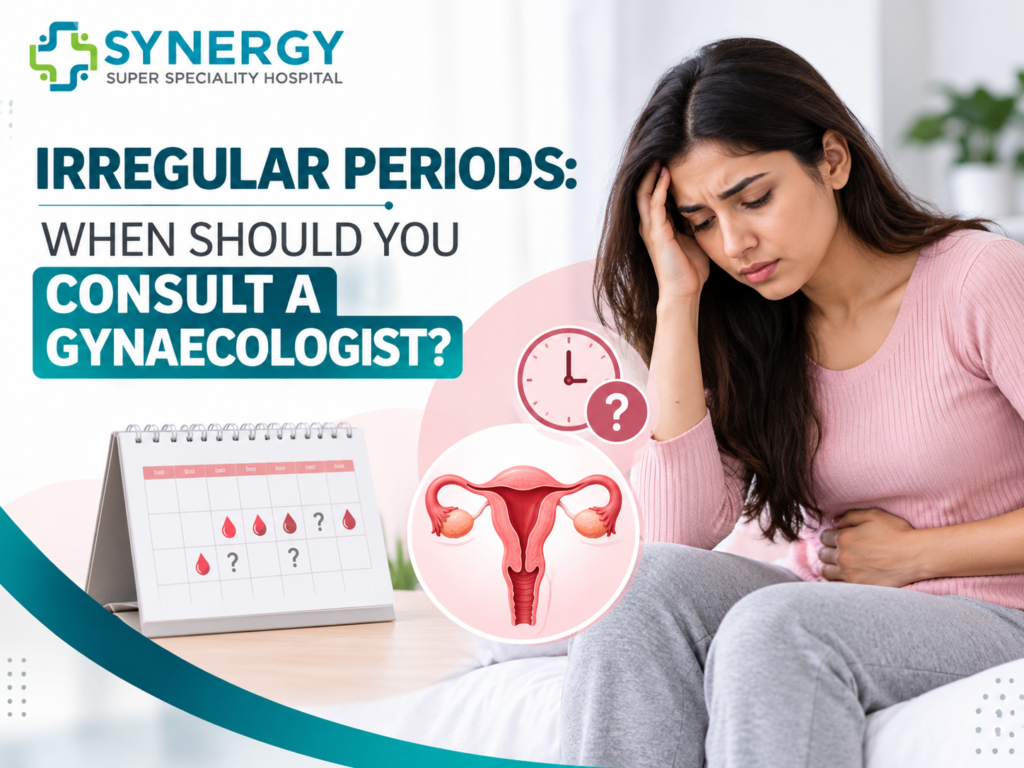
Irregular Periods Treatment in Bhopal: When Should You Consult a Gynaecologist?

Irregular periods are a common menstrual health concern that can occur at different stages of a woman’s reproductive life. A period does not necessarily need to arrive on exactly the same date every month, but repeated changes in cycle length, missed periods, unusually heavy bleeding, prolonged bleeding, spotting, or significant menstrual pain may require medical evaluation. Stress, weight changes, hormonal fluctuations, polycystic ovary syndrome (PCOS), thyroid disorders, pregnancy, certain medicines, and reproductive health conditions can all influence the menstrual cycle. For women looking for Irregular Periods Treatment in Bhopal, identifying the reason behind the menstrual changes is an important first step. An irregular menstrual cycle does not always indicate a serious condition, but persistent or recurrent changes should not be ignored. A Gynaecologist in Bhopal can review menstrual history, symptoms, medical conditions, and appropriate investigations to determine whether treatment or further evaluation is required. Women experiencing repeated period irregularities, heavy bleeding, severe pelvic pain, or fertility concerns can seek appropriate gynaecological care. Treatment depends on the underlying cause and may include lifestyle measures, medicines, hormonal management, or treatment of an associated condition. Understanding Irregular Periods Irregular periods refer to changes in a woman’s usual menstrual pattern. The menstrual cycle is counted from the first day of one period to the first day of the next period. Some variation can occur naturally, but consistently unpredictable cycles may require assessment. Irregular menstruation may involve: Periods arriving earlier than expected Periods arriving several weeks late Missing one or more periods Different cycle lengths from month to month Very heavy bleeding Unusually light bleeding Bleeding lasting longer than usual Spotting between periods Bleeding after sexual intercourse Significant menstrual or pelvic pain For women searching for Irregular Periods Treatment near Saket Nagar Bhopal, it is important to understand that treatment should be based on the underlying cause rather than simply trying to regulate the cycle without identifying why the change is occurring. Understanding the Normal Menstrual Cycle Every woman can have a somewhat different menstrual pattern. Cycle length and bleeding can also change during adolescence, pregnancy-related periods, breastfeeding, and the years approaching menopause. Keeping track of the menstrual cycle can help identify changes. Women can record: First day of each period Last day of bleeding Number of days between periods Amount of bleeding Presence of blood clots Menstrual pain Spotting Other physical symptoms Changes in medicines or contraception A menstrual diary can provide useful information during a consultation with a gynaecologist. Common Causes of Irregular Periods There are several possible reasons why periods may become irregular. The cause can vary considerably from one woman to another. Common factors include: Hormonal changes Polycystic ovary syndrome Thyroid disorders Pregnancy Stress Sudden weight gain Significant weight loss Excessive physical activity Certain medicines Hormonal contraception Breastfeeding Perimenopause Uterine fibroids Endometriosis Other reproductive or metabolic conditions Not every irregular period indicates a medical disorder. However, repeated changes, particularly when accompanied by other symptoms, should be appropriately evaluated. How Hormonal Changes Can Affect Periods Hormones have an important role in ovulation and menstruation. Changes in reproductive hormones can affect the timing, duration, and amount of menstrual bleeding. Hormonal changes may be associated with: Irregular menstrual cycles Acne Increased facial or body hair Hair thinning Weight changes Breast tenderness Mood changes Difficulty becoming pregnant Women looking for Hormonal Imbalance Treatment in Bhopal should first undergo appropriate evaluation because similar symptoms can occur due to different medical conditions. The treatment depends on the specific hormonal problem and the woman’s overall health and reproductive requirements. PCOS and Menstrual Irregularities Polycystic ovary syndrome, commonly called PCOS, is one possible cause of irregular menstruation in women of reproductive age. PCOS can affect ovulation and may cause periods to occur less frequently or at unpredictable intervals. Other symptoms may include: Acne Increased facial or body hair Weight changes Hair thinning Difficulty with ovulation Fertility concerns Women considering PCOS Treatment in Bhopal should understand that PCOS can present differently from one person to another. Diagnosis is based on the overall clinical picture, medical history, examination, and appropriate investigations. The relationship between PCOS and Irregular Periods is often related to changes in ovulation. However, irregular periods alone do not establish a diagnosis of PCOS. Can Stress Change Your Menstrual Cycle? Stress can influence the hormonal processes involved in menstruation. Significant or prolonged stress may contribute to delayed or missed periods in some women. Other lifestyle factors that may influence menstrual patterns include: Poor sleep Excessive exercise Sudden weight loss Significant weight gain Restrictive dieting Major emotional changes Changes in daily routine If menstrual irregularities continue after a stressful period, it is better to discuss the symptoms with a healthcare professional instead of assuming stress is the only reason. Weight Changes and Menstrual Health Sudden or significant changes in body weight can influence reproductive hormones and ovulation. Both substantial weight loss and excess weight may be associated with menstrual irregularities. During an evaluation, a gynaecologist may ask about: Recent weight changes Eating habits Physical activity Sleep Stress Existing health conditions Current medicines Menstrual history The goal of Irregular Periods Treatment in Bhopal is not simply to make periods occur on a fixed schedule. The more important objective is to understand and address the underlying cause. Thyroid Disorders and Irregular Periods The thyroid gland plays a role in several body functions, including metabolism and reproductive processes. Thyroid disorders can sometimes be associated with changes in menstrual cycles. Symptoms that may occur alongside thyroid-related problems include: Persistent tiredness Unexplained weight changes Changes in skin or hair Feeling unusually cold or hot Mood changes Changes in heart rate Menstrual irregularities When thyroid dysfunction is suspected, blood tests may be recommended. Treatment depends on the specific thyroid condition. Menstrual Changes During Adolescence Periods can be unpredictable during the first few years after menstruation begins because the reproductive hormonal system is still developing. Some variation can occur during adolescence. However, significant Period Problems in Women should be evaluated when bleeding is unusually heavy, periods are extremely painful, bleeding continues for an extended duration, or

Best Urologists in Bhopal for Common Urinary and Kidney Problems
Uncategorized

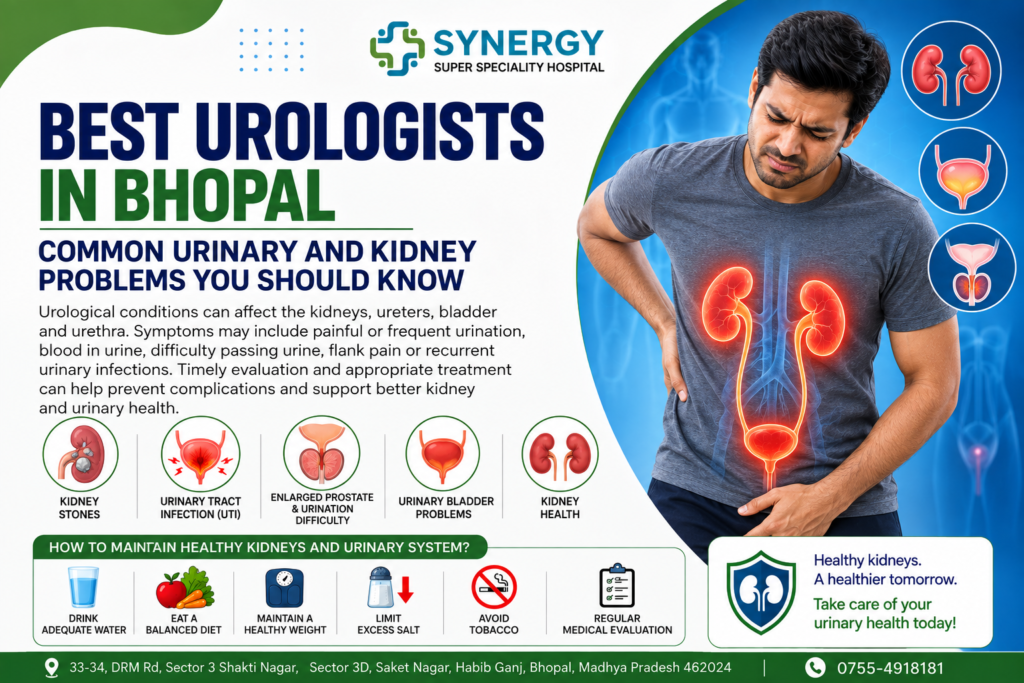
Best Urologists in Bhopal: Common Urinary and Kidney Problems You Should Know

Finding the Best Urologists in Bhopal begins with understanding the type of urinary or kidney problem you may be experiencing. The urinary system includes the kidneys, ureters, bladder, and urethra, while urological care also covers conditions affecting the prostate and male reproductive system. Problems in these areas can affect people of different ages and may cause symptoms ranging from burning during urination and frequent urination to blood in the urine, difficulty passing urine, or pain in the back and lower abdomen. Some urinary conditions are temporary and may improve with appropriate medical care, while others can become recurrent or lead to complications if left untreated. Kidney stones, urinary tract infections, prostate enlargement, urinary blockage, and certain kidney or bladder conditions may require assessment by a urological professional. The appropriate treatment depends on the underlying cause, symptoms, medical history, physical examination, and diagnostic reports. If urinary symptoms continue, become more severe, or interfere with daily activities, an appropriate medical evaluation can help determine what is causing the problem and whether medicines, lifestyle measures, procedures, or surgery may be required. What Does Urology Include? Urology is a medical and surgical specialty concerned with the urinary system and several aspects of the male reproductive system. A urologist may evaluate conditions involving: Kidneys Ureters Urinary bladder Urethra Prostate Testes Male reproductive organs Urinary tract A urological problem does not always require surgery. Depending on the diagnosis, treatment may involve medicines, hydration and lifestyle guidance, monitoring, minimally invasive procedures, or surgery. A Urologist in Bhopal may also evaluate symptoms such as urinary frequency, urgency, painful urination, difficulty starting urine, weak urinary flow, recurrent urinary infections, kidney stone symptoms, or blood in the urine. Early assessment can be useful because similar urinary symptoms can occur with different conditions. For example, frequent urination may be associated with infection, diabetes, bladder problems, prostate enlargement, or other causes. Common Urinary and Kidney Problems Several conditions can affect the urinary system. Some are more common in older adults, while others may occur at any age. Common urological problems include: Kidney stones Urinary tract infections Enlarged prostate Prostatitis Urinary retention Overactive bladder Urinary incontinence Blood in the urine Recurrent urinary infections Certain kidney and bladder conditions The presence of a urinary symptom does not automatically indicate a serious disease. However, persistent or recurrent symptoms should be appropriately evaluated rather than treated repeatedly without identifying the underlying cause. Kidney Stones: Causes, Symptoms and Treatment Kidney stones are hard deposits that can form inside the kidneys. They may remain in the kidney without causing symptoms or move into the urinary tract and produce significant pain. Common symptoms may include: Severe pain in the side or back Pain that moves toward the lower abdomen or groin Blood in the urine Nausea or vomiting Burning during urination Frequent urination Difficulty passing urine The symptoms can vary depending on the size and location of the stone. A Kidney Stone Treatment in Bhopal evaluation may involve urine testing, blood investigations, ultrasound, CT imaging, or other tests depending on the clinical situation. Small stones may sometimes pass naturally with appropriate medical guidance, while larger stones, persistent obstruction, severe symptoms, infection, or other complications may require a procedure. Why Do Kidney Stones Develop? Kidney stones can form when certain substances in the urine become concentrated and crystallise. Factors that may contribute include: Low fluid intake Certain dietary patterns Family history Previous kidney stones Some medical conditions Certain medicines Changes in urinary composition Not all kidney stones are made of the same material. Their composition can influence prevention strategies and future risk. Adequate fluid intake is commonly important for reducing the concentration of stone-forming substances in the urine, although fluid requirements vary between individuals. People who repeatedly develop kidney stones may benefit from discussing prevention strategies with a urological professional. Urinary Tract Infections A urinary tract infection, commonly called a UTI, can affect different parts of the urinary system. Symptoms may include: Burning during urination Frequent urination Urgency Lower abdominal discomfort Cloudy or strong-smelling urine Blood in the urine Fever in some cases A Urinary Infection Treatment in Bhopal evaluation may involve urine testing to identify whether an infection is present and determine the appropriate treatment. Not every urinary symptom is caused by a bacterial infection. Repeatedly taking antibiotics without proper evaluation can make it more difficult to determine the actual cause of recurring symptoms. Fever, chills, pain in the side or back, vomiting, or feeling significantly unwell alongside urinary symptoms may require prompt medical assessment because infection involving the kidneys can be more serious. Enlarged Prostate and Urinary Symptoms The prostate is a gland located below the bladder in men. As some men age, the prostate may enlarge and affect the flow of urine. Common symptoms can include: Difficulty starting urination Weak urine stream Frequent urination Urgency Getting up repeatedly at night to urinate Feeling that the bladder has not emptied completely Dribbling after urination An enlarged prostate does not automatically mean prostate cancer. Different prostate conditions can produce similar urinary symptoms, so proper evaluation is important. A Prostate Treatment in Bhopal assessment may include a medical history, physical examination, urine testing, blood tests, and other investigations depending on the patient’s symptoms and age. Treatment varies from monitoring and medicines to procedures or surgery in selected cases. Urinary Retention Urinary retention means difficulty emptying the bladder completely or being unable to pass urine. It may occur because of: Enlarged prostate Urethral narrowing Certain medicines Nerve-related problems Bladder dysfunction Stones Other urinary blockages Acute urinary retention, where a person suddenly cannot pass urine despite having a full bladder, can require urgent medical attention. A Urology Specialist in Bhopal can determine the likely cause and decide whether immediate bladder drainage, further investigations, medicines, or another treatment is required. Overactive Bladder Overactive bladder can cause a sudden urge to urinate, frequent urination, and sometimes leakage before reaching the toilet. Symptoms may include: Urgency Frequent urination Night-time urination Urge-related urine leakage These symptoms can affect sleep, work, travel, and daily activities. Treatment

General Surgeon in Bhopal performing surgery for common digestive, gallbladder, hernia, and appendix conditions
Uncategorized

General Surgeon in Bhopal: Common Conditions That May Require Surgical Treatment

A General Surgeon in Bhopal evaluates and treats a wide range of conditions that may affect the abdomen, digestive system, skin, soft tissues, breast, and other parts of the body. Not every condition requires surgery. In many situations, a surgeon may first recommend observation, medicines, dietary changes, or other non-surgical measures depending on the diagnosis. Surgical treatment may become appropriate when a condition causes persistent symptoms, complications, obstruction, infection, bleeding, tissue damage, or does not improve with conservative management. The type of procedure depends on the underlying condition, its severity, the patient’s medical history, and the results of clinical examination and diagnostic tests. Some surgical conditions develop suddenly, while others progress gradually. Abdominal pain, swelling, a lump, repeated vomiting, difficulty passing stool, or symptoms following an injury may sometimes require surgical assessment. Early evaluation can help determine whether surgery is necessary or whether another treatment approach is more suitable. What Does General Surgery Include? General surgery is a broad surgical specialty that covers many conditions involving the abdomen, gastrointestinal tract, skin, soft tissues, and related structures. A General Surgeon in Bhopal may evaluate conditions involving: Appendix Gallbladder Hernias Intestines Stomach Soft tissues Skin and subcutaneous tissues Certain breast conditions Abscesses Anorectal conditions Some emergency surgical problems General surgeons may use both traditional open procedures and minimally invasive techniques depending on the condition and clinical circumstances. The choice of surgical approach is not the same for every patient. A surgeon may consider the location and size of the problem, previous surgeries, overall health, and available diagnostic information before recommending a procedure. Common Conditions That May Require Surgical Treatment Several common medical conditions can sometimes require surgical intervention. Whether surgery is necessary depends on the individual’s symptoms and diagnosis. Common conditions include: Appendicitis Gallstones Gallbladder inflammation Hernias Certain intestinal problems Abscesses Some anorectal conditions Certain soft-tissue lumps Selected breast conditions Some emergency abdominal conditions Some of these conditions may be managed without surgery in selected circumstances, while others may require an operation because of complications or the risk of worsening. Appendicitis and Appendix Problems Appendicitis occurs when the appendix becomes inflamed. It can cause pain that often begins around the abdomen and may become more prominent in the lower-right side. Other possible symptoms include: Abdominal pain Loss of appetite Nausea Vomiting Fever Abdominal tenderness Symptoms can vary between individuals, and other conditions can cause similar abdominal pain. An Appendix Surgery in Bhopal evaluation may involve a physical examination, blood tests, ultrasound, CT imaging, or other investigations depending on the clinical situation. When appendicitis is confirmed and surgery is recommended, appendectomy involves removing the inflamed appendix. The surgical approach may be open or laparoscopic depending on the patient’s condition and the surgeon’s assessment. Gallstones and Gallbladder Problems Gallstones are hardened deposits that can form inside the gallbladder. Some people have gallstones without experiencing symptoms, while others may develop abdominal pain or complications. Possible symptoms include: Pain in the upper-right abdomen Pain after meals Nausea Vomiting Indigestion Fever when inflammation or infection develops When gallstones cause repeated symptoms or complications, surgical treatment may be considered. Gallbladder Surgery in Bhopal commonly refers to removal of the gallbladder, known as cholecystectomy. Laparoscopic surgery may be considered in suitable patients. The need for surgery depends on symptoms, imaging findings, complications, and overall medical assessment. Hernia and Hernia Surgery A hernia occurs when tissue pushes through a weakened area of the surrounding muscle or connective tissue. Hernias commonly occur in the abdomen or groin. A person may notice: A visible or palpable lump Discomfort while lifting Pain during coughing or straining A feeling of pressure Swelling that changes with position Some hernias remain relatively stable, while others may enlarge or become complicated. A Hernia Surgeon in Bhopal can assess the location and characteristics of the hernia and determine whether observation or surgical repair may be appropriate. Hernia repair involves returning the protruding tissue to its appropriate position and strengthening the weakened area. Depending on the case, open or laparoscopic repair may be considered. When Does a Hernia Become an Emergency? A previously known hernia requires prompt medical attention if there is sudden severe pain, a rapidly increasing swelling, persistent vomiting, abdominal distension, or a lump that becomes firm and cannot be pushed back. These symptoms can sometimes indicate obstruction or compromised blood supply to the trapped tissue. Emergency assessment is particularly important when symptoms develop suddenly or become significantly worse. A surgeon can determine whether urgent intervention is required after examination and appropriate investigations. What Is Laparoscopic Surgery? Laparoscopic surgery is a minimally invasive surgical technique in which procedures are performed through small incisions using a camera and specialised instruments. Depending on the procedure, potential advantages can include: Smaller incisions Less tissue disruption Reduced postoperative discomfort in some cases Earlier mobilisation Shorter hospital stay for selected procedures However, laparoscopic surgery is not appropriate for every patient or every condition. A Laparoscopic Surgeon in Bhopal may determine whether a minimally invasive approach is suitable based on the specific diagnosis, previous operations, anatomy, medical history, and complexity of the condition. Sometimes a surgeon may need to change from a laparoscopic procedure to an open operation if this becomes necessary for patient safety. Abdominal Conditions That May Require Surgery The abdomen contains several organs, and abdominal pain can have many different causes. Some conditions can be managed medically, while others may require surgical treatment. Possible surgical abdominal conditions include: Appendicitis Gallbladder disease Hernias Intestinal obstruction Perforation Certain abdominal infections Some gastrointestinal conditions Selected abdominal masses The location and character of abdominal pain can provide useful information, but symptoms alone cannot establish a diagnosis. A medical evaluation may include abdominal examination, blood tests, ultrasound, CT scan, or other investigations depending on the suspected condition. Intestinal Obstruction Intestinal obstruction occurs when the normal movement of food and digestive contents through the intestine becomes blocked. Possible symptoms include: Abdominal pain Abdominal swelling Vomiting Constipation Difficulty passing gas Cramping The causes can vary and may include previous abdominal surgery, hernias, certain intestinal conditions, or

Best Orthopedic Treatment in Bhopal for common bone, joint, muscle and mobility problems
Uncategorized

Best Orthopedic Treatment in Bhopal: Common Bone, Joint and Muscle Problems Explained

Best Orthopedic Treatment in Bhopal begins with understanding the cause of bone, joint, muscle, ligament, or tendon problems rather than treating pain alone. Orthopedic conditions can affect people of different ages and may develop because of injuries, repeated physical stress, age-related changes, poor posture, or certain medical conditions. Some problems cause sudden pain after an injury, while others develop gradually and may initially appear as mild stiffness or discomfort. The musculoskeletal system includes bones, joints, muscles, ligaments, tendons, and other supporting tissues that help the body move and remain stable. When any of these structures is affected, everyday activities such as walking, climbing stairs, lifting objects, or sitting for long periods may become uncomfortable. Understanding the symptoms and obtaining an appropriate medical evaluation can help identify the underlying problem. If pain continues, movement becomes restricted, swelling develops, or an injury does not improve as expected, discussing the problem with an orthopedic professional may be appropriate. The treatment approach depends on the affected body part, severity of the condition, medical history, examination findings, and diagnostic reports. What Does Orthopedic Care Include? Orthopedic care focuses on conditions affecting the musculoskeletal system. This includes problems involving bones, joints, muscles, cartilage, ligaments, tendons, and related structures. An Orthopedic Doctor in Bhopal may evaluate conditions affecting the: Knee Hip Shoulder Elbow Wrist Hand Ankle Foot Spine Bones and muscles Orthopedic care is not limited to fractures or surgery. Many musculoskeletal problems can initially be managed through appropriate activity modification, physiotherapy, medicines when indicated, exercises, or other non-surgical approaches. The appropriate treatment depends on the diagnosis. A person with a ligament injury may require a different approach from someone experiencing age-related joint changes. Similarly, treatment for a fracture depends on its location, type, and severity. Common Bone Problems Bones provide structural support to the body and protect important organs. Bone problems can result from injuries, falls, sports activities, nutritional factors, ageing, or underlying health conditions. Common bone-related conditions include: Fractures Stress fractures Osteoporosis-related fractures Bone infections Bone deformities Bone pain Certain bone growth abnormalities A fracture can occur after a significant injury, but weakened bones may fracture after relatively minor trauma. Persistent bone pain without an obvious injury should also be medically evaluated. An Orthopedic Specialist in Bhopal can examine the affected area and determine whether imaging or additional investigations are required. Depending on the problem, treatment may involve immobilisation, medication, physiotherapy, or a procedure. Common Joint Problems Joints allow bones to move relative to one another. Joint problems can affect mobility and may cause pain, stiffness, swelling, clicking, or reduced range of motion. Common joint conditions include: Osteoarthritis Rheumatoid arthritis Joint sprains Ligament injuries Meniscus injuries Joint inflammation Dislocations Cartilage problems Frozen shoulder Knee and shoulder problems are particularly noticeable because these joints are involved in many everyday activities. Pain while walking, climbing stairs, standing from a chair, reaching overhead, or carrying objects may indicate a musculoskeletal issue. A Knee Pain Treatment in Bhopal evaluation may involve physical examination and, when clinically appropriate, imaging such as an X-ray or MRI. Treatment depends on the cause rather than simply the intensity of pain. Common Muscle and Tendon Problems Muscles and tendons can become painful because of overuse, sudden movements, sports injuries, poor mechanics, or repetitive physical activity. Common problems include: Muscle strains Tendinitis Tendon injuries Muscle cramps Overuse injuries Sports-related muscle problems Symptoms may include pain during movement, tenderness, swelling, weakness, or difficulty using the affected body part. Rest and activity modification may be useful for certain minor injuries, but persistent symptoms should not be ignored. Repeated pain may indicate an underlying problem that requires proper evaluation. Signs and Symptoms That Need Attention Musculoskeletal symptoms can vary depending on the affected structure and underlying condition. Common symptoms include: Joint pain Bone pain Muscle pain Swelling Stiffness Limited movement Weakness Tenderness Difficulty walking Difficulty using an arm or hand Pain after an injury Recurrent pain during physical activity Some symptoms may improve with rest, while others can persist or gradually worsen. For people experiencing Joint Pain Treatment in Bhopal, identifying the exact source of the pain is important because joint discomfort can result from arthritis, injury, inflammation, cartilage problems, or other conditions. When Should You See an Orthopedic Doctor? Not every episode of muscle or joint discomfort requires specialist care. However, medical evaluation may be appropriate when pain persists, interferes with normal activities, or follows a significant injury. You may consider seeing an orthopedic professional if: Pain continues for several days or weeks Joint swelling does not improve Movement becomes restricted You cannot put weight on an injured leg A joint appears deformed after an injury Pain repeatedly returns during activity There is persistent weakness You experience frequent falls A previous injury continues to cause problems Everyday activities become difficult An Orthopedic Doctor in Bhopal can assess the symptoms, perform a physical examination, review medical history, and determine whether further investigations are required. Understanding Knee Pain Knee pain is one of the common reasons people seek orthopedic evaluation. It can occur because of injury, arthritis, overuse, ligament problems, cartilage damage, or other conditions. Knee symptoms may include: Pain while walking Pain while climbing stairs Stiffness after sitting Swelling Difficulty bending the knee Clicking or catching Feeling of instability The cause of knee pain cannot always be determined from symptoms alone. An examination can help identify whether the problem may involve the joint, ligament, tendon, cartilage, or surrounding muscles. Knee Pain Treatment in Bhopal depends on the underlying diagnosis. Depending on the condition, management may include exercises, physiotherapy, activity modification, medicines, supportive devices, injections in selected cases, or surgery when indicated. Understanding Back and Neck Pain Back and neck pain can develop from muscle strain, posture-related stress, disc problems, injuries, age-related changes, or other spinal conditions. Common symptoms include: Lower back pain Neck stiffness Pain after prolonged sitting Pain radiating into an arm or leg Muscle tightness Reduced movement Most cases require assessment based on the symptoms and examination findings rather than automatically assuming that imaging or