
Finding the Best Urologists in Bhopal begins with understanding the type of urinary or kidney problem you may be experiencing. The urinary system includes the kidneys, ureters, bladder, and urethra, while urological care also covers conditions affecting the prostate and male reproductive system. Problems in these areas can affect people of different ages and may cause symptoms ranging from burning during urination and frequent urination to blood in the urine, difficulty passing urine, or pain in the back and lower abdomen.
Some urinary conditions are temporary and may improve with appropriate medical care, while others can become recurrent or lead to complications if left untreated. Kidney stones, urinary tract infections, prostate enlargement, urinary blockage, and certain kidney or bladder conditions may require assessment by a urological professional.
The appropriate treatment depends on the underlying cause, symptoms, medical history, physical examination, and diagnostic reports. If urinary symptoms continue, become more severe, or interfere with daily activities, an appropriate medical evaluation can help determine what is causing the problem and whether medicines, lifestyle measures, procedures, or surgery may be required.
What Does Urology Include?
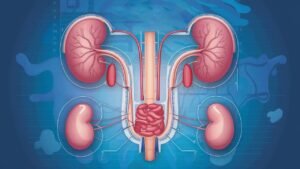
Urology is a medical and surgical specialty concerned with the urinary system and several aspects of the male reproductive system.
A urologist may evaluate conditions involving:
- Kidneys
- Ureters
- Urinary bladder
- Urethra
- Prostate
- Testes
- Male reproductive organs
- Urinary tract
A urological problem does not always require surgery. Depending on the diagnosis, treatment may involve medicines, hydration and lifestyle guidance, monitoring, minimally invasive procedures, or surgery.
A Urologist in Bhopal may also evaluate symptoms such as urinary frequency, urgency, painful urination, difficulty starting urine, weak urinary flow, recurrent urinary infections, kidney stone symptoms, or blood in the urine.
Early assessment can be useful because similar urinary symptoms can occur with different conditions. For example, frequent urination may be associated with infection, diabetes, bladder problems, prostate enlargement, or other causes.
Common Urinary and Kidney Problems
Several conditions can affect the urinary system. Some are more common in older adults, while others may occur at any age.
Common urological problems include:
- Kidney stones
- Urinary tract infections
- Enlarged prostate
- Prostatitis
- Urinary retention
- Overactive bladder
- Urinary incontinence
- Blood in the urine
- Recurrent urinary infections
- Certain kidney and bladder conditions
The presence of a urinary symptom does not automatically indicate a serious disease. However, persistent or recurrent symptoms should be appropriately evaluated rather than treated repeatedly without identifying the underlying cause.
Kidney Stones: Causes, Symptoms and Treatment
Kidney stones are hard deposits that can form inside the kidneys. They may remain in the kidney without causing symptoms or move into the urinary tract and produce significant pain.
Common symptoms may include:
- Severe pain in the side or back
- Pain that moves toward the lower abdomen or groin
- Blood in the urine
- Nausea or vomiting
- Burning during urination
- Frequent urination
- Difficulty passing urine
The symptoms can vary depending on the size and location of the stone.
A Kidney Stone Treatment in Bhopal evaluation may involve urine testing, blood investigations, ultrasound, CT imaging, or other tests depending on the clinical situation.
Small stones may sometimes pass naturally with appropriate medical guidance, while larger stones, persistent obstruction, severe symptoms, infection, or other complications may require a procedure.
Why Do Kidney Stones Develop?
Kidney stones can form when certain substances in the urine become concentrated and crystallise.
Factors that may contribute include:
- Low fluid intake
- Certain dietary patterns
- Family history
- Previous kidney stones
- Some medical conditions
- Certain medicines
- Changes in urinary composition
Not all kidney stones are made of the same material. Their composition can influence prevention strategies and future risk.
Adequate fluid intake is commonly important for reducing the concentration of stone-forming substances in the urine, although fluid requirements vary between individuals.
People who repeatedly develop kidney stones may benefit from discussing prevention strategies with a urological professional.
Urinary Tract Infections
A urinary tract infection, commonly called a UTI, can affect different parts of the urinary system. Symptoms may include:
- Burning during urination
- Frequent urination
- Urgency
- Lower abdominal discomfort
- Cloudy or strong-smelling urine
- Blood in the urine
- Fever in some cases
A Urinary Infection Treatment in Bhopal evaluation may involve urine testing to identify whether an infection is present and determine the appropriate treatment.
Not every urinary symptom is caused by a bacterial infection. Repeatedly taking antibiotics without proper evaluation can make it more difficult to determine the actual cause of recurring symptoms.
Fever, chills, pain in the side or back, vomiting, or feeling significantly unwell alongside urinary symptoms may require prompt medical assessment because infection involving the kidneys can be more serious.
Enlarged Prostate and Urinary Symptoms
The prostate is a gland located below the bladder in men. As some men age, the prostate may enlarge and affect the flow of urine.
Common symptoms can include:
- Difficulty starting urination
- Weak urine stream
- Frequent urination
- Urgency
- Getting up repeatedly at night to urinate
- Feeling that the bladder has not emptied completely
- Dribbling after urination
An enlarged prostate does not automatically mean prostate cancer. Different prostate conditions can produce similar urinary symptoms, so proper evaluation is important.
A Prostate Treatment in Bhopal assessment may include a medical history, physical examination, urine testing, blood tests, and other investigations depending on the patient’s symptoms and age.
Treatment varies from monitoring and medicines to procedures or surgery in selected cases.
Urinary Retention
Urinary retention means difficulty emptying the bladder completely or being unable to pass urine.
It may occur because of:
- Enlarged prostate
- Urethral narrowing
- Certain medicines
- Nerve-related problems
- Bladder dysfunction
- Stones
- Other urinary blockages
Acute urinary retention, where a person suddenly cannot pass urine despite having a full bladder, can require urgent medical attention.
A Urology Specialist in Bhopal can determine the likely cause and decide whether immediate bladder drainage, further investigations, medicines, or another treatment is required.
Overactive Bladder
Overactive bladder can cause a sudden urge to urinate, frequent urination, and sometimes leakage before reaching the toilet.
Symptoms may include:
- Urgency
- Frequent urination
- Night-time urination
- Urge-related urine leakage
These symptoms can affect sleep, work, travel, and daily activities.
Treatment depends on the cause and may include bladder training, lifestyle changes, pelvic-floor exercises, medicines, or other treatments in selected cases.
It is important to distinguish overactive bladder from urinary infection and other conditions because the treatment may be different.
Urinary Incontinence
Urinary incontinence refers to involuntary leakage of urine. It can occur in both men and women and may develop for different reasons.
Types can include:
- Stress incontinence
- Urge incontinence
- Overflow incontinence
- Mixed incontinence
Possible contributing factors include pregnancy and childbirth, pelvic-floor weakness, prostate-related problems, neurological conditions, bladder problems, and certain medications.
Urinary leakage should not simply be considered an unavoidable part of ageing. Medical assessment can help identify the type and possible cause and determine whether treatment is appropriate.
Blood in the Urine: When Should You Seek Medical Advice?
Blood in the urine, known medically as haematuria, can have several possible causes.
These may include:
- Urinary tract infection
- Kidney stones
- Prostate conditions
- Kidney disease
- Bladder conditions
- Certain urinary tract cancers
- Injury
- Other causes
Blood may be visible to the eye or detected only through laboratory testing.
Visible blood in the urine should be medically evaluated, particularly when it occurs without an obvious explanation. Even if the bleeding stops, it should not automatically be ignored.
The appropriate investigation depends on the patient’s age, symptoms, medical history, and risk factors.
How Are Urological Problems Diagnosed?
Diagnosis begins with a detailed medical history and physical examination. The doctor may ask about urinary symptoms, their duration, previous infections, medications, fluid intake, medical conditions, and previous urological problems.
Depending on the suspected condition, investigations may include:
Urine Tests
Urine testing can help identify infection, blood, protein, crystals, or other abnormalities.
Blood Tests
Blood tests may help assess kidney function, infection, inflammation, or other relevant health factors.
Ultrasound
Ultrasound can help evaluate the kidneys, bladder, prostate, urinary retention, and certain structural abnormalities.
CT Scan
CT imaging may be used for selected kidney stone cases and other urinary or abdominal conditions when detailed imaging is required.
Uroflowmetry
Uroflowmetry measures the rate and pattern of urine flow and may be useful when urinary obstruction or difficulty with urination is suspected.
Cystoscopy
Cystoscopy allows a doctor to examine the inside of the bladder and urethra using a specialised instrument. It may be recommended for selected patients with particular urinary symptoms or blood in the urine.
Not every patient needs every test. Investigations are selected according to the symptoms and suspected diagnosis.
What Does Best Urologists in Bhopal Care Involve?
The Best Urologists in Bhopal approach urological problems by identifying the underlying cause before selecting treatment. A urinary symptom should not automatically be treated with the same medicine or procedure in every patient.
Depending on the condition, treatment may involve:
- Medicines
- Increased or adjusted fluid intake when appropriate
- Dietary changes
- Bladder training
- Pelvic-floor exercises
- Antibiotics for confirmed or appropriately suspected infections
- Stone-removal procedures
- Catheterisation when medically required
- Endoscopic procedures
- Laparoscopic or minimally invasive surgery
- Open surgery in selected situations
The appropriate treatment depends on the diagnosis, severity, symptoms, age, medical history, and response to previous treatment.
Kidney Stone Procedures
When kidney stones do not pass naturally or cause obstruction, infection, persistent pain, or other complications, a procedure may be considered.
Possible approaches include:
- Extracorporeal shock wave lithotripsy
- Ureteroscopy
- Laser stone treatment
- Percutaneous nephrolithotomy for selected larger stones
- Other endoscopic procedures
The appropriate technique depends on the stone’s size, location, number, composition, urinary anatomy, and the patient’s overall health.
A Kidney Stone Specialist in Bhopal can review imaging reports and explain which treatment options may be suitable.
Prostate Evaluation and Treatment
Prostate-related urinary symptoms can have different causes. An enlarged prostate is common in ageing men, but urinary symptoms can also occur because of infection, inflammation, bladder problems, or other conditions.
Evaluation may involve:
- Medical history
- Urine testing
- Physical examination
- Prostate assessment
- Kidney function testing
- PSA testing when clinically appropriate
- Ultrasound
- Other investigations when required
Treatment may include observation, medicines, minimally invasive procedures, or surgery depending on the severity of symptoms and the underlying diagnosis.
A Urologist in Bhopal can help distinguish different causes of urinary symptoms and determine what type of evaluation may be required.
Male Urinary and Reproductive Health
Urology also includes several conditions affecting male reproductive health.
A urologist may evaluate:
- Erectile difficulties
- Male infertility
- Testicular pain
- Varicocele
- Hydrocele
- Prostate conditions
- Urinary symptoms
- Certain male reproductive conditions
Persistent testicular pain, swelling, a new lump, or sudden severe testicular pain should be evaluated promptly.
Sudden severe testicular pain can sometimes indicate testicular torsion, which is an emergency requiring immediate medical attention.
Kidney Health and Everyday Habits
The kidneys perform important functions, including filtering waste products from the blood and helping maintain fluid and electrolyte balance.
General habits that may support kidney and urinary health include:
- Drinking adequate fluids according to individual needs
- Maintaining healthy blood pressure
- Managing diabetes
- Staying physically active
- Avoiding unnecessary medicines
- Following prescribed treatment
- Not ignoring persistent urinary symptoms
People with kidney disease or other medical conditions may have different fluid or dietary requirements. In such situations, recommendations should be based on individual medical advice rather than general rules.

When Should You See a Urologist?
A urological evaluation may be appropriate if you experience:
- Repeated urinary infections
- Blood in the urine
- Kidney stone symptoms
- Difficulty passing urine
- Weak urinary stream
- Frequent night-time urination
- Persistent urinary urgency
- Urinary leakage
- Recurrent lower abdominal or flank pain
- A new testicular lump or swelling
- Persistent prostate-related symptoms
A Urology Specialist in Bhopal can determine whether the symptoms require testing, monitoring, medicines, a procedure, or another form of treatment.
Symptoms That May Require Urgent Medical Attention
Certain urinary symptoms should not be delayed.
Prompt medical attention may be required for:
- Sudden inability to pass urine
- Severe flank or abdominal pain
- Fever and chills with urinary symptoms
- Blood clots in the urine
- Severe vomiting with kidney stone symptoms
- Sudden severe testicular pain
- Significant injury to the urinary or genital area
The combination of infection and urinary obstruction can sometimes become serious. Similarly, sudden testicular pain requires urgent assessment because some causes are time-sensitive.
Choosing a Hospital for Urological Care
When considering the Best Urologists in Bhopal, patients may look at the overall availability of appropriate urological evaluation and treatment rather than focusing only on the name of a hospital or doctor.
Useful considerations can include:
- Availability of qualified urological professionals
- Appropriate diagnostic facilities
- Ultrasound and imaging support
- Laboratory investigations
- Endoscopic procedures when required
- Surgical facilities
- Emergency support
- Post-procedure monitoring
- Follow-up care
The appropriate facility depends on the type and severity of the urological problem.
Patients can bring previous urine reports, blood tests, ultrasound or CT reports, prescriptions, and details of previous urinary infections or procedures to their appointment.
How Can a Urologist Help?
A Urologist in Bhopal can assess urinary and kidney-related symptoms and determine whether the problem requires further testing or treatment.
During the consultation, the doctor may review:
- Current symptoms
- Duration and frequency of symptoms
- Previous urinary infections
- Kidney stone history
- Fluid intake
- Current medicines
- Diabetes or blood-pressure history
- Previous procedures
- Imaging reports
- Laboratory test results
Based on the findings, the urologist may recommend observation, medicines, additional investigations, minimally invasive treatment, or surgery.
A consultation does not necessarily mean that a procedure will be required. In many cases, the first step is simply to understand the cause of the symptoms.
Best Urologists in Bhopal at SYNERGY SUPERSPECIALITY HOSPITAL
For individuals searching for the Best Urologists in Bhopal, SYNERGY SUPERSPECIALITY HOSPITAL provides multidisciplinary medical care where patients can discuss urinary, kidney, prostate, and related health concerns with qualified healthcare professionals.
The hospital is located at 33–34, DRM Road, Sector 3D, Saket Nagar, Habib Ganj, Bhopal, Madhya Pradesh 462024.
Patients visiting for urological concerns can carry previous ultrasound or CT reports, urine and blood investigations, prescriptions, and details of previous treatment. This information can help the healthcare professional understand the history of the condition.
Depending on the diagnosis, urological evaluation may involve kidney stones, urinary infections, prostate-related symptoms, urinary obstruction, bladder problems, or other urinary and reproductive health concerns.
Why Early Attention Matters
Urinary and kidney problems can sometimes remain mild for a period before becoming more noticeable. Repeated burning during urination, recurring infections, blood in the urine, difficulty passing urine, or recurrent flank pain should not simply be ignored.
Early evaluation can help identify the cause and determine whether lifestyle measures, medicines, monitoring, further testing, or a procedure is appropriate.
For individuals looking for the Best Urologists in Bhopal, appropriate diagnosis is more important than assuming that every urinary symptom has the same cause. A structured evaluation can help guide treatment according to the individual’s symptoms, medical history, and investigation results.
Frequently Asked Questions About Urological Care in Bhopal
What do the Best Urologists in Bhopal treat?
The Best Urologists in Bhopal may evaluate conditions affecting the kidneys, ureters, bladder, urethra, prostate, and male reproductive system. Common concerns include kidney stones, urinary infections, prostate problems, urinary retention, and urinary leakage.
When should I consult a Urologist in Bhopal?
A Urologist in Bhopal may be consulted for persistent urinary symptoms, recurrent infections, kidney stone symptoms, blood in the urine, difficulty passing urine, weak urinary flow, urinary leakage, or prostate-related concerns.
What is included in Kidney Stone Treatment in Bhopal?
Kidney Stone Treatment in Bhopal depends on the size, location, and characteristics of the stone. Some stones may pass naturally, while others may require medicines, shock wave treatment, ureteroscopy, laser treatment, or another procedure.
How are urinary infections diagnosed?
Urinary Infection Treatment in Bhopal generally begins with identifying whether an infection is present. Depending on the symptoms, urine testing may be used to support diagnosis and guide appropriate treatment.
What are the symptoms of an enlarged prostate?
Prostate enlargement can cause weak urine flow, difficulty starting urination, frequent urination, urgency, night-time urination, incomplete bladder emptying, and post-urination dribbling.
What is included in Prostate Treatment in Bhopal?
Prostate Treatment in Bhopal depends on the underlying condition. Management may include monitoring, medicines, lifestyle measures, minimally invasive procedures, or surgery in selected cases.
When should I see a Urology Specialist in Bhopal?
A Urology Specialist in Bhopal may be appropriate when urinary symptoms persist, kidney stones recur, blood appears in the urine, urine flow becomes weak, or urinary problems interfere with daily activities.
Can kidney stones pass without surgery?
Some smaller kidney stones can pass naturally. The likelihood depends on factors such as stone size and location. Larger stones or stones causing obstruction, infection, persistent pain, or other complications may require a procedure.
What is Kidney Stone Specialist in Bhopal care?
A Kidney Stone Specialist in Bhopal can evaluate stone-related symptoms and imaging reports and determine whether observation, medical treatment, stone-removal procedures, or preventive measures may be appropriate.
Is blood in urine always caused by a urinary infection?
No. Blood in urine can have several causes, including infections, kidney stones, prostate conditions, kidney disease, bladder conditions, and other problems. Unexplained visible blood in urine should be medically evaluated.
Is frequent urination always a prostate problem?
No. Frequent urination can occur because of urinary infections, overactive bladder, diabetes, increased fluid intake, prostate enlargement, certain medicines, or other conditions. Evaluation can help identify the underlying cause.
Can urinary problems be treated without surgery?
Yes. Many urinary conditions can initially be managed with medicines, lifestyle measures, bladder training, monitoring, or other non-surgical approaches. Surgery or procedures are considered when medically appropriate.
When is urinary retention an emergency?
Sudden inability to pass urine can require urgent medical attention, particularly when the bladder feels full or painful. Urinary retention can have several causes and may require immediate bladder drainage and further evaluation.
Where can I find the Best Urologists in Bhopal?
People looking for the Best Urologists in Bhopal can consider a facility with appropriate urological evaluation, diagnostic support, minimally invasive procedures, surgical facilities, and follow-up care according to individual medical needs.
Conclusion – Urological Care in Bhopal
Urinary and kidney problems can range from temporary infections and small kidney stones to prostate conditions, urinary obstruction, bladder problems, and other conditions requiring specialist assessment. Symptoms such as burning urination, frequent urination, blood in the urine, flank pain, weak urinary flow, or difficulty passing urine should be understood in the context of the individual’s overall health.
The Best Urologists in Bhopal approach urological care by identifying the underlying cause before selecting treatment. Depending on the diagnosis, management may involve medicines, lifestyle changes, monitoring, minimally invasive procedures, or surgery.
When choosing urological care, patients can consider access to qualified professionals, appropriate diagnostic facilities, endoscopic and minimally invasive treatment options when indicated, surgical support, and follow-up care.
If urinary symptoms are persistent, recurrent, severe, or affecting everyday life, discussing them with a qualified urological professional can help determine whether further evaluation or treatment is appropriate. Timely assessment can also be important when symptoms such as sudden urinary retention, severe flank pain, fever with urinary symptoms, visible blood in the urine, or sudden severe testicular pain occur