PCOD Treatment in Bhopal
- Home
- PCOD Treatment in Bhopal
Polycystic Ovary Disease, commonly referred to as PCOD, is a hormonal condition that can affect menstrual cycles, ovulation, weight, skin and reproductive health. Women may experience irregular periods, acne, unwanted facial or body hair, difficulty with weight management or problems with conception. However, symptoms can vary considerably from one person to another.
At Synergy Super Speciality Hospital, PCOD Treatment in Bhopal begins with understanding the patient’s symptoms, menstrual history, medical background and reproductive goals. Depending on the individual situation, evaluation may include blood tests, hormonal investigations, ultrasound and other assessments. Treatment is then planned according to the symptoms and health concerns identified during evaluation.
What Can Contribute to PCOD?
The exact cause of PCOD is not fully understood. Hormonal factors, genetics, insulin resistance and other metabolic factors may contribute to its development.
A family history of PCOD or PCOS may increase the likelihood of developing similar hormonal problems. Insulin resistance may also influence hormone levels and ovulation in some women.
PCOD is not simply caused by being overweight. Women with different body types can experience hormonal and reproductive symptoms. Weight changes may influence symptoms in some individuals, but diagnosis requires proper clinical assessment.
For women seeking PCOD Treatment in Bhopal, understanding these underlying factors can help determine which aspects of health need attention.
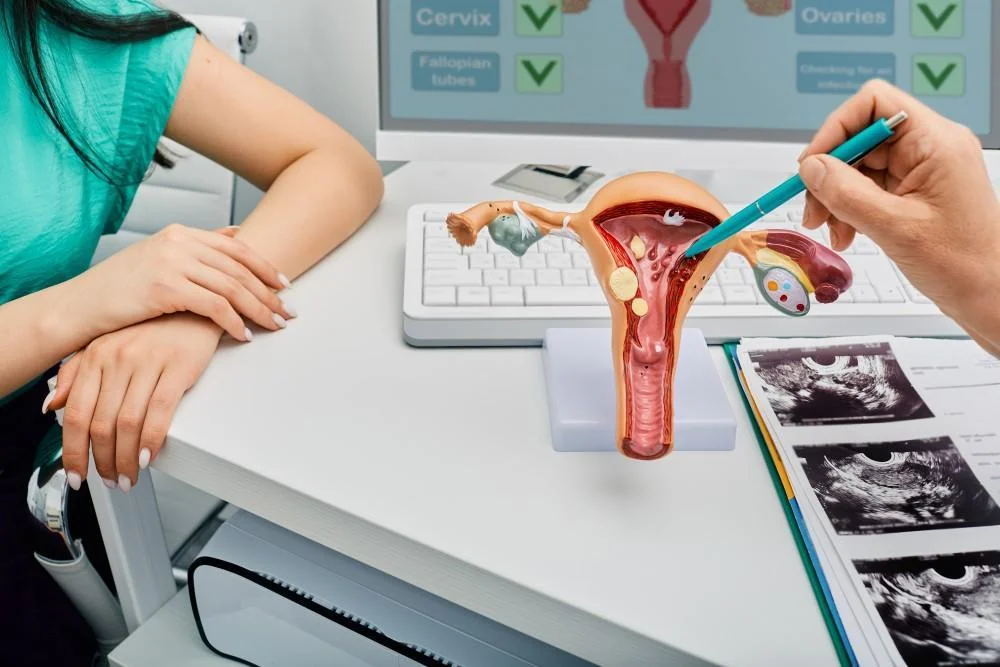
Common PCOD Symptoms Women Should Know
PCOD symptoms can develop gradually and may differ from woman to woman. Common symptoms include:
- Irregular or delayed periods
- Infrequent or absent periods
- Heavy menstrual bleeding in some cases
- Acne and oily skin
- Increased facial or body hair
- Hair thinning on the scalp
- Difficulty managing weight
- Difficulty with ovulation
- Problems with conception in some women
Having one or more of these symptoms does not automatically mean that a woman has PCOD. Similar symptoms may occur with thyroid disorders, elevated prolactin levels and other hormonal conditions.
A PCOD Doctor in Bhopal can evaluate the complete symptom pattern and determine whether further investigation is required.
What Can Contribute to PCOD?
The exact cause of PCOD is not fully understood. Hormonal factors, genetics, insulin resistance and other metabolic factors may contribute to its development.
A family history of PCOD or PCOS may increase the likelihood of developing similar hormonal problems. Insulin resistance may also influence hormone levels and ovulation in some women.
PCOD is not simply caused by being overweight. Women with different body types can experience hormonal and reproductive symptoms. Weight changes may influence symptoms in some individuals, but diagnosis requires proper clinical assessment.
For women seeking PCOD Treatment in Bhopal, understanding these underlying factors can help determine which aspects of health need attention.
How PCOD Is Diagnosed by a Gynecologist
There is no single test that confirms PCOD in every patient. Diagnosis generally involves a combination of medical history, symptoms, physical examination and appropriate investigations.
A Gynecologist in Bhopal may ask about the timing and frequency of periods, previous pregnancies, changes in weight, acne, hair growth, medications and family history. Blood tests may be used to assess hormones and rule out other possible causes of irregular periods.
An ultrasound may also be recommended to examine the ovaries and uterus when clinically appropriate. Importantly, the appearance of polycystic ovaries on an ultrasound does not by itself establish a diagnosis of PCOS.
What to Expect During a PCOD Evaluation
During an evaluation, the doctor first understands the patient’s concerns and medical history. Menstrual patterns are particularly important because irregular ovulation is one of the common features associated with PCOD.
Depending on symptoms, the evaluation may include:
- Menstrual and reproductive history
- Physical examination
- Hormonal blood tests
- Blood glucose assessment
- Metabolic health evaluation
- Pelvic ultrasound when appropriate
- Other investigations to rule out similar conditions
A Gynecologist Doctor in Bhopal may also consider whether the woman is currently planning pregnancy, as treatment priorities can differ depending on reproductive goals.
PCOD Treatment Options for Different Symptoms
There is no single treatment suitable for every woman. PCOD Treatment in Bhopal depends on the symptoms, age, medical history, reproductive plans and associated health concerns.
Treatment may focus on regulating periods, managing hormonal symptoms, supporting ovulation, improving metabolic health or addressing skin and hair-related concerns.
For women who are not currently planning pregnancy, treatment may focus on menstrual regulation and management of hormonal symptoms. Women planning pregnancy may require an approach focused on ovulation and fertility.
A PCOD Treatment Specialist in Bhopal can help determine which options are appropriate based on the individual clinical situation.
The Role of Diet, Exercise and Daily Habits
Lifestyle management is an important part of PCOD care. It does not mean following an extreme diet or trying to lose weight rapidly. Instead, sustainable habits can support metabolic health and may help improve some PCOD-related symptoms.
Regular physical activity, balanced meals, adequate sleep and stress management can all contribute to general health. For women who are overweight, even modest weight reduction may improve some reproductive and metabolic outcomes.
However, not every woman with PCOD needs to lose weight. Women with a healthy body weight can also experience PCOD and may benefit from appropriate nutrition and physical activity.
During PCOD Treatment in Bhopal, lifestyle recommendations should be tailored to the individual’s health requirements.
Managing Irregular Periods and Hormonal Changes
Irregular periods are one of the common concerns associated with PCOD. Long gaps between periods may require attention because prolonged absence of ovulation can affect the lining of the uterus.
Depending on the patient’s age, symptoms and reproductive plans, the doctor may recommend medicines to regulate menstrual cycles or protect the uterine lining.
Hormonal symptoms such as acne, excessive hair growth or scalp hair thinning may also require separate treatment. The choice of treatment depends on the cause, severity and individual medical history.
A Women’s Health Specialist in Bhopal can assess these concerns as part of a broader women’s healthcare plan.
PCOD and Fertility: What Women Should Know
PCOD can affect fertility because irregular ovulation may reduce the frequency with which an egg is released. However, having PCOD does not mean that pregnancy is impossible.
Many women with PCOD become pregnant, either naturally or with appropriate medical support when ovulation is irregular.
Women planning pregnancy may require an assessment of menstrual cycles, ovulation and other fertility factors. If conception does not occur, fertility evaluation should consider both partners because factors unrelated to PCOD can also affect pregnancy.
A PCOD Specialist in Bhopal can help determine whether irregular ovulation may be contributing to difficulty conceiving and whether additional fertility evaluation is required.
When to Consult a PCOD Specialist in Bhopal
Medical evaluation may be appropriate when periods are consistently irregular, absent for long periods or accompanied by symptoms such as excessive hair growth, acne or unexplained weight changes.
Women planning pregnancy may also benefit from an evaluation if they have a history of irregular cycles or known PCOD.
A PCOD Specialist in Bhopal can help distinguish PCOD-related symptoms from other hormonal or gynecological conditions and recommend appropriate investigations.
If symptoms change significantly or new problems develop, existing treatment may also need to be reviewed.
Gynecology Services for PCOD and Women's Health
PCOD symptoms can sometimes overlap with other gynecological conditions. Irregular periods, pelvic discomfort or abnormal bleeding may have multiple possible causes and should therefore be evaluated appropriately.
The hospital provides women’s healthcare services for menstrual problems, hormonal concerns, reproductive health, fibroids, ovarian cysts and pregnancy-related conditions.
For patients looking for a Gynecology Hospital in Bhopal, access to appropriate diagnostic services can support the evaluation process before treatment is selected.
A Gynecologist in Bhopal can also assess whether symptoms may be related to another condition rather than PCOD.
Gynecological Care for Women in Bhopal
Synergy Super Speciality Hospital is located at 33-34, DRM Road, Sector 3D, Saket Nagar, Habib Ganj, Bhopal, Madhya Pradesh 462024.
The hospital is accessible to women from Saket Nagar, Habib Ganj, DRM Road, Sector 3D, Shakti Nagar and surrounding areas.
Women searching for PCOD Treatment in Bhopal can seek evaluation according to their menstrual, hormonal and reproductive health requirements.
For broader women’s healthcare concerns, a Women’s Health Specialist in Bhopal can evaluate symptoms and determine whether gynecological investigations or treatment may be appropriate.
Why Choose Us for PCOD Treatment?
PCOD can involve menstrual, hormonal, reproductive and metabolic concerns at the same time. For this reason, women’s healthcare may require more than simply treating irregular periods. At Synergy Super Speciality Hospital, PCOD Treatment in Bhopal is approached according to the patient’s individual symptoms and clinical requirements.
Individualised Evaluation
The patient's menstrual history, symptoms, medical conditions and reproductive plans are considered during evaluation.
Diagnostic Support
When necessary, hormonal tests, blood investigations and ultrasound can help assess the possible causes of menstrual and reproductive concerns.
Women's Health Services
The hospital provides gynecological care for menstrual problems, PCOD, hormonal concerns, fibroids, ovarian cysts and pregnancy-related conditions.
Fertility-Focused Care
Women planning pregnancy can receive evaluation focused on ovulation and other factors that may influence conception.
About Dr. Swati Deshwali
Dr. Swati Deshwali is an Obstetrician-Gynecologist with MBBS and DGO qualifications. Her listed areas of women's healthcare include PCOD, fibroids, irregular periods and high-risk pregnancy care.Women seeking a PCOD Doctor in Bhopal can undergo evaluation for menstrual irregularities, hormonal concerns and reproductive health based on their individual requirements.The appropriate treatment depends on the diagnosis, symptoms and health goals of the patient.

Call us today to make an appointment and start feeling better!
Frequently Asked Questions About PCOS
There is no single known cause of PCOD. Genetics, hormonal changes, insulin resistance and other metabolic factors may contribute. The condition can vary significantly between individuals.
Yes. PCOD may affect ovulation and make conception more difficult for some women, but it does not mean pregnancy is impossible. Appropriate evaluation can help identify whether irregular ovulation is affecting fertility.
PCOD may affect menstrual cycles and ovulation. Some women may also experience acne, increased facial or body hair, scalp hair thinning, weight-management difficulties or fertility concerns.
The terms PCOD and PCOS are often used interchangeably in everyday healthcare discussions, but they are not always used in exactly the same way. PCOS, or polycystic ovary syndrome, is a recognised hormonal and metabolic syndrome with specific diagnostic features. A doctor should evaluate symptoms and investigations rather than relying only on the terminology.
The cost of PCOD Treatment in Bhopal varies because treatment depends on the patient’s symptoms, investigations, medicines and whether fertility-related care is required. A consultation and appropriate evaluation are needed before an individual treatment cost can be determined.
PCOD is generally evaluated and managed by a gynecologist. Depending on the symptoms, a PCOD Doctor in Bhopal may assess menstrual, hormonal and reproductive concerns and recommend appropriate investigations or treatment.
PCOD management may involve regular physical activity, balanced nutrition, adequate sleep, stress management, medicines when required and treatment of specific symptoms. The approach should be individualised rather than based on a single remedy.
No. The presence of polycystic-appearing ovaries is not by itself enough to diagnose PCOS. Diagnosis depends on the overall clinical picture and appropriate evaluation.
Consider medical evaluation if periods are persistently irregular, absent for long periods, unusually heavy or associated with acne, excess hair growth, fertility concerns or other hormonal symptoms.