PMOS Treatment in Bhopal
- Home
- PMOS Treatment in Bhopal
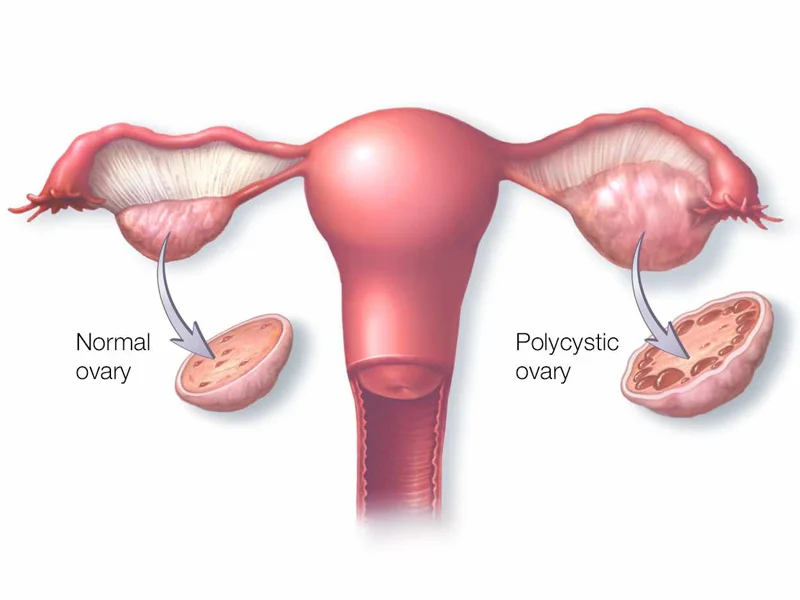
Polyendocrine Metabolic Ovarian Syndrome (PMOS) is the new name for the condition previously known as Polycystic Ovary Syndrome (PCOS). The terminology is being introduced internationally during a transition period, so many patients may still see the term PCOS in medical records and online information. PMOS can affect menstrual cycles, ovulation, androgen-related symptoms, fertility and metabolic health.
At Synergy Super Speciality Hospital, PMOS care focuses on understanding the individual pattern of symptoms rather than treating every patient in the same way. A PMOS Doctor in Bhopal may assess menstrual history, hormonal symptoms, weight changes, metabolic health and pregnancy plans before suggesting appropriate investigations or treatment.
Understanding PMOS and Its Impact on Women's Health
PMOS is a complex hormonal and metabolic condition that can develop after puberty and may continue to affect women during their reproductive years. Symptoms can vary considerably from one person to another. Some women primarily experience irregular periods, while others may notice acne, excess facial or body hair, weight-related concerns or difficulty conceiving.
The term PMOS reflects the fact that the condition involves more than the ovaries. Hormonal activity, insulin response, ovulation and metabolic health can all be relevant. A PMOS Specialist in Bhopal can evaluate these different aspects when developing a management plan.
Common Symptoms That May Be Linked With PMOS
PMOS does not look exactly the same in every woman. Common symptoms may include:
- Irregular or infrequent menstrual periods
- Very heavy or prolonged periods
- Difficulty predicting ovulation
- Acne or oily skin
- Increased facial or body hair
- Hair thinning from the scalp
- Weight gain or difficulty managing weight
- Darkened, thickened skin in certain areas
- Difficulty becoming pregnant
Not every woman will experience all of these symptoms. A Gynecologist in Bhopal can consider the overall clinical picture rather than relying on one symptom alone.
What Causes PMOS and Hormonal Changes?
There is no single confirmed cause of PMOS. Genetic factors, insulin resistance and increased androgen activity may contribute to the development of the condition. Family history can also be relevant.
Insulin resistance means the body’s cells may not respond normally to insulin. The body may then produce more insulin, which can influence androgen activity and ovulation. These hormonal and metabolic changes may contribute to irregular menstrual cycles and other symptoms.
A Gynecologist Doctor in Bhopal may therefore look beyond menstrual symptoms and consider metabolic factors as part of the overall assessment.
How PMOS Is Diagnosed
There is no single blood test that confirms PMOS. Diagnosis generally involves reviewing symptoms, menstrual history and medical history along with appropriate examination and investigations.
Depending on the individual situation, assessment may include:
- Menstrual and reproductive history
- Physical examination
- Hormonal blood tests
- Blood glucose or metabolic testing
- Cholesterol and triglyceride testing
- Pelvic or transvaginal ultrasound when appropriate
An ultrasound may show multiple follicles in some women, but ovarian cysts are not required for a PMOS diagnosis.
What to Expect During a PMOS Evaluation
During an appointment, a Women’s Health Specialist in Bhopal may ask about your menstrual cycle, changes in weight, acne, hair growth, previous treatments and pregnancy plans.
It can be useful to maintain a record of:
- The dates and duration of your periods
- Changes in menstrual flow
- New or worsening acne
- Changes in facial or body hair
- Weight changes
- Current medicines and supplements
- Previous hormonal or fertility treatments
This information can help the doctor understand the pattern of symptoms and decide which investigations may be relevant.
PMOS Treatment Options for Different Symptoms
There is currently no single treatment that permanently cures PMOS. Instead, PMOS Treatment in Bhopal generally focuses on controlling symptoms, supporting reproductive goals and reducing longer-term health risks.
Treatment may involve lifestyle measures, medicines or a combination of approaches. The choice depends on symptoms, metabolic health and whether pregnancy is currently planned.
For irregular periods, hormonal contraceptives or progestogen-based treatment may be considered for some patients. Metabolic concerns may require nutritional and physical-activity support and, in selected cases, medicines such as metformin.
Women experiencing acne or excess hair may need treatments specifically directed toward these symptoms. Treatment should be selected according to individual medical circumstances rather than based on a general PMOS prescription.
Lifestyle Changes That Can Support PMOS Management
Lifestyle management can be an important part of PMOS Treatment in Bhopal, particularly when insulin resistance, overweight or other metabolic concerns are present.
Helpful measures may include:
- Regular physical activity
- Balanced meals with appropriate portions
- Adequate sleep
- Limiting highly processed foods and excess added sugar
- Maintaining a healthy weight where appropriate
- Following recommended metabolic screening
Even modest weight reduction may improve some PMOS-related symptoms in women who are overweight or have obesity. However, PMOS can also occur in women who are not overweight, so treatment should never be based on weight alone.
Managing Irregular Periods and Hormonal Symptoms
Irregular periods are one of the common concerns associated with PMOS. Long gaps between periods should not simply be ignored, particularly when they occur repeatedly.
A PMOS Treatment Specialist in Bhopal may recommend treatment to regulate menstrual bleeding depending on the cause, duration of irregularity and pregnancy plans. Acne, unwanted hair growth and scalp hair thinning may also require separate management.
Regular follow-up can help assess whether symptoms are improving and whether the treatment approach needs adjustment.
PMOS and Fertility: What Women Should Know
PMOS can interfere with regular ovulation and may therefore make conception more difficult for some women. However, a PMOS diagnosis does not mean that pregnancy is impossible. Many women with PMOS become pregnant, either naturally or with appropriate fertility support.
If pregnancy is desired, treatment may focus on restoring or supporting ovulation and addressing other factors that could affect fertility. A PMOS Doctor in Bhopal can discuss available options according to age, menstrual pattern, fertility history and other health factors.
If pregnancy is not currently planned, contraception may still be recommended because irregular ovulation does not completely eliminate the possibility of pregnancy.
PMOS and Its Connection With Metabolic Health
PMOS can be associated with insulin resistance and a higher risk of certain metabolic conditions, including type 2 diabetes and abnormal cholesterol levels. Some women may also have elevated blood pressure or other related health concerns.
This is why PMOS Treatment in Bhopal may include more than managing periods or fertility. Depending on individual risk factors, a PMOS Specialist in Bhopal may recommend monitoring blood glucose, blood pressure and lipid levels.
The goal is to identify concerns early and manage them alongside reproductive and hormonal symptoms.
When Should You See a PMOS Specialist in Bhopal?
Consider a medical evaluation if you have:
- Periods that are consistently irregular
- No periods for several months
- Persistent acne with menstrual changes
- Excess facial or body hair
- Unexplained changes in weight
- Difficulty becoming pregnant
- Signs that may suggest insulin resistance
- Previously diagnosed PCOS/PMOS requiring ongoing management
A Gynecologist in Bhopal can assess whether these symptoms are related to PMOS or another hormonal or reproductive condition.
About Dr. Swati Deshwali
Dr. Swati Deshwali is an Obstetrician-Gynecologist at Synergy Super Speciality Hospital, Bhopal. She holds MBBS and DGO qualifications and provides women's healthcare services, including care related to PCOS/PMOS, fibroids, irregular periods and pregnancy-related concerns.Women seeking a Gynecologist Doctor in Bhopal for menstrual or hormonal concerns can discuss their symptoms and health goals during a gynecological evaluation.

Call us today to make an appointment and start feeling better!
Frequently Asked Questions About PCOS
PMOS stands for Polyendocrine Metabolic Ovarian Syndrome. It is the new name for the condition previously called Polycystic Ovary Syndrome or PCOS. The new terminology emphasizes the hormonal, metabolic and reproductive aspects of the condition.
Common symptoms include irregular periods, difficulty with ovulation, acne, excess facial or body hair and scalp hair thinning. Weight or metabolic changes can also occur. Symptoms vary between individuals.
The name was changed to better represent the fact that the condition can affect hormonal, metabolic and reproductive health rather than being limited to the appearance or structure of the ovaries. The new terminology is being introduced internationally over a transition period.
PMOS can affect ovulation and menstrual cycles and may be associated with increased androgen activity and insulin resistance. It can also affect fertility and increase the risk of certain metabolic health problems.
PMOS is the new name for PCOS. PCOD is a term commonly used in public and clinical discussions, but terminology can vary. A doctor should evaluate the actual symptoms and diagnostic findings rather than relying only on the label.
There is no universally accepted medical classification that defines exactly four official types of PMOS. Different clinical patterns or phenotypes can occur depending on menstrual, androgen and metabolic features.
PMOS is the new name for PCOS, not a direct renaming of every use of the term PCOD. If you have previously been told you have PCOD, a gynecological evaluation can clarify how your symptoms and previous diagnosis relate to current PMOS terminology.
Yes. PMOS can make ovulation less predictable and may make conception more difficult for some women, but pregnancy is possible. Fertility treatment can be considered when needed.
A gynecologist commonly evaluates and manages PMOS. Depending on symptoms, an endocrinologist or fertility specialist may also be involved.
Management depends on the symptoms and health goals of each woman. It may include lifestyle changes, menstrual-cycle management, treatment for androgen-related symptoms, metabolic management and fertility treatment when required.
There is currently no cure for PMOS, but treatment can control symptoms and help reduce associated long-term health risks. Management can also change as reproductive and health goals change.