
Kidney Disease Treatment in Bhopal plays a vital role in preserving kidney function, preventing complications, and improving overall health. The kidneys are two bean-shaped organs responsible for filtering waste products, excess fluids, and toxins from the blood while maintaining electrolyte balance, regulating blood pressure, supporting healthy red blood cell production, and keeping the body’s internal environment stable. When the kidneys become damaged or gradually lose their ability to function properly, harmful waste products begin to accumulate in the bloodstream, increasing the risk of serious health complications. Early diagnosis and timely medical intervention can significantly slow disease progression and improve long-term quality of life.
Kidney disease often develops silently, especially during its early stages, and many people may not notice symptoms until significant kidney damage has already occurred. Medical conditions such as diabetes, high blood pressure, recurrent kidney infections, kidney stones, autoimmune diseases, obesity, and certain inherited disorders are among the leading causes of kidney damage. Recognizing the early warning signs and seeking professional Kidney Disease Treatment in Bhopal can help preserve kidney function, reduce complications, and delay or even prevent the need for dialysis or kidney transplantation.
Synergy Super Speciality Hospital, recognized as one of the Best Hospitals in Bhopal, offers comprehensive Kidney Disease Treatment in Bhopal through experienced nephrologists, advanced diagnostic technology, modern infrastructure, and patient-centered care. Established in 2024, the hospital has become a trusted Nephrology Hospital in Bhopal, providing evidence-based treatment for a wide range of kidney disorders while focusing on personalized care and long-term kidney health.
What Is Kidney Disease? Kidney Disease Treatment in Bhopal Explained
Kidney disease refers to a group of medical conditions in which the kidneys gradually lose their ability to perform essential functions effectively. Healthy kidneys continuously remove waste products, maintain the body’s fluid balance, regulate minerals such as sodium and potassium, control blood pressure, and produce hormones that support healthy bones and red blood cell production.
When kidney function declines, waste products and excess fluids remain in the bloodstream instead of being removed through urine. As kidney damage progresses, it can affect multiple organs and increase the risk of complications such as high blood pressure, anemia, bone disorders, heart disease, and kidney failure.
Seeking timely evaluation from an experienced Kidney Specialist in Bhopal allows early detection of kidney disease and helps begin appropriate treatment before permanent kidney damage occurs.

What Are the Different Types of Kidney Disease?
Kidney disease includes several different conditions, each affecting kidney function in a unique way. Understanding these conditions helps patients recognize the importance of early diagnosis and proper treatment.
Chronic Kidney Disease (CKD)
Chronic Kidney Disease (CKD) develops gradually over several months or years. It is one of the most common reasons patients seek Kidney Disease Treatment in Bhopal. Diabetes, high blood pressure, and long-standing kidney damage are the leading causes of CKD. Although the condition cannot usually be reversed, early treatment can slow its progression and preserve kidney function.
Acute Kidney Injury (AKI)
Acute Kidney Injury develops suddenly, often within hours or days. It may occur due to severe dehydration, serious infections, reduced blood flow to the kidneys, certain medications, or major illnesses. Unlike CKD, AKI can often be reversed if diagnosed and treated promptly.
Glomerular Diseases
These disorders affect the tiny filtering units inside the kidneys, known as glomeruli. Inflammation or damage to these filters reduces the kidneys’ ability to remove waste products efficiently, leading to protein loss in urine and declining kidney function.
Polycystic Kidney Disease
Polycystic Kidney Disease is an inherited condition in which numerous fluid-filled cysts develop inside the kidneys. Over time, these cysts enlarge and gradually reduce normal kidney function.
Kidney Infections
Untreated urinary tract infections can spread to the kidneys and cause serious inflammation. Recurrent kidney infections may result in permanent kidney damage if appropriate treatment is delayed.
What Causes Kidney Disease?
Kidney disease develops due to a combination of medical conditions, genetic factors, infections, and unhealthy lifestyle habits. Identifying these causes early helps reduce the risk of permanent kidney damage.
Can Diabetes Cause Kidney Disease?
Yes. Diabetes is one of the leading causes of Chronic Kidney Disease worldwide. Persistently high blood sugar damages the small blood vessels inside the kidneys, reducing their ability to filter waste products efficiently. Proper blood sugar control significantly lowers the risk of diabetic kidney disease.
Does High Blood Pressure Affect Kidney Function?
Yes. High blood pressure gradually damages the delicate blood vessels inside the kidneys, making it difficult for them to perform their normal filtering function. Regular blood pressure monitoring and appropriate treatment are essential for protecting kidney health.
Can Kidney Stones Increase the Risk of Kidney Disease?
Repeated kidney stones or untreated urinary obstruction can interfere with normal kidney function and increase the risk of infections, inflammation, and long-term kidney damage. Early treatment helps prevent these complications.
Can Infections Damage the Kidneys?
Yes. Recurrent kidney infections or severe urinary tract infections can cause inflammation and scarring within the kidneys. Without timely treatment, these infections may gradually reduce kidney function.
Other Causes of Kidney Disease
Several additional factors may increase the risk of developing kidney disease, including:
- Autoimmune diseases
- Genetic kidney disorders
- Long-term use of certain medications
- Obesity
- Smoking
- Heart disease
- Excessive use of painkillers
- Severe dehydration
- Advanced age
- Family history of kidney disease
An experienced Kidney Specialist in Bhopal can identify these risk factors and recommend preventive strategies to protect kidney health.
What Are the Symptoms of Kidney Disease?
The symptoms of kidney disease often develop gradually and may remain unnoticed during the early stages. As kidney function declines, waste products begin to accumulate in the body, leading to a wide range of symptoms.
Common symptoms include:
- Swelling of the feet and ankles
- Puffiness around the eyes
- Persistent fatigue
- Loss of appetite
- Nausea and vomiting
- Frequent urination, especially at night
- Blood in the urine
- Foamy urine
- High blood pressure
- Muscle cramps
- Dry and itchy skin
- Difficulty concentrating
Because early kidney disease may not cause obvious symptoms, regular kidney health screening is particularly important for individuals with diabetes, hypertension, obesity, or a family history of kidney disease.
What Are the Early Warning Signs of Kidney Disease You Should Never Ignore?
Early diagnosis is one of the most effective ways to prevent kidney failure and preserve long-term kidney function. You should consult an experienced Nephrologist in Bhopal if you notice any of the following warning signs:
- Persistent swelling of the legs, ankles, or face
- Changes in urination pattern
- Blood in the urine
- Foamy urine
- Persistent tiredness or weakness
- High blood pressure that is difficult to control
- Recurrent urinary tract infections
- Unexplained nausea or vomiting
- Loss of appetite
- Persistent lower back or flank pain
Ignoring these symptoms may allow kidney disease to progress silently, increasing the risk of permanent kidney damage and more complex treatment in the future.
Who Is at Higher Risk of Developing Kidney Disease?
Certain individuals have a greater chance of developing kidney disease due to underlying medical conditions, genetics, or lifestyle factors. Identifying these risk factors early allows timely screening and appropriate Kidney Disease Treatment in Bhopal, reducing the risk of long-term complications.
People at higher risk include:
- Individuals with diabetes
- People with high blood pressure (hypertension)
- Older adults
- Patients with heart disease
- Individuals who are overweight or obese
- Smokers
- People with autoimmune disorders
- Individuals with a family history of kidney disease
- Patients with recurrent kidney stones
- People taking certain medications for prolonged periods
Regular kidney function screening is especially important for these high-risk groups, as early kidney disease often develops without noticeable symptoms.
When Should You Consult a Kidney Specialist in Bhopal?
Many people delay seeking medical attention because kidney disease may not cause pain or obvious symptoms during its early stages. However, early consultation with a Kidney Specialist in Bhopal can help diagnose kidney problems before they progress to advanced stages.
You should seek medical evaluation if you experience:
- Persistent swelling despite treatment
- Uncontrolled high blood pressure
- Protein or blood detected in urine tests
- Abnormal kidney function test results
- Diabetes or hypertension affecting kidney health
- Recurrent urinary tract or kidney infections
- Frequent kidney stones
- Persistent urinary symptoms despite medication
Visiting a trusted Nephrology Hospital in Bhopal at the right time helps preserve kidney function, manage underlying conditions, and reduce the risk of kidney failure.
How Is Kidney Disease Diagnosed?
Accurate diagnosis is essential to determine the severity of kidney disease and identify its underlying cause. A comprehensive evaluation helps nephrologists develop an individualized treatment plan.
Medical History
The doctor reviews:
- Present symptoms
- Diabetes or hypertension history
- Previous kidney problems
- Current medications
- Family history of kidney disease
- Lifestyle habits
Physical Examination
A detailed examination includes:
- Blood pressure measurement
- Assessment of swelling
- Hydration status
- Weight evaluation
- General physical health
Laboratory Investigations
Several laboratory tests help evaluate kidney function, including:
- Kidney Function Test (KFT)
- Serum Creatinine
- Blood Urea Nitrogen (BUN)
- Estimated Glomerular Filtration Rate (eGFR)
- Urine Routine Examination
- Urine Protein Test
- Blood Sugar Levels
Imaging Studies
Imaging helps assess the size, structure, and condition of the kidneys.
Common investigations include:
- Kidney Ultrasound
- CT Scan (when required)
- MRI (selected cases)
Kidney Biopsy
In certain patients, a kidney biopsy may be recommended to determine the exact cause of kidney damage and guide further treatment.
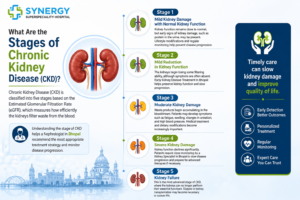
What Are the Stages of Chronic Kidney Disease (CKD)?
Chronic Kidney Disease (CKD) is classified into five stages based on the Estimated Glomerular Filtration Rate (eGFR), which measures how efficiently the kidneys filter waste from the blood.
Understanding the stage of CKD helps a Nephrologist in Bhopal recommend the most appropriate treatment strategy and monitor disease progression.
Stage 1: Mild Kidney Damage with Normal Kidney Function
Kidney function remains close to normal, but early signs of kidney damage, such as protein in the urine, may be present. Lifestyle modifications and regular monitoring help prevent disease progression.
Stage 2: Mild Reduction in Kidney Function
The kidneys begin losing some filtering ability, although symptoms are often absent. Early Kidney Disease Treatment in Bhopal helps preserve kidney function and slow progression.
Stage 3: Moderate Kidney Damage
Waste products begin accumulating in the bloodstream. Patients may develop symptoms such as fatigue, swelling, changes in urination, and high blood pressure. Medical treatment and dietary modifications become increasingly important.
Stage 4: Severe Kidney Damage
Kidney function declines significantly. Patients require close monitoring by a Kidney Specialist in Bhopal to slow disease progression and prepare for advanced therapies if necessary.
Stage 5: Kidney Failure
This is the most advanced stage of CKD, where the kidneys can no longer perform their essential functions. Dialysis or kidney transplantation may become necessary to sustain life.
What Are the Treatment Options for Kidney Disease?
The treatment of kidney disease depends on its cause, stage, and the patient’s overall health. The primary goals are to preserve kidney function, relieve symptoms, prevent complications, and improve quality of life.
Medications
Doctors may prescribe medications to:
- Control high blood pressure
- Manage diabetes
- Reduce protein loss in urine
- Treat anemia
- Correct electrolyte imbalances
- Reduce swelling
- Protect remaining kidney function
Regular follow-up appointments help monitor treatment response and make necessary adjustments.
Lifestyle Modifications for Better Kidney Health
Healthy lifestyle habits play an important role in slowing kidney disease progression and improving overall health.
Patients are encouraged to:
- Follow a kidney-friendly diet
- Reduce salt intake
- Maintain healthy blood sugar levels
- Control blood pressure
- Drink fluids as advised by the doctor
- Exercise regularly
- Stop smoking
- Avoid excessive alcohol consumption
- Maintain a healthy body weight
- Avoid unnecessary painkillers and self-medication
These lifestyle measures complement Kidney Disease Treatment in Bhopal and help preserve kidney function for a longer period.
Dialysis for Advanced Kidney Disease
Dialysis is recommended when the kidneys are no longer able to remove waste products and excess fluid effectively.
There are two primary types of dialysis:
Hemodialysis
During hemodialysis, blood is filtered through a dialysis machine that removes waste products, toxins, and excess fluid before returning the cleaned blood to the body.
Peritoneal Dialysis
Peritoneal dialysis uses the lining of the abdomen (peritoneum) as a natural filter to remove waste products and extra fluid from the blood.
The choice between these dialysis methods depends on the patient’s medical condition, lifestyle, and recommendations from the treating nephrologist.
Kidney Transplant: A Long-Term Treatment Option
For selected patients with advanced kidney failure, a kidney transplant may provide a long-term solution. During transplantation, a healthy donor kidney is surgically placed to replace the failed kidney’s function.
Successful kidney transplantation requires:
- Careful medical evaluation
- Donor compatibility testing
- Lifelong follow-up
- Regular medications to prevent organ rejection
For suitable candidates, kidney transplantation can significantly improve quality of life and reduce dependence on long-term dialysis.
Can Kidney Disease Be Prevented?
Although not every kidney disease can be prevented, adopting healthy lifestyle habits and managing underlying medical conditions can significantly reduce the risk of kidney damage. Early screening and timely Kidney Disease Treatment in Bhopal are among the most effective ways to protect long-term kidney function.
Some important preventive measures include:
- Keep blood pressure under control.
- Manage diabetes effectively.
- Drink adequate water unless advised otherwise by your doctor.
- Eat a balanced and nutritious diet.
- Reduce processed and high-sodium foods.
- Exercise regularly.
- Maintain a healthy body weight.
- Avoid smoking and tobacco products.
- Limit alcohol consumption.
- Undergo regular kidney function screening if you have diabetes, hypertension, or a family history of kidney disease.
Prevention not only helps maintain healthy kidneys but also lowers the risk of serious complications such as chronic kidney disease and kidney failure.
What Foods Are Good for Kidney Health?
A healthy and balanced diet plays an important role in supporting kidney function and slowing the progression of kidney disease. Appropriate dietary choices reduce the workload on the kidneys and help maintain overall health.
Foods generally recommended for kidney health include:
- Fresh fruits
- Green leafy vegetables
- Whole grains
- Lean sources of protein
- Healthy fats
- Low-sodium meals
Depending on the stage of kidney disease, a Kidney Specialist in Bhopal or dietitian may advise limiting foods rich in potassium, phosphorus, protein, or fluids. Since nutritional needs vary from person to person, dietary recommendations should always be individualized.
When Should You Seek Immediate Medical Attention for Kidney Disease?
Certain symptoms may indicate a serious kidney problem that requires urgent medical care. Prompt evaluation can help prevent life-threatening complications and preserve kidney function.
Seek immediate medical attention if you experience:
- Severe swelling of the face or legs
- Very little or no urine output
- Blood in the urine
- Persistent vomiting
- Severe shortness of breath
- Sudden increase in blood pressure
- Confusion or altered consciousness
- Severe pain associated with kidney infection or kidney stones
Immediate assessment at a Nephrology Hospital in Bhopal ensures timely diagnosis and appropriate treatment for emergency kidney conditions.
Why Choose Synergy Super Speciality Hospital for Kidney Disease Treatment in Bhopal?
Choosing the right hospital is an important step in successfully managing kidney disease. Synergy Super Speciality Hospital is recognized as one of the Best Hospitals in Bhopal, offering comprehensive nephrology care supported by experienced specialists, advanced technology, and patient-focused treatment.
Established in 2024, the hospital combines modern infrastructure with evidence-based medical care to provide comprehensive kidney disease management under one roof.
Patients choose Synergy Super Speciality Hospital because of:
- Experienced nephrologists and multispeciality team
- Advanced diagnostic facilities
- Modern dialysis support
- Comprehensive kidney disease evaluation
- Multidisciplinary treatment approach
- State-of-the-art ICU and emergency care
- Personalized treatment plans
- Focus on preventive healthcare and early diagnosis
- Compassionate nursing and patient support
- Affordable, quality healthcare
The hospital also provides coordinated care for associated medical conditions such as diabetes, hypertension, cardiovascular disease, and other chronic illnesses that commonly affect kidney health.
Why Is Early Diagnosis Important for Kidney Disease Treatment in Bhopal?
Many kidney diseases progress silently and may not produce noticeable symptoms during the early stages. As a result, patients often seek medical care only after significant kidney damage has already occurred.
Early Kidney Disease Treatment in Bhopal offers several important benefits:
- Slows disease progression
- Preserves kidney function
- Reduces complications
- Improves quality of life
- Lowers the risk of kidney failure
- Enables timely treatment of underlying diseases
Routine health check-ups and kidney function tests are especially important for individuals with diabetes, high blood pressure, obesity, recurrent kidney infections, or a family history of kidney disease.
Frequently Asked Questions About Kidney Disease Treatment in Bhopal
1. What are the early signs of kidney disease?
Early signs may include swelling in the legs or face, fatigue, changes in urination, foamy urine, high blood pressure, nausea, and loss of appetite. Many people have no symptoms during the early stages, making regular screening essential.
2. Who is at the highest risk of developing kidney disease?
Individuals with diabetes, high blood pressure, obesity, heart disease, recurrent kidney infections, kidney stones, autoimmune diseases, or a family history of kidney disease have a higher risk of developing kidney disease.
3. Can kidney disease be cured completely?
Some kidney conditions, particularly Acute Kidney Injury (AKI), may be reversible with timely treatment. However, Chronic Kidney Disease (CKD) is usually managed by slowing disease progression, controlling symptoms, and preventing complications.
4. When is dialysis required?
Dialysis is recommended when the kidneys are no longer able to remove waste products and excess fluids effectively. The decision depends on kidney function, symptoms, and overall health.
5. What tests are used to diagnose kidney disease?
Diagnosis may include Kidney Function Tests (KFT), Serum Creatinine, eGFR, Blood Urea Nitrogen (BUN), urine tests, kidney ultrasound, CT scan, MRI, and, in selected cases, a kidney biopsy.
6. Can diabetes and high blood pressure damage the kidneys?
Yes. Diabetes and hypertension are the leading causes of Chronic Kidney Disease. Proper control of blood sugar and blood pressure significantly reduces the risk of kidney damage.
7. How can I keep my kidneys healthy?
Maintaining a healthy diet, staying physically active, controlling blood pressure and blood sugar, drinking adequate fluids, avoiding smoking, limiting alcohol, and undergoing regular kidney screening can help protect kidney health.
8. What foods are good for kidney health?
Fresh fruits, green leafy vegetables, whole grains, lean proteins, healthy fats, and low-sodium foods are generally beneficial. Dietary recommendations should always be tailored to the stage of kidney disease.
9. Why is early diagnosis important for kidney disease?
Early diagnosis allows treatment to begin before significant kidney damage occurs, helping preserve kidney function, reduce complications, and lower the risk of dialysis or kidney transplantation.
10. Why choose Synergy Super Speciality Hospital for Kidney Disease Treatment in Bhopal?
Synergy Super Speciality Hospital offers comprehensive nephrology care with experienced specialists, advanced diagnostics, modern dialysis facilities, multidisciplinary treatment, and personalized care plans designed to improve long-term kidney health.
Conclusion: Kidney Disease Treatment in Bhopal for Better Kidney Health
Kidney Disease Treatment in Bhopal is essential for protecting kidney function, preventing complications, and improving overall quality of life. Since kidney disease often progresses silently without noticeable symptoms, early diagnosis and timely treatment play a crucial role in slowing disease progression and preserving healthy kidney function. Understanding the causes, symptoms, risk factors, stages, and treatment options enables individuals to take proactive steps toward maintaining long-term kidney health.
Whether kidney disease is caused by diabetes, high blood pressure, recurrent infections, or other medical conditions, early intervention can significantly improve outcomes and reduce the need for advanced treatments such as dialysis or kidney transplantation. Synergy Super Speciality Hospital, one of the Best Hospitals in Bhopal, provides comprehensive nephrology care supported by experienced specialists, advanced diagnostic facilities, and personalized treatment plans. With a patient-centered approach and evidence-based care, the hospital is committed to helping individuals achieve better kidney health and an improved quality of life through timely and effective Kidney Disease Treatment in Bhopal.