Heart health plays an important role in maintaining overall well-being. The heart supplies oxygen-rich blood throughout the body, and any problem affecting its function may influence daily activities, physical stamina, and long-term health. While some heart conditions develop gradually, others may cause sudden symptoms that require immediate medical attention. Knowing when to consult a heart specialist can help people understand their symptoms and seek appropriate medical evaluation. Individuals searching for a Cardiologist in Bhopal may need guidance about common warning signs, heart disease risk factors, diagnostic tests, and the importance of timely consultation.
A cardiologist is a medical specialist who evaluates and manages conditions affecting the heart and blood vessels. These conditions may include high blood pressure, coronary artery disease, abnormal heart rhythms, and heart failure. The appropriate evaluation depends on the patient’s symptoms, medical history, and individual risk factors.
Synergy Super Speciality Hospital in Saket Nagar, Bhopal, lists cardiology among its healthcare services. Patients can contact the hospital to confirm current cardiology consultation availability and the diagnostic facilities relevant to their needs.This guide explains the warning signs that should not be ignored, when to seek emergency care, and how to prepare for a heart consultation in Bhopal.
Understanding the Role of a Cardiologist
A cardiologist specialises in diagnosing and managing conditions that affect the heart and circulatory system. People may require a consultation because of new symptoms, an existing heart condition, abnormal test results, or risk factors that increase their chances of developing cardiovascular disease.
A Heart Specialist in Bhopal may evaluate symptoms such as chest discomfort, palpitations, breathlessness, dizziness, or unusually reduced exercise tolerance. However, these symptoms can also occur because of conditions unrelated to the heart. A medical assessment helps determine the possible cause.
What Conditions Does a Cardiologist Evaluate?
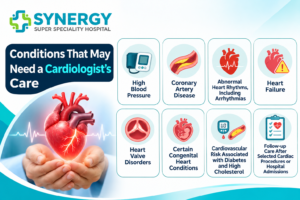
Depending on the specialist’s practice and available facilities, cardiology care may involve the assessment and management of:
High blood pressure
Coronary artery disease
Abnormal heart rhythms, including arrhythmias
Heart failure
Heart valve disorders
Certain congenital heart conditions
Cardiovascular risk associated with diabetes and high cholesterol
Follow-up care after selected cardiac procedures or hospital admissions
Not every patient requires the same investigations or treatment. The cardiologist develops an assessment plan according to the symptoms, examination findings, and relevant medical history.
10 Warning Signs You Shouldn’t Ignore
Heart-related symptoms can vary from one person to another. Some people experience noticeable discomfort, while others develop less obvious symptoms. Recognising concerning changes can help patients seek medical attention at the appropriate time.
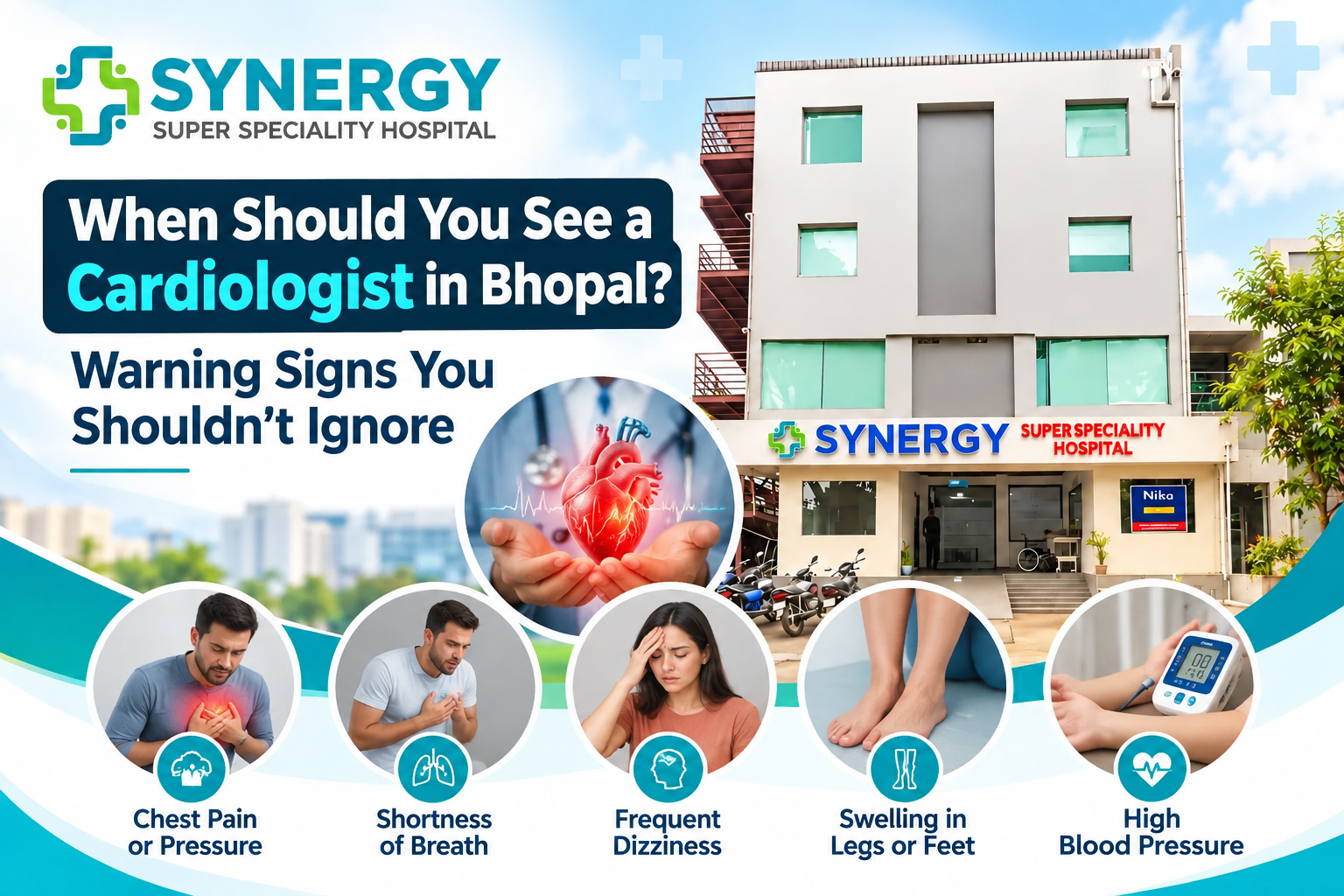
1. Chest Pain or Discomfort
Chest discomfort is one of the most important symptoms that may indicate a heart problem. It can feel like pressure, tightness, heaviness, squeezing, or burning in the chest. The discomfort may occur during physical activity, emotional stress, or even at rest. It can sometimes spread to the shoulders, arms, back, neck, jaw, or upper abdomen.
Not all chest pain is caused by heart disease, but it should not be dismissed without appropriate assessment. When to seek help: Call emergency services if chest discomfort is severe, persistent, recurring, or accompanied by sweating, nausea, breathlessness, or faintness. Do not delay emergency care while trying to arrange a routine appointment.
2. Shortness of Breath
Breathlessness during ordinary activities, while lying down, or at rest may require medical evaluation. Although respiratory conditions and anaemia can cause breathing difficulties, heart conditions may also affect the body’s ability to circulate blood effectively. People who previously performed routine activities comfortably but now become breathless with minimal exertion should discuss the change with a healthcare professional.
A Cardiologist in Bhopal may assess whether the symptoms could be related to the heart and recommend appropriate investigations. Sudden or severe breathlessness, particularly with chest pain, confusion, bluish lips, or faintness, requires emergency medical attention.
3. Rapid or Irregular Heartbeat
A sensation of a racing, pounding, fluttering, or irregular heartbeat is commonly described as palpitations. These sensations may occur occasionally, but frequent or prolonged episodes deserve attention. Possible causes include stress, caffeine, dehydration, thyroid disorders, certain medicines, and abnormal heart rhythms.
A doctor may ask how often the episodes occur, how long they last, and whether they are associated with physical activity, dizziness, or chest discomfort. Seek emergency care if palpitations occur with fainting, severe breathlessness, chest pain, or significant weakness.
4. Unexplained Dizziness or Fainting
Dizziness can develop because of dehydration, low blood pressure, medication effects, or other medical conditions. In some cases, it may be associated with an abnormal heart rhythm or another cardiovascular problem. Fainting, especially during exercise or alongside palpitations and chest discomfort, requires prompt medical assessment.
People who experience repeated episodes should avoid driving until they have received appropriate medical advice. A clinician may recommend blood pressure measurements, an ECG, blood tests, or additional investigations based on the circumstances. Sudden loss of consciousness with ongoing symptoms should be treated as an emergency.
5. Unusual Fatigue or Reduced Exercise Tolerance
Feeling tired after strenuous activity is common. However, persistent or unexplained fatigue may deserve evaluation when it represents a clear change from a person’s usual energy level. Some heart conditions can reduce the body’s ability to deliver sufficient blood during physical activity. Other possible causes include anaemia, sleep problems, thyroid disorders, infections, and medication effects.
If everyday activities such as walking, climbing stairs, or performing routine household tasks become unusually difficult, consult a healthcare professional. Fatigue accompanied by chest discomfort, sudden breathlessness, or faintness requires more urgent attention.
6. Swelling in the Feet, Ankles, or Legs
Swelling in the lower limbs can occur for several reasons, including prolonged sitting, venous problems, kidney disorders, medication effects, and certain heart conditions. When the heart is unable to pump blood effectively, fluid may accumulate in different parts of the body. Swelling may occur alongside breathlessness, rapid weight gain, or difficulty lying flat.
Persistent, unexplained swelling should be medically evaluated rather than assumed to be a normal consequence of ageing. Sudden swelling in one leg, particularly with pain or warmth, also requires urgent assessment because a blood clot may be responsible. If swelling is accompanied by sudden breathlessness or chest pain, seek emergency care.
7. Persistent High Blood Pressure
High blood pressure often develops without noticeable symptoms. However, when it remains uncontrolled, it increases the risk of heart disease, stroke, kidney damage, and other complications. Regular blood pressure measurement is important, especially for people with diabetes, obesity, a family history of cardiovascular disease, or previously elevated readings.
A Heart Doctor in Bhopal may help assess cardiovascular risk and guide treatment when specialist input is needed. Patients should take prescribed medicines as directed and avoid changing doses without medical advice. Very high blood pressure accompanied by chest pain, severe breathlessness, confusion, weakness, or vision changes requires emergency evaluation.
8. Discomfort in the Arm, Jaw, Neck, or Back
Heart-related discomfort does not always remain in the centre of the chest. Some people experience pain or pressure in the arm, shoulder, jaw, neck, back, or upper abdomen.
These symptoms may be mistaken for muscle strain, indigestion, or dental problems. Although they often have non-cardiac causes, discomfort occurring with sweating, nausea, breathlessness, or chest pressure may indicate a heart attack.
Symptoms of a heart attack can differ between individuals. Some people, including older adults and people with diabetes, may experience less typical symptoms.
Seek emergency care if unexplained discomfort develops suddenly or occurs with other possible heart attack symptoms.
9. Breathlessness When Lying Down
Some people notice that breathing becomes difficult when they lie flat and improves when they sit up or use additional pillows. This pattern can sometimes occur when fluid accumulates because of a heart-related problem. Night-time episodes of sudden breathlessness that wake someone from sleep also warrant medical evaluation.
These symptoms can have other causes, so a diagnosis should not be made based on symptoms alone. A clinician may review the patient’s history, examine the heart and lungs, and recommend investigations when appropriate. Sudden severe breathing difficulty requires emergency care.
10. A Family History of Heart Disease
A family history of cardiovascular disease does not necessarily mean a person will develop a heart condition. However, heart disease in close relatives, particularly at a young age, may increase an individual’s risk. People with a family history of premature heart disease may benefit from discussing their blood pressure, cholesterol, blood sugar, smoking history, physical activity, and other risk factors with a healthcare professional.
Depending on the person’s age and medical history, the doctor may recommend preventive screening or a personalised risk assessment. Regular follow-up can help identify modifiable risk factors before symptoms develop.
When Should You Book a Cardiologist Appointment?
Not every symptom requires an emergency visit, but certain changes should not be ignored. Understanding the difference between routine consultation and emergency care can help patients respond appropriately.
Consider a Routine Consultation When:
You have repeatedly elevated blood pressure readings.
You experience recurring palpitations without emergency symptoms.
You have unexplained fatigue or a gradual decline in exercise tolerance.
You have diabetes or high cholesterol alongside cardiovascular risk factors.
You have a family history of premature heart disease.
You need follow-up for a previously diagnosed heart condition.
Your doctor has recommended a cardiovascular assessment after an abnormal test.
The urgency of consultation depends on the symptoms and clinical history. New or worsening symptoms may require a same-day assessment rather than a routine appointment.
Seek Emergency Medical Attention When:
You develop severe or persistent chest pain or pressure.
You experience sudden, severe breathlessness.
You faint and do not recover promptly, or fainting is accompanied by concerning symptoms.
You develop sudden weakness, facial drooping, difficulty speaking, or other possible stroke symptoms.
You experience chest discomfort with cold sweating, nausea, or severe dizziness.
Call India’s emergency number, 112, or the appropriate local ambulance service when a life-threatening emergency is suspected. Do not drive yourself to the hospital if you may be having a heart attack or another serious emergency.
Common Risk Factors for Heart Disease
Cardiovascular disease can develop through a combination of inherited, medical, and lifestyle-related factors. Identifying these factors helps healthcare professionals estimate risk and recommend preventive measures.
High Blood Pressure
Persistently elevated blood pressure places additional strain on the heart and blood vessels. Monitoring readings and following an appropriate treatment plan can help reduce long-term complications.
Diabetes
Diabetes can damage blood vessels over time and increase the risk of coronary artery disease. People with diabetes should discuss cardiovascular risk management with their treating clinician.
High Cholesterol
Elevated levels of certain cholesterol-containing particles can contribute to plaque formation in the arteries. Blood tests help assess cholesterol levels, and treatment depends on overall cardiovascular risk.
Smoking and Tobacco Use
Smoking damages blood vessels and increases the risk of heart disease and stroke. Stopping tobacco use is an important part of cardiovascular prevention.
Physical Inactivity and Obesity
Low levels of physical activity and excess body weight may contribute to high blood pressure, diabetes, and abnormal cholesterol levels. Appropriate physical activity and sustainable dietary changes can support cardiovascular health.
Family History and Age
Age and inherited factors can influence cardiovascular risk. Although these factors cannot be changed, other risks may be managed through screening, lifestyle measures, and appropriate treatment.
What Tests Might a Cardiologist Recommend?
Cardiac investigations depend on the symptoms, examination findings, and suspected condition. Not every patient needs every test.
Electrocardiogram (ECG)
An ECG records the electrical activity of the heart. It may help identify certain abnormal heart rhythms and signs that suggest heart muscle damage or other cardiac problems.
A normal ECG does not rule out every heart condition. Further evaluation may be necessary when symptoms or clinical findings remain concerning.
Echocardiography
An echocardiogram uses ultrasound to assess the heart’s structure and function. It can provide information about heart chambers, pumping function, valves, and blood flow.
The test may be recommended when a doctor suspects certain structural or functional heart problems.
Blood Tests
Blood tests may help assess cholesterol, blood sugar, kidney function, and other factors relevant to cardiovascular health.
When a heart attack is suspected, clinicians may order specific blood tests, such as cardiac troponin, alongside other emergency assessments.
Exercise Stress Testing
Selected patients may undergo exercise stress testing to assess how the heart responds to physical exertion. The choice of test depends on the symptoms, ability to exercise, ECG findings, and clinical assessment.
Stress testing is not appropriate for every patient and should be performed under suitable medical supervision.
Holter Monitoring
A Holter monitor records the heart’s electrical activity over an extended period, often 24–48 hours or longer depending on the device and clinical need.
It may help evaluate intermittent palpitations or suspected rhythm abnormalities that are not captured during a brief ECG.
Additional Investigations
Depending on the clinical situation, the cardiologist may recommend other investigations, including ambulatory blood pressure monitoring, cardiac imaging, or coronary assessment.
Patients should ask why a test is needed, how to prepare, what it may reveal, and when the results will be available.
Cardiology Services at Synergy Super Speciality Hospital, Bhopal
Synergy Super Speciality Hospital, located in Saket Nagar, Bhopal, lists cardiology among its specialist healthcare services. Patients looking for a Cardiologist in Bhopal can contact the hospital to confirm the availability of consultations and the services relevant to their condition.
Cardiology assessment may be relevant for patients experiencing chest discomfort, palpitations, elevated blood pressure, or other cardiovascular concerns. The exact evaluation and treatment plan depend on the patient’s diagnosis and clinical requirements.
Before arranging a visit, patients should confirm:
The availability of the relevant cardiologist.
Appointment timings and registration requirements.
Whether the required cardiac investigations are available.
The estimated consultation and testing charges.
Insurance coverage and payment arrangements.
Whether emergency care is required instead of a routine appointment.
For suspected heart attack symptoms or another life-threatening condition, seek immediate emergency care rather than waiting for a scheduled specialist consultation.
How to Prepare for a Cardiology Consultation
Preparing relevant medical information can help make a consultation more useful.
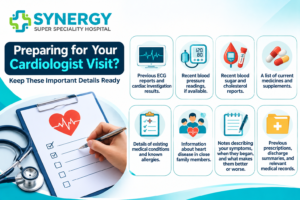
Before visiting a Cardiologist in Bhopal, consider carrying:
Previous ECG reports and cardiac investigation results.
Recent blood pressure readings, if available.
Recent blood sugar and cholesterol reports.
A list of current medicines and supplements.
Details of existing medical conditions and known allergies.
Information about heart disease in close family members.
Notes describing your symptoms, when they began, and what makes them better or worse.
Previous prescriptions, discharge summaries, and relevant medical records.
During the consultation, explain whether symptoms occur during exercise, after meals, during stress, or while resting. Mention any associated dizziness, sweating, nausea, or breathlessness. Ask the doctor about the likely cause of your symptoms, recommended investigations, treatment options, possible side effects, and follow-up requirements. Do not stop prescribed medication or begin a new medicine without appropriate medical advice.
Heart Health and Preventive Care
Preventive healthcare can help reduce the risk of cardiovascular disease. The right approach depends on a person’s age, medical history, existing conditions, and overall risk.
Monitor Blood Pressure
Have your blood pressure checked at appropriate intervals. If readings are consistently elevated, discuss them with a healthcare professional rather than relying on symptoms to identify a problem.
Follow a Balanced Diet
A heart-conscious eating pattern generally includes vegetables, fruits, whole grains, pulses, nuts, and suitable protein sources. Limiting excess salt, trans fats, and highly processed foods may help support cardiovascular health.
People with specific medical conditions should seek individual dietary guidance when necessary.
Remain Physically Active
Regular physical activity can support heart health, blood pressure management, and blood sugar control. Adults should aim for an appropriate level of activity based on their health and abilities.
Anyone experiencing unexplained chest pain, severe breathlessness, or fainting during exercise should stop and seek medical evaluation before resuming strenuous activity.
Avoid Tobacco
Avoid smoking and other tobacco products. People who need support with tobacco cessation can discuss suitable options with a healthcare professional.
Manage Diabetes and Cholesterol
Follow recommended screening schedules and take prescribed treatment as directed. Managing diabetes, cholesterol, and blood pressure can help reduce cardiovascular risk.
Attend Follow-Up Appointments
Patients with diagnosed heart conditions may need ongoing monitoring, medication reviews, and repeat investigations. Keeping appointments helps the treating team assess progress and adjust the care plan when needed.
Finding a Cardiologist Near Saket Nagar, Bhopal
Location can influence how easily patients attend consultations, undergo investigations, and complete follow-up visits. Residents can compare healthcare facilities according to the specialist required, travel time, and available services.
Cardiologist in Saket Nagar, Bhopal
People searching for a Cardiologist in Saket Nagar, Bhopal, can review Synergy Super Speciality Hospital’s listed cardiology services and confirm current consultation availability.
Before visiting, ask about the relevant specialist, appointment timings, diagnostic support, and consultation fees.
Heart Specialist Near Habibganj, Bhopal
Patients looking for a Heart Specialist near Habibganj, Bhopal, can compare facilities in nearby areas based on clinical requirements and accessibility.
For planned consultations, confirm the hospital’s location and appointment arrangements before travelling. Patients experiencing emergency symptoms should seek immediate care at an appropriate emergency facility.
Cardiologist Near Arera Colony, Bhopal
Residents of Arera Colony may consider healthcare facilities in nearby localities, including Saket Nagar. The choice should depend on the patient’s symptoms, the required specialist, and access to suitable diagnostic services.
Heart Hospital Near DRM Road, Bhopal
Synergy Super Speciality Hospital is located at 33–34, Sector 3D, DRM Road, Saket Nagar, Bhopal, according to the provided hospital information. Patients searching for a Heart Hospital near DRM Road, Bhopal, should verify the current address, cardiology consultation schedule, and availability of the required services before travelling. For a suspected heart attack, prioritise immediate emergency care over distance comparisons or routine appointment availability.
Frequently Asked Questions About Cardiologists in Bhopal
1. When should I see a cardiologist in Bhopal?
Consider a cardiology consultation for recurring palpitations, persistently high blood pressure, unexplained fatigue, reduced exercise tolerance, or cardiovascular risk factors. Severe chest pain, sudden breathlessness, or suspected heart attack symptoms require emergency medical attention.
2. What symptoms indicate that I may need a heart specialist?
Possible warning signs include chest discomfort, breathlessness, irregular heartbeats, unexplained fainting, and swelling in the legs. These symptoms can have several causes, so medical evaluation is necessary to determine whether they are related to the heart.
3. How do I choose a cardiologist in Bhopal?
Check the doctor’s qualifications, relevant clinical experience, consultation availability, access to appropriate investigations, and follow-up arrangements. Choose a specialist whose expertise matches your medical needs.
4. Does Synergy Super Speciality Hospital in Bhopal offer cardiology services?
Cardiology is included among Synergy Super Speciality Hospital’s listed healthcare services. Contact the hospital directly to confirm the current cardiologist’s availability, consultation schedule, and diagnostic facilities.
5. Which tests can a cardiologist recommend?
Depending on the symptoms, a cardiologist may recommend an ECG, echocardiogram, blood tests, Holter monitoring, or selected stress tests. The required investigations depend on the patient’s clinical assessment.
6. Can high blood pressure damage the heart without symptoms?
Yes. High blood pressure often causes no noticeable symptoms but can increase the risk of coronary artery disease, heart failure, stroke, and other complications. Regular monitoring and appropriate treatment are important.
7. When should chest pain be treated as an emergency?
Severe, persistent, or unexplained chest discomfort, particularly when accompanied by sweating, nausea, breathlessness, or faintness, may indicate a heart attack. Call emergency services immediately rather than waiting for a routine appointment.
8. Can young adults also need a cardiologist?
Yes. Young adults may require cardiac evaluation because of congenital heart conditions, abnormal heart rhythms, certain inherited conditions, or concerning symptoms. The need for assessment depends on the individual’s medical history and symptoms.
9. Where can I find a cardiologist near Saket Nagar, Bhopal?
Synergy Super Speciality Hospital in Saket Nagar lists cardiology among its services. Patients should contact the hospital to confirm current consultation availability and whether the required investigations can be arranged.
10. How can I reduce my risk of heart disease?
Managing blood pressure, diabetes, and cholesterol; avoiding tobacco; following a balanced diet; remaining physically active; and attending recommended health check-ups can help reduce cardiovascular risk. Individual recommendations should be based on medical history and clinical assessment.
Conclusion: Recognising Heart Warning Signs and Seeking Timely Care
Recognising potential heart-related symptoms is an important step towards protecting cardiovascular health. Chest discomfort, unexplained breathlessness, abnormal heart rhythms, fainting, persistent fatigue, and swelling may require medical assessment, depending on their severity and associated symptoms. People searching for a Cardiologist in Bhopal should consider the specialist’s relevant expertise, the availability of appropriate diagnostic services, follow-up arrangements, and the patient’s specific medical needs.
Synergy Super Speciality Hospital in Saket Nagar, Bhopal, lists cardiology among its healthcare services. Patients can contact the hospital to verify current consultation timings, available investigations, and treatment arrangements. Residents of Saket Nagar, Habibganj, Arera Colony, DRM Road, and surrounding areas should seek medical advice when concerning symptoms develop rather than ignoring persistent changes in their health. Most importantly, suspected heart attack symptoms, sudden severe breathlessness, or other potentially life-threatening signs require immediate emergency medical attention. Early evaluation, appropriate treatment, and regular preventive care can help people make informed decisions about their heart health.