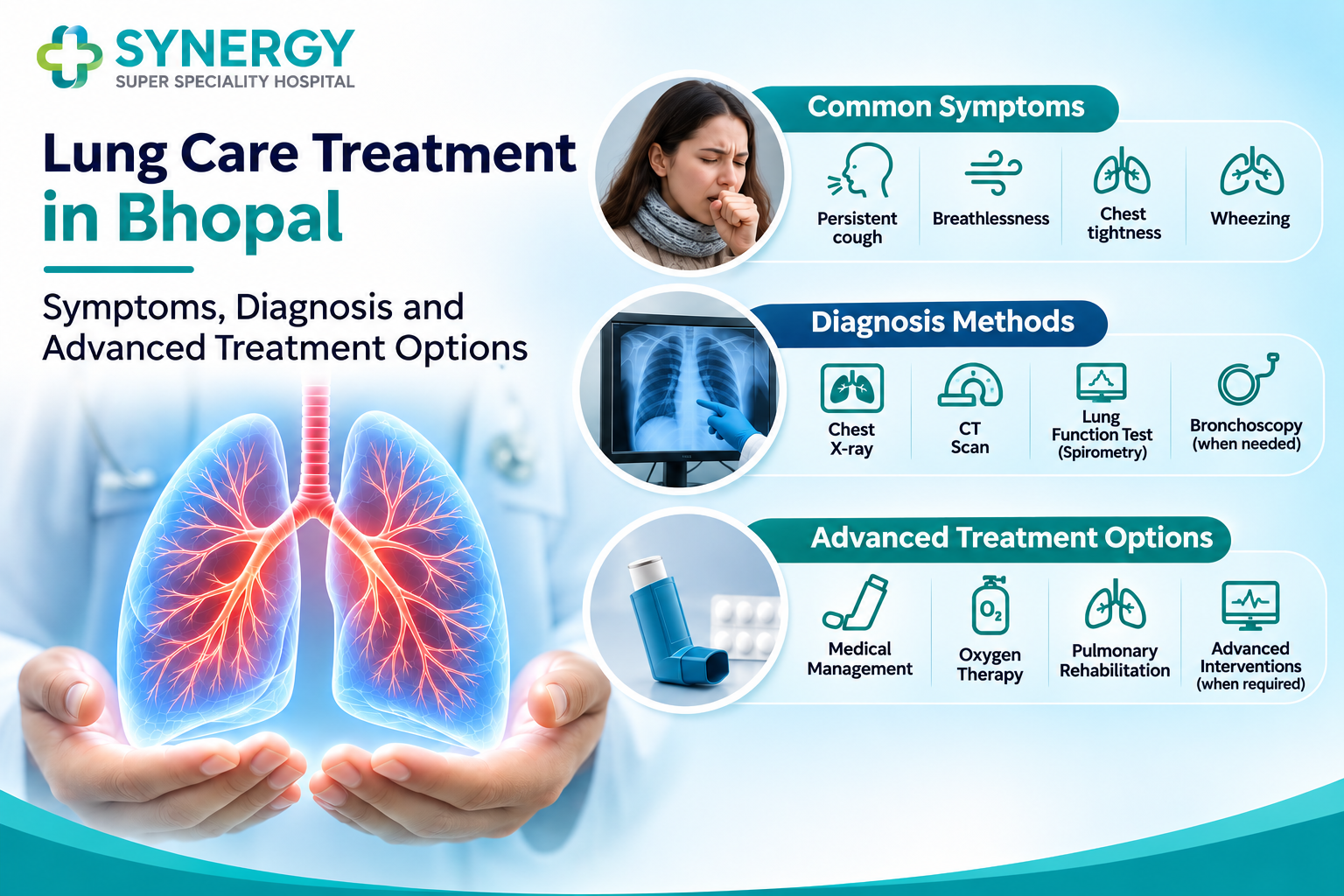
Lung Care Treatment in Bhopal focuses on identifying respiratory problems, understanding their underlying causes and selecting appropriate treatment options. Depending on the patient’s condition, treatment may include medications, inhalation therapy, oxygen support, pulmonary rehabilitation and other specialised respiratory procedures. The lungs play an essential role in maintaining overall health by supplying oxygen to the body and removing carbon dioxide. Every time we breathe, the lungs work with the respiratory system to ensure that oxygen reaches the bloodstream and supports the normal functioning of different organs. Healthy lungs are important for maintaining energy levels, physical activity and overall well-being.
However, several factors, including air pollution, smoking, respiratory infections, allergies and environmental exposure, can affect lung health. These factors may contribute to different respiratory conditions, such as asthma, chronic obstructive pulmonary disease (COPD), bronchitis, pneumonia, pulmonary fibrosis and other lung disorders. People experiencing persistent coughing, breathlessness, chest tightness, wheezing or repeated respiratory infections should not ignore these symptoms. While some respiratory problems may improve with appropriate treatment, recurring or progressive symptoms may indicate an underlying lung condition that requires medical evaluation.
Synergy Super Speciality Hospital, located in Saket Nagar, Bhopal, is a multispeciality healthcare facility. Patients exploring respiratory healthcare options can enquire directly about the availability of pulmonology consultations, diagnostic investigations and relevant treatment facilities.
What Is Lung Care and Pulmonology?
Pulmonology is a medical speciality concerned with the diagnosis and management of diseases affecting the lungs and respiratory system.
The respiratory system includes several important structures:
Nose and nasal passages.
Throat and voice box.
Trachea or windpipe.
Bronchi and smaller airways.
Lungs and alveoli.
Diaphragm and respiratory muscles.
These structures work together to support breathing and oxygen exchange. When any part of the respiratory system becomes affected by infection, inflammation, obstruction or tissue damage, it may interfere with normal breathing. A Lung Specialist in Saket Nagar, Bhopal, can evaluate respiratory symptoms, review medical history and recommend suitable investigations according to the patient’s condition. Pulmonology care may involve the evaluation and management of acute respiratory infections, chronic lung diseases, sleep-related breathing disorders and other conditions affecting respiratory function.
Common Lung Diseases That Require Medical Attention
Lung diseases can affect people of different age groups. Some conditions develop suddenly due to infections, while others progress gradually over months or years.
Recognising common respiratory symptoms can help patients seek timely medical advice.
1. Asthma
Asthma is a chronic respiratory condition in which the airways become inflamed and narrowed, making breathing difficult. The symptoms may vary in severity and can occur periodically.
Common symptoms include:
Wheezing or whistling sounds while breathing.
Shortness of breath.
Chest tightness.
Repeated coughing, particularly at night.
Breathing difficulty during physical activity.
Common triggers include dust, pollen, smoke, air pollution, respiratory infections and certain environmental allergens. Asthma management may involve prescribed inhalers, trigger avoidance and regular monitoring. Patients experiencing recurring breathing problems can explore suitable Asthma Treatment in Arera Colony, Bhopal, after consulting a qualified respiratory specialist.
2. Chronic Obstructive Pulmonary Disease (COPD)
COPD is a group of progressive lung diseases that cause airflow obstruction and make breathing difficult. Chronic bronchitis and emphysema are commonly associated with this condition.
Smoking is a major risk factor, although long-term exposure to air pollution, occupational dust and certain harmful fumes can also contribute.
Common symptoms include:
Persistent cough.
Excessive mucus production.
Breathlessness during physical activity.
Wheezing.
Frequent respiratory infections.
Reduced exercise tolerance.
COPD cannot generally be reversed, but appropriate treatment can help control symptoms, reduce exacerbations and improve quality of life.
3. Bronchitis
Bronchitis occurs when the bronchial tubes, which carry air into the lungs, become inflamed.
It can be classified into two main types:
Acute Bronchitis: Usually develops following a respiratory infection and may cause coughing, mucus production, chest discomfort and mild breathing difficulties.
Chronic Bronchitis: Involves long-term airway inflammation and persistent mucus-producing cough. It is commonly associated with COPD.
Treatment depends on the underlying cause and may involve supportive care, prescribed medication and management of associated respiratory conditions.
4. Pneumonia
Pneumonia is an infection that causes inflammation in one or both lungs. It may develop due to bacteria, viruses or fungi.
Common symptoms include:
Fever and chills.
Cough with or without mucus.
Chest pain while breathing or coughing.
Breathlessness.
Fatigue and weakness.
Rapid breathing.
Older adults, young children and people with weakened immune systems may be at increased risk of complications. Severe breathing difficulty, confusion or bluish lips requires urgent medical attention.
5. Pulmonary Fibrosis
Pulmonary fibrosis is a condition in which lung tissue becomes scarred and stiff. This makes it difficult for the lungs to expand properly and transfer oxygen into the bloodstream.
Possible symptoms include:
Progressive breathlessness.
Persistent dry cough.
Fatigue.
Reduced exercise capacity.
Unexplained weight loss in some patients.
The condition requires specialised evaluation. Treatment may involve antifibrotic medicines for selected patients, oxygen support and pulmonary rehabilitation.
6. Tuberculosis (TB)
Tuberculosis is an infectious disease caused by Mycobacterium tuberculosis. It most commonly affects the lungs and spreads through the air when an infected person releases infectious particles.
Symptoms may include:
Cough lasting several weeks.
Blood in sputum.
Fever.
Night sweats.
Unexplained weight loss.
Loss of appetite.
Persistent fatigue.
Early diagnosis and completion of the prescribed treatment course are important for controlling tuberculosis and reducing its spread.
7. Bronchiectasis
Bronchiectasis is a chronic lung condition in which the airways become permanently widened and damaged. This can lead to mucus accumulation and repeated respiratory infections. Common symptoms include persistent cough, excessive sputum production, recurrent chest infections, wheezing and breathlessness. Management may involve airway clearance techniques, prescribed medicines, infection control and regular respiratory monitoring.
8. Interstitial Lung Diseases (ILD)
Interstitial lung diseases include a group of disorders that cause inflammation or scarring of the tissues surrounding the air sacs of the lungs.
Symptoms may include:
Progressive breathlessness.
Persistent dry cough.
Fatigue.
Reduced physical activity tolerance.
Low oxygen levels.
Treatment depends on the specific ILD type and may involve medication, oxygen therapy and pulmonary rehabilitation.
Warning Signs of Lung Diseases
Respiratory symptoms can vary depending on the underlying condition. Some symptoms may be temporary, while others may indicate a chronic lung disorder.
Watch for the following warning signs:
Persistent cough lasting several weeks.
Shortness of breath during routine activities.
Wheezing or noisy breathing.
Chest tightness or discomfort.
Coughing up blood or blood-stained mucus.
Repeated respiratory infections.
Excessive mucus or sputum production.
Unexplained fatigue and weakness.
Reduced ability to perform physical activities.
Difficulty breathing while lying down.
People experiencing recurring symptoms can seek Lung Disease Diagnosis in Bhopal through an appropriate medical evaluation. Severe breathlessness, sudden chest pain, blue lips or face, coughing up significant amounts of blood or confusion requires urgent medical attention.
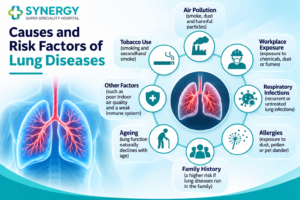
Causes and Risk Factors of Lung Diseases
Several environmental, lifestyle and medical factors can affect respiratory health.
Common risk factors include:
1. Air Pollution: Exposure to particulate matter, smoke and harmful gases can irritate the airways and contribute to respiratory problems.
2. Smoking: Tobacco smoking is a major risk factor for COPD, lung cancer and other respiratory diseases. Second-hand smoke exposure can also affect lung health.
3. Respiratory Infections: Repeated or severe respiratory infections may damage lung tissues or contribute to chronic airway conditions.
4. Occupational Exposure: Regular exposure to dust, chemicals, industrial fumes and certain workplace substances may increase the risk of occupational lung diseases.
5. Allergies: Pollen, dust mites, mould and other allergens may trigger airway inflammation and asthma symptoms in susceptible individuals.
6. Genetic Factors: Certain inherited conditions can increase the risk of specific respiratory disorders.
7. Existing Medical Conditions: Some autoimmune and cardiovascular conditions may affect lung function or contribute to respiratory complications.
Understanding these risk factors can help individuals take appropriate preventive measures and seek timely medical guidance.
Diagnosis of Lung Diseases
Accurate diagnosis is an important part of respiratory care. Lung Care Treatment in Bhopal begins with evaluating the patient’s symptoms, medical history, lifestyle and possible environmental exposures. A doctor may recommend different investigations depending on the suspected respiratory condition.
1. Pulmonary Function Test (PFT)
Pulmonary Function Tests evaluate how effectively the lungs work. They help measure airflow, lung capacity and the movement of oxygen into the bloodstream. These tests may help assess conditions such as asthma, COPD and interstitial lung diseases.
2. Spirometry Test
Spirometry is one of the commonly used lung function tests. It measures how much air a person can breathe out and how quickly they can exhale.
It may help identify airflow obstruction and monitor respiratory conditions over time.
3. Chest X-Ray
A chest X-ray produces images of the lungs, heart and surrounding structures. It may help identify pneumonia, certain infections, lung abnormalities and other chest-related conditions.
4. HRCT Chest Scan
High-Resolution Computed Tomography (HRCT) provides detailed images of lung tissues and airways.
It may be recommended to evaluate:
Interstitial lung diseases.
Pulmonary fibrosis.
Bronchiectasis.
Certain infections.
Other structural lung abnormalities.
5. Blood Tests
Blood investigations may help identify infections, inflammation, anaemia and other conditions that may affect breathing. An arterial blood gas test may also be recommended to evaluate oxygen and carbon dioxide levels in the blood.
6. Sputum Examination
A sputum test involves examining mucus collected from the respiratory tract. It may help identify bacterial infections, tuberculosis and certain other respiratory conditions.
7. Bronchoscopy
Bronchoscopy is a procedure in which a thin, flexible tube with a camera is inserted through the nose or mouth into the airways. It may help doctors examine the respiratory passages, collect tissue or mucus samples and investigate certain causes of persistent cough, bleeding or abnormal imaging findings. The need for bronchoscopy and other investigations depends on the patient’s symptoms and clinical findings.
Advanced Treatment Options for Lung Diseases
Treatment depends on the type of respiratory condition, its severity, the patient’s overall health and response to previous treatment. Advanced Respiratory Treatment in Bhopal may involve a combination of medical management, inhalation therapy, respiratory support and rehabilitation, depending on the clinical requirements.
1. Medication-Based Treatment
Medicines may be prescribed to manage airway inflammation, infections, excessive mucus production and other respiratory symptoms.
Common categories include:
Bronchodilators to help relax airway muscles.
Inhaled corticosteroids for selected inflammatory airway conditions.
Antibiotics for susceptible bacterial infections.
Mucolytic medicines to help manage thick mucus in selected conditions.
Other disease-specific medications.
The choice of medicine depends on the diagnosis. Antibiotics are not effective against viral infections and should not be used without appropriate medical advice.
2. Inhalation Therapy
Inhalation therapy delivers medication directly into the respiratory system.
Different devices may include:
Metered-dose inhalers.
Dry powder inhalers.
Nebulisers.
Inhalation therapy is commonly used in conditions such as asthma and COPD. Correct inhaler technique is important for effective treatment.
3. Oxygen Therapy
Oxygen therapy provides additional oxygen to patients who have medically confirmed low oxygen levels. It may be required in certain advanced respiratory conditions, including severe COPD and some interstitial lung diseases. Oxygen should be used according to medical assessment and prescribed requirements.
4. Non-Invasive Ventilation (NIV)
Non-invasive ventilation supports breathing through a specially designed mask connected to a ventilatory device. It helps improve ventilation without requiring an invasive breathing tube. NIV may be recommended in selected patients with respiratory failure, particularly certain cases of acute COPD exacerbation.
5. Bronchoscopic Procedures
Bronchoscopic procedures may be recommended for diagnostic or therapeutic purposes.
Depending on the condition, bronchoscopy may help:
Examine the airways.
Collect respiratory samples.
Investigate unexplained bleeding.
Evaluate airway blockages.
Obtain tissue samples from selected abnormalities.
The specific procedure depends on the patient’s clinical condition and available specialist facilities.
6. Pulmonary Rehabilitation
Pulmonary rehabilitation is a structured programme designed to improve physical functioning and help patients manage chronic respiratory conditions.
It may include:
Supervised physical exercise.
Breathing techniques.
Education about lung diseases.
Energy conservation strategies.
Nutritional guidance.
Support for managing daily activities.
It may be beneficial for selected patients with COPD and other chronic respiratory conditions.
7. Treatment of Severe Respiratory Conditions
Some patients may require hospital-based treatment because of severe breathlessness, respiratory infections or reduced oxygen levels. Depending on the condition, medical management may involve oxygen support, non-invasive ventilation, intensive monitoring and other specialised interventions. Not every patient requires advanced respiratory support. Treatment decisions are based on clinical evaluation and the severity of the condition.
Importance of Choosing the Right Lung Specialist in Bhopal
Respiratory diseases may require ongoing medical attention, particularly when patients have chronic conditions such as asthma, COPD, bronchiectasis or pulmonary fibrosis. Choosing a suitable healthcare facility is an important part of managing these conditions.
When looking for a Pulmonologist in Saket Nagar, Bhopal, patients should consider the following factors:
Availability of qualified respiratory specialists.
Access to pulmonary function testing.
Availability of chest imaging and diagnostic investigations.
Support for managing acute and chronic respiratory conditions.
Access to oxygen and respiratory support when clinically required.
Availability of bronchoscopy, if indicated.
Coordination with other medical departments.
Regular follow-up and long-term respiratory care.
Patients looking for a Lung Hospital near Sector 3D, Bhopal, should confirm which diagnostic facilities, procedures and specialist services are actually available. A multispeciality healthcare setting can be useful when respiratory conditions occur alongside heart disease, diabetes or other medical problems.
Lung Care at Synergy Super Speciality Hospital, Bhopal
Synergy Super Speciality Hospital is located in Saket Nagar, Bhopal. It is a multispeciality healthcare facility with different medical departments. Patients exploring Lung Care Treatment in Bhopal can enquire about the availability of pulmonology consultations, respiratory investigations, lung disease management and related specialist services.
When evaluating a Pulmonology Hospital near Rani Kamlapati, Bhopal, patients should consider the following:
Availability of pulmonology consultations.
Respiratory diagnostic investigations.
Lung function testing facilities.
Imaging and laboratory support.
Management of acute and chronic respiratory conditions.
Respiratory support and critical care services, where available.
Coordination with other medical specialists.
Patients should directly confirm the availability of specific procedures, specialists and diagnostic facilities before visiting the hospital.
When Should You Consult a Pulmonologist?
Respiratory symptoms should not be ignored, particularly when they continue for several weeks, become more severe or interfere with routine activities.
Consider consulting a respiratory specialist if you experience:
Persistent cough lasting more than three weeks.
Repeated episodes of breathlessness.
Wheezing or chest tightness.
Excessive mucus production.
Frequent respiratory infections.
Coughing up blood.
Difficulty breathing during physical activity.
Repeated asthma attacks.
Unexplained fatigue associated with breathing problems.
Abnormal chest X-ray or lung function test results.
People searching for a Chest Specialist near Habibganj, Bhopal, should seek appropriate medical advice when respiratory symptoms become persistent or progressively worse.
Severe or sudden breathing difficulty requires emergency medical attention.
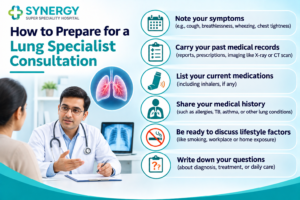
How to Prepare for a Lung Specialist Consultation
Preparing for a respiratory consultation can help the doctor understand your symptoms and medical history.
Consider carrying:
Previous chest X-ray or HRCT reports.
Pulmonary function test reports, if available.
Previous prescriptions and medication details.
Information about smoking or workplace exposure.
Details about allergies and respiratory triggers.
Records of previous respiratory infections.
Details about the duration and frequency of coughing or breathlessness.
Previous hospitalisation records, if applicable.
Patients using inhalers should also carry their devices so that the doctor can review their inhalation technique.
Frequently Asked Questions (FAQs)
1. What are the common symptoms of lung diseases?
Common symptoms include persistent coughing, breathlessness, wheezing, chest tightness, excessive mucus production, fatigue and repeated respiratory infections. The symptoms depend on the underlying lung condition.
2. When should I consult a pulmonologist in Bhopal?
You should consider consulting a pulmonologist if you experience persistent cough, recurring breathlessness, wheezing, chest discomfort, repeated chest infections or abnormal respiratory test results.
3. What tests are used to diagnose lung diseases?
Common investigations include spirometry, pulmonary function tests, chest X-rays, HRCT scans, blood tests, sputum examinations and bronchoscopy. The doctor recommends tests according to the patient’s symptoms and medical history.
4. What is the difference between asthma and COPD?
Asthma is a chronic inflammatory airway condition that often involves variable symptoms and airflow limitation. COPD is a progressive respiratory condition involving persistent airflow obstruction. Both conditions can cause coughing, wheezing and breathlessness.
5. Can air pollution affect lung health?
Yes. Exposure to air pollution, particulate matter, smoke and harmful gases can irritate the respiratory system and worsen existing lung conditions. Reducing exposure can help protect respiratory health.
6. What is a pulmonary function test?
A pulmonary function test measures how well the lungs work. It evaluates airflow, lung capacity and other aspects of respiratory function. It is commonly used to assess asthma, COPD and certain other lung diseases.
7. Is nebulisation useful for respiratory conditions?
Nebulisation delivers prescribed medication in the form of a fine mist that can be inhaled into the lungs. It may be recommended for selected patients with asthma, COPD and other respiratory conditions.
8. What is the role of bronchoscopy in lung treatment?
Bronchoscopy allows doctors to examine the airways using a thin flexible camera-equipped instrument. It may help investigate persistent respiratory symptoms, collect samples and evaluate certain airway abnormalities.
9. Can chronic lung diseases be managed with treatment?
Many chronic respiratory conditions can be managed through prescribed medicines, inhalation therapy, lifestyle modifications, pulmonary rehabilitation and regular medical monitoring. Treatment depends on the specific diagnosis and severity.
10. Where is Synergy Super Speciality Hospital located in Bhopal?
Synergy Super Speciality Hospital is located at 33–34, Sector 3D, DRM Road, Saket Nagar, Bhopal, Madhya Pradesh. Patients should contact the hospital directly to confirm available respiratory consultations and diagnostic services.
Conclusion – Lung Care Treatment in Bhopal
Healthy lungs are essential for normal breathing, physical activity and overall well-being. Respiratory conditions such as asthma, COPD, bronchitis, pneumonia, bronchiectasis and pulmonary fibrosis can affect daily life when not appropriately managed. Persistent coughing, breathlessness, wheezing, chest tightness and repeated respiratory infections should receive proper medical attention. Early diagnosis can help identify underlying lung problems and guide suitable treatment.
Lung Care Treatment in Bhopal involves a combination of clinical evaluation, respiratory investigations, medication-based management and specialised treatment approaches according to the patient’s condition. Synergy Super Speciality Hospital, located at 33–34, Sector 3D, DRM Road, Saket Nagar, Bhopal, provides a multispeciality healthcare setting. Patients can enquire directly about available pulmonology consultations, respiratory diagnostic facilities and treatment services. Seeking timely medical advice and following an appropriate treatment plan can help patients manage respiratory conditions and maintain better lung health.