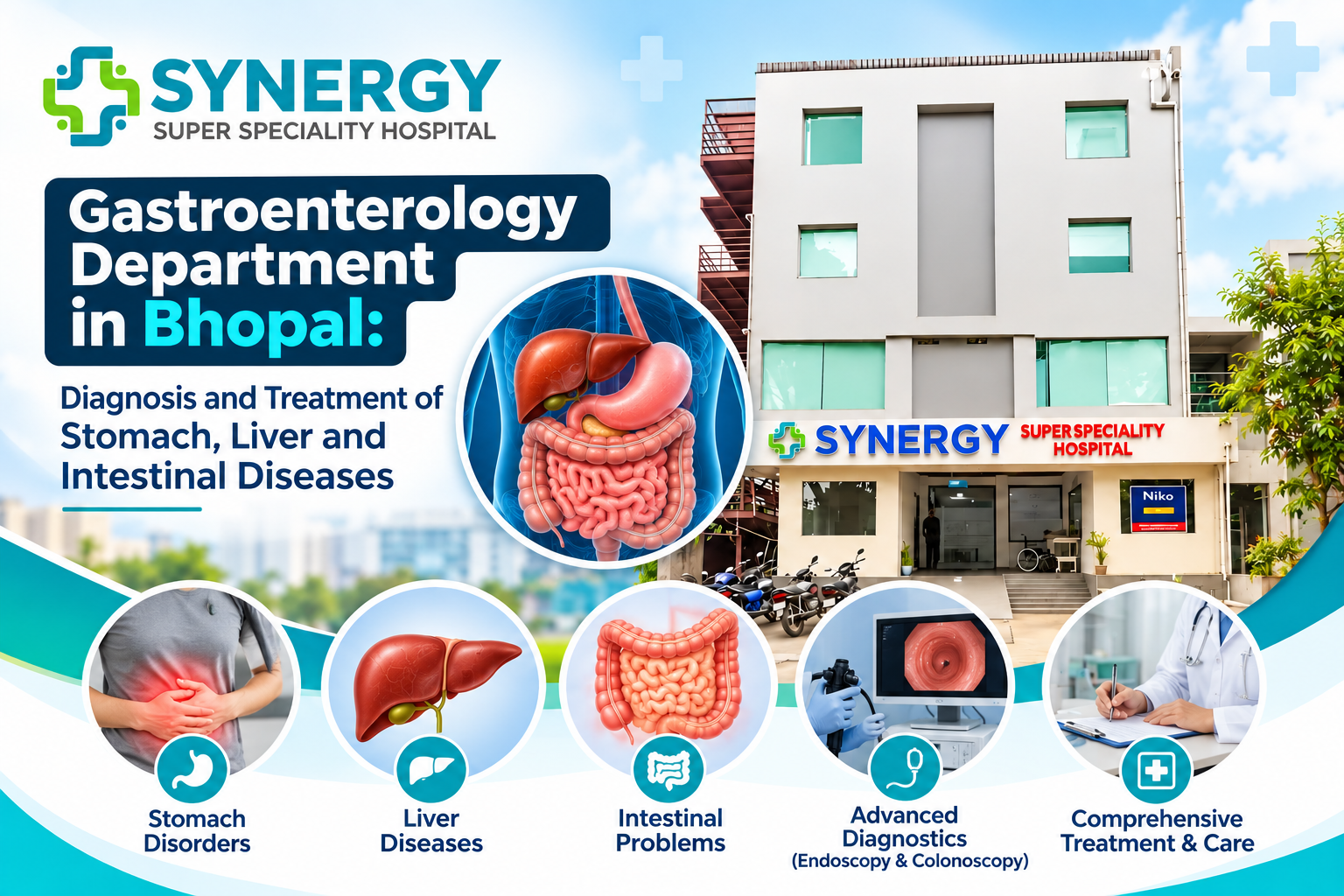
Digestive health plays an important role in maintaining overall health and well-being. The digestive system includes several organs, such as the food pipe, stomach, small intestine, large intestine, liver, gallbladder and pancreas. These organs work together to digest food, absorb nutrients and remove waste from the body. When any part of this system does not function properly, it can lead to digestive problems that affect daily life.
People may experience symptoms such as frequent acidity, abdominal pain, bloating, constipation, diarrhoea, vomiting, difficulty swallowing or changes in bowel habits. While some digestive problems may be temporary, persistent or recurring symptoms can indicate an underlying medical condition that requires professional evaluation. The Gastroenterology Department in Bhopal focuses on the evaluation and management of conditions affecting the digestive tract, liver and related organs. Understanding the causes, symptoms and available treatment options can help patients seek timely medical attention.
Synergy Super Speciality Hospital, located in Saket Nagar, Bhopal, is a multispeciality healthcare facility with gastroenterology listed among its medical departments. Patients looking for a Gastroenterology Hospital in Bhopal can consider the hospital while exploring suitable healthcare options for digestive health concerns.
What Is Gastroenterology?
Gastroenterology is a medical speciality concerned with the digestive system and its related organs. It involves the assessment, diagnosis and management of diseases affecting the gastrointestinal tract, liver, gallbladder and pancreas. The digestive system performs several essential functions, including breaking down food, absorbing nutrients, maintaining fluid balance and eliminating waste. Problems affecting these functions may result in discomfort, nutritional deficiencies and other health complications.
A Gastroenterology Department in Bhopal provides a medical setting where patients can seek evaluation for different digestive health concerns. The exact investigation and treatment plan depend on the patient’s symptoms, medical history, examination findings and clinical requirements.
Common Digestive Diseases That Require Medical Attention
Digestive disorders can affect people of different age groups. Some conditions develop gradually, while others may cause sudden symptoms. Recognising common warning signs can help patients seek medical advice at the right time.
1. Acidity and Gastroesophageal Reflux Disease (GERD)
Acidity occurs when stomach acid moves upwards towards the food pipe. Occasional acid reflux may cause heartburn, but frequent symptoms can indicate gastroesophageal reflux disease (GERD).
Common symptoms include:
- Burning sensation in the chest
- Sour or bitter taste in the mouth
- Regurgitation of food or liquid
- Discomfort after meals
- Difficulty swallowing in some cases
Lifestyle changes, dietary adjustments and prescribed medicines may help manage reflux symptoms. Persistent symptoms should be evaluated by a qualified medical professional.
2. Gastritis
Gastritis refers to inflammation of the stomach lining. It may develop suddenly or continue over a longer period. Common causes include Helicobacter pylori infection, certain medicines, alcohol consumption and other underlying conditions. Symptoms may include upper abdominal discomfort, nausea, vomiting, bloating and loss of appetite. Treatment depends on the cause and severity of inflammation.
3. Peptic Ulcer Disease
Peptic ulcers are open sores that develop in the lining of the stomach or the upper part of the small intestine. They are commonly associated with H. pylori infection and prolonged use of certain pain-relieving medicines.
Possible symptoms include:
- Burning or aching stomach pain
- Nausea
- Bloating
- Indigestion
- Discomfort between meals or at night
Vomiting blood or passing black, tarry stools can indicate bleeding and requires urgent medical attention.
4. Irritable Bowel Syndrome (IBS)
Irritable Bowel Syndrome is a functional gastrointestinal disorder that affects bowel habits. People with IBS may experience recurring abdominal pain along with constipation, diarrhoea or alternating bowel patterns.Common symptoms include abdominal cramps, bloating, gas and changes in stool frequency or consistency. Management may involve dietary changes, stress management and medicines based on individual symptoms.
5. Inflammatory Bowel Disease (IBD)
Inflammatory Bowel Disease includes conditions such as Crohn’s disease and ulcerative colitis. These conditions involve chronic inflammation of the digestive tract. Symptoms may include persistent diarrhoea, abdominal pain, blood in stools, fatigue and unintended weight loss. Proper evaluation is important because these conditions may require long-term medical management.
6. Liver Diseases
The liver performs several important functions, including processing nutrients, producing bile, storing energy and removing harmful substances from the blood.
Common liver conditions include:
- Fatty liver disease
- Viral hepatitis
- Alcohol-related liver disease
- Liver cirrhosis
- Liver inflammation
Symptoms can include fatigue, abdominal swelling, yellowing of the eyes or skin, dark urine and loss of appetite. Some liver conditions may not cause noticeable symptoms during their early stages. Patients seeking Liver Disease Treatment in Bhopal should consult a medical professional for appropriate assessment and guidance.
7. Constipation and Chronic Diarrhoea
Constipation involves difficulty passing stools or having fewer bowel movements than usual. Chronic diarrhoea refers to loose or watery stools that continue for an extended period. Both conditions can result from dietary habits, infections, medication effects, digestive disorders or other medical problems. Persistent symptoms should not be ignored, particularly when accompanied by blood in stools, fever, dehydration or unexplained weight loss.
Warning Signs of Digestive System Disorders
Digestive symptoms can vary depending on the affected organ and the underlying condition. Some symptoms may improve with basic lifestyle changes, but recurring or severe symptoms need medical evaluation.
Watch for the following warning signs:
- Frequent acidity or heartburn
- Persistent abdominal pain
- Repeated vomiting
- Difficulty swallowing
- Blood in stools
- Black or tarry stools
- Long-lasting constipation or diarrhoea
- Unexplained weight loss
- Yellowing of the skin or eyes
- Persistent bloating and loss of appetite
If symptoms are severe, sudden or associated with bleeding, dehydration or intense abdominal pain, seek urgent medical care.
Diagnosis of Digestive and Liver Diseases
Accurate diagnosis is an important part of managing gastrointestinal conditions. The evaluation generally begins with a discussion of symptoms, medical history, medication use, dietary habits and family history.
A doctor may recommend investigations depending on the suspected condition.
1. Blood Tests
Blood tests may help assess liver function, signs of inflammation, anaemia, infection and other abnormalities. The specific tests depend on the patient’s symptoms and clinical assessment.
2. Stool Tests
Stool investigations may help identify certain infections, intestinal inflammation, hidden blood or other digestive abnormalities.
3. Ultrasound Examination
An abdominal ultrasound uses sound waves to examine organs such as the liver, gallbladder, pancreas and kidneys. It may help identify fatty liver changes, gallstones and certain structural abnormalities.
4. Upper Gastrointestinal Endoscopy
Upper GI endoscopy is a procedure in which a thin, flexible tube with a camera is used to examine the food pipe, stomach and upper part of the small intestine. It may help evaluate ulcers, inflammation, bleeding and swallowing-related problems.
5. Colonoscopy
Colonoscopy allows a doctor to examine the inner lining of the large intestine using a flexible camera-equipped instrument. It may be recommended for evaluating persistent bowel symptoms, unexplained bleeding, polyps and certain inflammatory conditions.
The need for endoscopy, colonoscopy or other investigations should be determined by the treating doctor. Patients should confirm the availability of specific procedures and diagnostic facilities directly with the hospital.
Treatment Options for Gastrointestinal Diseases
Treatment depends on the diagnosis, severity of the condition, patient’s overall health and response to previous treatment. The Gastroenterology Department in Bhopal can be an important point of care for people who need medical evaluation for digestive concerns.
Common treatment approaches may include:
Medication-Based Management
Doctors may prescribe medicines to reduce stomach acid, manage infections, control inflammation, improve bowel movements or relieve specific symptoms. Medicines should be taken only as advised by a qualified medical professional.
Dietary and Lifestyle Changes
Diet and lifestyle can influence digestive health. Depending on the condition, a doctor may recommend:
- Eating balanced meals at regular intervals
- Drinking adequate water
- Including suitable fibre-rich foods
- Limiting foods that trigger symptoms
- Avoiding excessive alcohol consumption
- Maintaining a healthy body weight
- Staying physically active
Dietary recommendations should be personalised, especially for people with chronic digestive or liver conditions.
Management of Chronic Digestive Conditions
Conditions such as IBD, chronic liver disease and certain pancreatic disorders may require regular monitoring and long-term medical care. Treatment plans are adjusted according to disease activity, complications and the patient’s response.
Endoscopic or Other Procedures
Some gastrointestinal conditions may require procedures for further diagnosis or treatment. These may include endoscopic evaluation, removal of certain polyps or management of selected bleeding conditions. The suitability of a procedure depends on the individual diagnosis and available clinical facilities.
Importance of Choosing the Right Gastroenterology Hospital in Bhopal
Choosing a suitable hospital is an important step when dealing with persistent digestive problems. Patients should consider the medical services available, the experience of the treating team, diagnostic support and coordination with other specialities.
When evaluating a Gastroenterology Hospital in Bhopal, consider the following factors:
- Availability of gastroenterology consultation
- Access to relevant diagnostic investigations
- Coordination with other medical departments
- Support for patients with complex health conditions
- Clear communication about diagnosis and treatment
- Follow-up and long-term care arrangements
A Multispeciality Hospital in Bhopal may be useful when digestive problems occur alongside other medical conditions. For example, liver disease may require evaluation of related metabolic conditions, while severe gastrointestinal illness may need support from other clinical departments. Patients should confirm the specific services, specialists and procedures available before planning their visit.
Gastroenterology Care at Synergy Super Speciality Hospital, Bhopal
Synergy Super Speciality Hospital is located in Saket Nagar, Bhopal. Gastroenterology is among the departments listed at the hospital, along with other medical specialities. Patients exploring Synergy Super Speciality Hospital in Bhopal can enquire about the available gastroenterology consultation services, diagnostic support and treatment pathways according to their medical requirements.
As a Super Speciality Hospital in Bhopal, the hospital’s multispeciality setting may be relevant for patients who need evaluation across different medical departments. Patients should directly confirm the availability of specific gastroenterology specialists, investigations and procedures before visiting. People searching for a Hospital for Digestive Diseases in Bhopal should discuss their symptoms, previous reports and ongoing medicines with the treating team to help plan an appropriate evaluation.
Location and Accessibility: Synergy Super Speciality Hospital in Saket Nagar
Hospital location and accessibility can be important considerations, particularly for patients who need repeated consultations or follow-up care.
Synergy Super Speciality Hospital is situated at:
Address: 33–34, Sector 3D, DRM Road, Saket Nagar, Bhopal, Madhya Pradesh.
Its location may be convenient for patients travelling from nearby areas such as:
Saket Nagar
Patients living in Saket Nagar can consider the hospital when looking for a Hospital in Saket Nagar Bhopal for multispeciality healthcare services.
Habibganj
People travelling from Habibganj can explore healthcare facilities in the nearby Saket Nagar area when looking for a Hospital near Habibganj Bhopal.
Arera Colony
Residents of Arera Colony may also consider hospitals in the surrounding areas when searching for medical consultation and healthcare support.
DRM Road
The hospital’s location on DRM Road makes it relevant for people searching for a Hospital on DRM Road Bhopal.
Patients should check the current route and travel time before visiting.
When Should You Consult a Gastroenterologist?
You should consider medical consultation if you experience recurring or persistent digestive symptoms, especially when they affect eating habits, sleep, daily activities or general health.
Consult a medical professional if you have:
- Repeated episodes of acidity
- Persistent abdominal discomfort
- Frequent diarrhoea or constipation
- Difficulty swallowing
- Unexplained weight loss
- Blood in stools
- Recurrent vomiting
- Abnormal liver-related test results
- Yellowing of the skin or eyes
Early evaluation can help identify the underlying cause and guide appropriate management.
How to Prepare for a Gastroenterology Consultation
Preparing for your appointment can help make the consultation more useful. Consider carrying:
- Previous medical reports and investigation results.
- A list of medicines and supplements you currently take.
- Details about your symptoms and when they started.
- Information about any known allergies.
- Relevant medical and family history.
- Details of any previous digestive or liver-related treatment.
If an investigation such as an endoscopy or colonoscopy is recommended, follow the hospital’s preparation instructions carefully.
Frequently Asked Questions (FAQs)
1. What does a gastroenterology department treat?
A gastroenterology department evaluates and manages conditions affecting the digestive tract, including the food pipe, stomach, intestines, liver, gallbladder and pancreas.
2. When should I consult a gastroenterologist in Bhopal?
You should seek medical advice for recurring acidity, abdominal pain, persistent constipation, diarrhoea, vomiting, swallowing difficulties or unexplained weight loss.
3. What are the common symptoms of stomach diseases?
Common symptoms include abdominal pain, bloating, acidity, nausea, vomiting, indigestion and changes in bowel habits. The exact symptoms depend on the underlying condition.
4. Can liver diseases develop without symptoms?
Yes. Some liver conditions, including fatty liver disease, may not cause noticeable symptoms during the early stages. Medical evaluation and appropriate tests may help identify them.
5. What tests are used to diagnose digestive diseases?
Depending on the symptoms, a doctor may recommend blood tests, stool tests, ultrasound, upper GI endoscopy, colonoscopy or other investigations.
6. Is acidity always a sign of GERD?
No. Occasional acidity may occur due to different factors. However, frequent or persistent acid reflux symptoms may indicate GERD and should be evaluated.
7. What is the difference between IBS and IBD?
IBS is a functional bowel disorder that affects bowel habits and causes abdominal discomfort. IBD refers to inflammatory conditions such as Crohn’s disease and ulcerative colitis, which involve inflammation of the digestive tract.
8. What should I carry for a gastroenterology appointment?
Carry previous reports, current prescriptions, a list of medicines, details of your symptoms and relevant medical history.
9. Where is Synergy Super Speciality Hospital located in Bhopal?
Synergy Super Speciality Hospital is located at 33–34, Sector 3D, DRM Road, Saket Nagar, Bhopal, Madhya Pradesh.
10. Does every digestive problem require an endoscopy or colonoscopy?
No. These procedures are recommended only when clinically required. The treating doctor decides whether an endoscopy, colonoscopy or another investigation is appropriate based on symptoms and examination findings.
Conclusion – Gastroenterology Department in Bhopal
Digestive health is essential for maintaining overall well-being. Persistent acidity, abdominal pain, bowel irregularities, liver-related symptoms and unexplained weight loss should not be ignored. Timely medical evaluation can help identify the cause of these problems and guide appropriate treatment.
The Gastroenterology Department in Bhopal is an important healthcare resource for people seeking evaluation and management of stomach, liver and intestinal conditions. Synergy Super Speciality Hospital in Saket Nagar, Bhopal, lists gastroenterology among its medical departments and provides a multispeciality healthcare setting. Patients can contact the hospital directly to confirm available specialists, consultation timings, diagnostic facilities and treatment options before planning their visit.