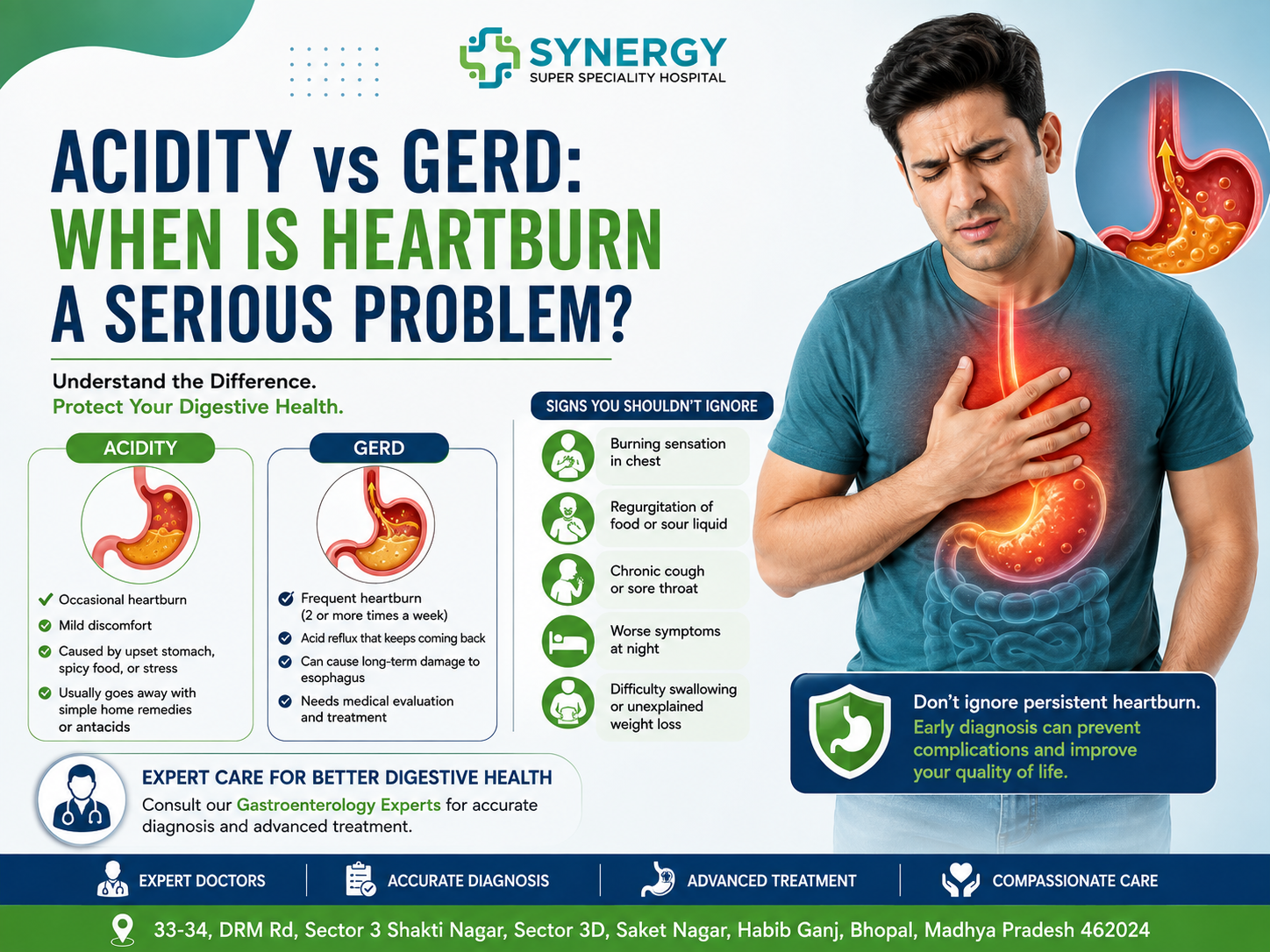
Heartburn is one of the most common digestive complaints experienced by people of all ages. Many individuals occasionally feel a burning sensation in the chest after eating spicy food, consuming large meals, or lying down soon after eating. While occasional acidity is usually not a cause for concern, frequent or persistent heartburn may indicate a more serious condition known as Gastroesophageal Reflux Disease (GERD). Understanding Acidity vs GERD: When Is Heartburn a Serious Problem? is important for recognizing when simple lifestyle changes are enough and when medical evaluation becomes necessary.
Although acidity and GERD share similar symptoms, they are not the same condition. Occasional acidity generally resolves with dietary modifications or over-the-counter medications, whereas GERD is a chronic digestive disorder in which stomach acid repeatedly flows back into the esophagus, causing irritation and increasing the risk of complications if left untreated. Early diagnosis and appropriate treatment can help relieve symptoms, prevent damage to the esophagus, and improve overall digestive health.
At Synergy Super Speciality Hospital, Bhopal, patients receive comprehensive gastroenterology care supported by advanced diagnostic technology, experienced specialists, and a patient-centered approach. From the evaluation of acidity and acid reflux to the diagnosis and treatment of GERD and other digestive disorders, the hospital provides personalized care to help patients achieve long-term relief and better digestive health.
Best Gastroenterology Hospital in Bhopal – Synergy Super Speciality Hospital
Digestive disorders can significantly affect daily life, eating habits, sleep quality, and overall well-being. Whether symptoms occur occasionally or persist for several weeks, timely medical evaluation is essential to identify the underlying cause and prevent complications.
At Synergy Super Speciality Hospital, experienced gastroenterology specialists provide comprehensive diagnosis and treatment for a wide range of digestive conditions using modern medical technology and evidence-based treatment protocols.
The hospital provides expert care for:
✔ Acidity
✔ Acid Reflux
✔ GERD (Gastroesophageal Reflux Disease)
✔ Gastritis
✔ Stomach Ulcers
✔ Indigestion
✔ Bloating
✔ Difficulty Swallowing
✔ Irritable Bowel Syndrome (IBS)
✔ Liver Disorders
✔ Pancreatic Diseases
✔ Gastrointestinal Disorders
Every patient receives an individualized treatment plan based on their symptoms, medical history, lifestyle, and diagnostic findings.
About Synergy Super Speciality Hospital
Synergy Super Speciality Hospital is one of the fastest-growing multispeciality hospitals in Bhopal, committed to providing advanced healthcare with compassion, innovation, and affordability. Established in 2024, the hospital combines modern medical technology, highly skilled doctors, experienced nursing staff, and patient-focused services under one roof.
Within a short span, the hospital has earned recognition for delivering high-quality healthcare across multiple specialties while maintaining a strong commitment to patient safety, clinical excellence, and ethical medical practices.
The hospital offers:
✔ Advanced diagnostic facilities
✔ Expert specialist consultations
✔ Modern operation theatres
✔ Well-equipped ICUs
✔ 24/7 Emergency Services
✔ 24/7 Pharmacy
✔ Blood Bank Services
✔ Multidisciplinary patient care
✔ Affordable treatment options
✔ Comprehensive healthcare under one roof
The vision of Synergy Super Speciality Hospital is to combine advanced medical technology with compassionate healthcare, ensuring every patient receives timely, safe, and effective treatment.
Why Choose Synergy Super Speciality Hospital?
Choosing the right hospital is an important step toward effective diagnosis and treatment. Synergy Super Speciality Hospital focuses on delivering comprehensive healthcare through experienced specialists, modern infrastructure, and patient-centered care.
Patients choose Synergy Super Speciality Hospital because of:
✔ Advanced medical technology
✔ Experienced multidisciplinary specialists
✔ Comprehensive gastroenterology services
✔ State-of-the-art diagnostic facilities
✔ Modern ICUs
✔ 24/7 Emergency Care
✔ 24/7 Pharmacy
✔ Blood Bank Services
✔ Affordable healthcare
✔ Personalized treatment plans
✔ Compassionate patient care
The hospital’s mission is to provide quality healthcare while ensuring every patient receives accurate diagnosis, timely treatment, and continuous medical support.
What Is Acidity?
Acidity is a common digestive condition that occurs when the stomach produces excess acid or when stomach acid temporarily moves upward into the esophagus. Most people experience acidity occasionally after eating heavy meals, spicy foods, oily foods, or consuming excessive caffeine.
Occasional acidity usually improves with simple lifestyle changes or medications and does not necessarily indicate a serious medical condition.
Common symptoms of acidity include:
✔ Burning sensation in the chest (heartburn)
✔ Sour taste in the mouth
✔ Indigestion
✔ Mild stomach discomfort
✔ Bloating
✔ Burping
✔ Nausea
Most episodes of acidity are short-lived and improve with proper dietary habits and medical guidance.

What Is GERD?
Gastroesophageal Reflux Disease (GERD) is a chronic digestive disorder in which stomach acid repeatedly flows back into the esophagus due to weakness or dysfunction of the lower esophageal sphincter (LES). Frequent acid reflux causes irritation of the esophageal lining and may lead to inflammation or complications if not treated.
Unlike occasional acidity, GERD is a long-term condition that often requires medical evaluation and ongoing management.
Common symptoms of GERD include:
✔ Frequent heartburn
✔ Acid reflux
✔ Chest discomfort
✔ Difficulty swallowing
✔ Chronic cough
✔ Hoarseness of voice
✔ Sore throat
✔ Regurgitation of food or acid
Persistent symptoms occurring more than twice a week may indicate GERD rather than simple acidity.
Acidity vs GERD – Understanding the Difference
Although acidity and GERD share similar symptoms, they differ in severity, frequency, and long-term impact.
| Acidity | GERD |
|---|---|
| Usually occasional | Chronic condition |
| Triggered by food or lifestyle | Caused by repeated acid reflux |
| Improves with simple treatment | Often requires long-term management |
| Symptoms occur occasionally | Symptoms occur frequently |
| Rarely causes complications | Can damage the esophagus if untreated |
Understanding this difference helps patients recognize when recurring heartburn should be evaluated by a gastroenterologist.
Common Symptoms of Acidity
Most people experience occasional acidity at some point in their lives.
Common symptoms include:
✔ Burning sensation after meals
✔ Sour taste in the mouth
✔ Burping
✔ Mild indigestion
✔ Feeling of fullness
✔ Upper abdominal discomfort
✔ Temporary heartburn
Symptoms often improve after avoiding trigger foods or taking prescribed medications.
Common Symptoms of GERD
GERD symptoms are generally more frequent and persistent than simple acidity.
Symptoms may include:
✔ Heartburn occurring multiple times each week
✔ Acid regurgitation
✔ Difficulty swallowing
✔ Chest pain after meals
✔ Persistent cough
✔ Hoarseness
✔ Chronic sore throat
✔ Bad breath
✔ Sleep disturbances due to reflux
✔ Feeling of food getting stuck in the throat
Ignoring persistent GERD symptoms may increase the risk of complications affecting the esophagus.
When Is Heartburn a Serious Problem?
Occasional heartburn after a heavy meal is usually harmless. However, persistent or worsening heartburn should never be ignored, especially if it begins affecting daily life or is associated with other concerning symptoms.
Seek medical evaluation if you experience:
✔ Heartburn more than twice a week
✔ Difficulty swallowing
✔ Persistent chest discomfort
✔ Unexplained weight loss
✔ Frequent vomiting
✔ Blood in vomit
✔ Black or tarry stools
✔ Chronic cough
✔ Hoarseness lasting several weeks
✔ Symptoms that do not improve with medication
Early diagnosis and treatment can prevent complications such as esophagitis, ulcers, narrowing of the esophagus, or Barrett’s esophagus.
Causes of GERD
GERD develops when the lower esophageal sphincter (LES), the muscular valve between the esophagus and stomach, becomes weak or relaxes inappropriately. This allows stomach acid to repeatedly flow back into the esophagus, causing irritation and inflammation.
Several factors may contribute to GERD.
Common causes include:
✔ Weak lower esophageal sphincter (LES)
✔ Hiatal hernia
✔ Delayed stomach emptying
✔ Obesity
✔ Pregnancy
✔ Excess stomach acid production
✔ Smoking
✔ Excessive alcohol consumption
✔ Certain medications
✔ Frequent consumption of fatty or spicy foods
✔ Large meals before bedtime
Identifying the underlying cause helps doctors recommend the most effective treatment plan.
Risk Factors for GERD
Certain lifestyle habits and medical conditions increase the likelihood of developing chronic acid reflux and GERD.
Common risk factors include:
✔ Obesity
✔ Pregnancy
✔ Smoking
✔ Alcohol consumption
✔ Sedentary lifestyle
✔ High-fat diet
✔ Frequent spicy food intake
✔ Excess caffeine
✔ Carbonated beverages
✔ Eating late at night
✔ Sleeping immediately after meals
✔ Stress and anxiety
✔ Hiatal hernia
People with these risk factors should pay attention to persistent symptoms and seek medical advice if heartburn becomes frequent.
How GERD Can Affect Your Health
Untreated GERD can affect more than just the digestive system. Continuous exposure of the esophagus to stomach acid may lead to long-term complications if proper treatment is delayed.
Possible complications include:
✔ Esophagitis (Inflammation of the esophagus)
✔ Esophageal ulcers
✔ Narrowing of the esophagus (Stricture)
✔ Barrett’s Esophagus
✔ Increased risk of esophageal cancer
✔ Chronic cough
✔ Voice changes
✔ Dental enamel erosion
✔ Sleep disturbances
✔ Reduced quality of life
Early diagnosis and treatment help reduce these risks and protect long-term digestive health.
How Is GERD Diagnosed?
If heartburn becomes frequent or symptoms persist despite lifestyle changes or medications, a gastroenterologist may recommend further evaluation.
Diagnosis usually begins with a detailed medical history and physical examination, followed by appropriate investigations when necessary.
Diagnostic tests may include:
✔ Medical history evaluation
✔ Physical examination
✔ Upper Gastrointestinal Endoscopy
✔ 24-hour Esophageal pH Monitoring
✔ Esophageal Manometry
✔ Barium Swallow X-ray
✔ Blood investigations (when indicated)
✔ Additional imaging studies if required
These investigations help confirm GERD, assess the severity of acid reflux, and identify complications affecting the esophagus.
Treatment Options for Acidity and GERD
Treatment depends on the frequency and severity of symptoms, the underlying cause, and the presence of complications.
A personalized treatment plan may include lifestyle modifications, medications, and, in selected cases, surgical intervention.
Lifestyle Modifications
For many patients, healthy lifestyle changes significantly reduce acid reflux symptoms.
Doctors commonly recommend:
✔ Eating smaller meals
✔ Avoiding overeating
✔ Maintaining a healthy weight
✔ Avoiding spicy and fatty foods
✔ Reducing caffeine intake
✔ Limiting alcohol consumption
✔ Quitting smoking
✔ Avoiding meals close to bedtime
✔ Elevating the head while sleeping
✔ Exercising regularly
These habits can reduce acid reflux episodes and improve overall digestive health.
Medications
Medications help reduce stomach acid production, relieve symptoms, and promote healing of the esophagus.
Commonly prescribed medicines may include:
✔ Antacids
✔ H2 Receptor Blockers
✔ Proton Pump Inhibitors (PPIs)
✔ Prokinetic medicines (selected patients)
Medications should always be taken under the supervision of a qualified healthcare professional.
Endoscopic and Surgical Treatment
Most GERD patients improve with medications and lifestyle changes. However, surgery may be considered for individuals with severe GERD, complications, or symptoms that do not respond to medical treatment.
Treatment options may include:
✔ Laparoscopic Anti-Reflux Surgery
✔ Hiatal Hernia Repair
✔ Advanced Endoscopic Procedures (when indicated)
The most appropriate treatment is determined after a thorough clinical evaluation.
Foods That May Trigger Heartburn
Certain foods and beverages can increase acid production or relax the lower esophageal sphincter, making reflux symptoms worse.
Common trigger foods include:
✔ Spicy foods
✔ Fried foods
✔ Fatty meals
✔ Chocolate
✔ Citrus fruits
✔ Tomatoes
✔ Carbonated drinks
✔ Coffee
✔ Tea (in excess)
✔ Alcohol
✔ Peppermint
Avoiding or limiting these foods may help reduce symptoms in many individuals.

Foods That May Help Reduce Acid Reflux
A balanced diet plays an important role in managing acidity and GERD.
Foods that may help include:
✔ Oatmeal
✔ Bananas
✔ Melons
✔ Green vegetables
✔ Whole grains
✔ Lean protein
✔ Low-fat dairy products
✔ Ginger
✔ Plenty of water
✔ Fiber-rich foods
Dietary recommendations should be individualized according to each patient’s symptoms and nutritional needs.
Benefits of Early Diagnosis and Treatment
Recognizing persistent heartburn early and seeking medical care offers several important health benefits.
Early treatment may help:
✔ Prevent esophageal damage
✔ Reduce chronic inflammation
✔ Improve swallowing
✔ Relieve heartburn
✔ Improve sleep quality
✔ Reduce complications
✔ Improve quality of life
✔ Prevent Barrett’s Esophagus
✔ Support long-term digestive health
Timely diagnosis allows gastroenterologists to provide effective treatment before complications develop.
Why Choose Synergy Super Speciality Hospital?
Effective management of acidity and GERD requires experienced specialists, accurate diagnosis, and comprehensive digestive care. Synergy Super Speciality Hospital combines advanced technology with compassionate healthcare to provide personalized treatment for digestive disorders.
Patients choose Synergy Super Speciality Hospital because of:
✔ Experienced Gastroenterology Specialists
✔ Advanced Endoscopy Services
✔ Modern Diagnostic Facilities
✔ State-of-the-Art Infrastructure
✔ Comprehensive Digestive Care
✔ 24/7 Emergency Services
✔ ICU Facilities
✔ 24/7 Pharmacy
✔ Blood Bank Services
✔ Affordable Healthcare
✔ Patient-Centered Treatment
✔ Multidisciplinary Medical Care
The hospital is committed to delivering accurate diagnosis, effective treatment, and long-term digestive health solutions for every patient.
Currently Serving Patients Across Bhopal
Synergy Super Speciality Hospital provides comprehensive gastroenterology and digestive healthcare services for patients across Bhopal and nearby regions. With advanced diagnostic technology, experienced specialists, and a patient-first approach, the hospital offers personalized care for a wide range of digestive disorders.
The hospital provides specialized care for:
✔ Acidity
✔ Gastroesophageal Reflux Disease (GERD)
✔ Gastritis
✔ Peptic Ulcers
✔ Indigestion
✔ Bloating
✔ Irritable Bowel Syndrome (IBS)
✔ Fatty Liver Disease
✔ Liver Disorders
✔ Pancreatic Diseases
✔ Gallbladder Disorders
✔ Gastrointestinal Infections
✔ Constipation
✔ Diarrhea
✔ Digestive Health Check-ups
Patients from different parts of Bhopal trust Synergy Super Speciality Hospital for accurate diagnosis, advanced treatment, and compassionate digestive healthcare.
Tips to Prevent Acidity and GERD
Although occasional acidity is common, adopting healthy lifestyle habits can significantly reduce the risk of chronic acid reflux and GERD.
Helpful preventive measures include:
✔ Eat smaller and more frequent meals
✔ Avoid overeating
✔ Eat slowly and chew food properly
✔ Avoid spicy, oily, and fried foods
✔ Maintain a healthy body weight
✔ Stay physically active
✔ Avoid lying down immediately after meals
✔ Finish dinner at least 2–3 hours before bedtime
✔ Reduce caffeine and carbonated drinks
✔ Avoid smoking and alcohol
✔ Drink plenty of water
✔ Manage stress through relaxation techniques
Following these habits can improve digestive health and reduce recurrent episodes of heartburn.
Common Myths About Acidity and GERD
Many misconceptions about acidity and GERD may delay diagnosis and proper treatment. Understanding the facts helps patients make informed healthcare decisions.
Myth 1: Heartburn Is Always Caused by Spicy Food
Fact: While spicy food can trigger symptoms, GERD may also result from obesity, a weak lower esophageal sphincter, hiatal hernia, pregnancy, certain medications, and other medical conditions.
Myth 2: Occasional Heartburn and GERD Are the Same
Fact: Occasional acidity usually resolves with simple lifestyle changes, whereas GERD is a chronic condition that causes frequent acid reflux and may require long-term medical treatment.
Myth 3: Drinking Milk Always Relieves Acidity
Fact: Milk may provide temporary relief for some individuals, but full-fat milk can sometimes increase stomach acid production and worsen symptoms.
Myth 4: Heartburn Is Not a Serious Health Problem
Fact: Frequent heartburn should never be ignored because untreated GERD can lead to esophagitis, ulcers, Barrett’s esophagus, and other serious complications.
Myth 5: GERD Only Affects Older Adults
Fact: GERD can occur at any age. Young adults, pregnant women, and individuals with obesity or unhealthy lifestyle habits may also develop chronic acid reflux.
Summary
Understanding Acidity vs GERD: When Is Heartburn a Serious Problem? is important because not every episode of heartburn is harmless. Occasional acidity often improves with healthy dietary habits and lifestyle modifications, whereas persistent heartburn occurring several times a week may indicate Gastroesophageal Reflux Disease (GERD). Symptoms such as frequent acid reflux, difficulty swallowing, chronic cough, chest discomfort, or heartburn that does not improve with medication require medical evaluation.
At Synergy Super Speciality Hospital, patients receive comprehensive gastroenterology care supported by experienced specialists, advanced diagnostic technology, and personalized treatment plans. Early diagnosis and timely treatment help relieve symptoms, protect the esophagus, prevent long-term complications, and improve overall digestive health.
FAQs – Acidity vs GERD: When Is Heartburn a Serious Problem?
1. What is the difference between acidity and GERD?
Acidity is usually an occasional condition caused by excess stomach acid, while GERD is a chronic digestive disorder in which stomach acid repeatedly flows back into the esophagus, causing frequent symptoms and potential complications.
2. How often should heartburn occur before I see a doctor?
If heartburn occurs more than twice a week, persists despite medications, or is associated with difficulty swallowing, chest pain, or weight loss, medical evaluation is recommended.
3. Can GERD be cured?
GERD can often be effectively managed with lifestyle changes, medications, and, in selected cases, surgical treatment. Early diagnosis helps achieve better long-term symptom control.
4. What foods should I avoid if I have GERD?
Patients with GERD are commonly advised to limit spicy foods, fatty meals, fried foods, citrus fruits, tomatoes, chocolate, coffee, carbonated beverages, peppermint, and alcohol if these trigger symptoms.
5. Can stress make acid reflux worse?
Yes. Stress does not directly cause GERD, but it may worsen symptoms and increase the frequency of acid reflux episodes in some individuals.
6. Is chest pain caused by GERD dangerous?
GERD can cause chest discomfort that may resemble heart-related pain. Because chest pain may also indicate serious heart conditions, immediate medical evaluation is recommended if the cause is uncertain.
7. What tests are used to diagnose GERD?
Diagnosis may include a medical history, physical examination, upper GI endoscopy, 24-hour pH monitoring, esophageal manometry, and other investigations based on individual symptoms.
8. Where can I get treatment for GERD in Bhopal?
Synergy Super Speciality Hospital provides comprehensive diagnosis and treatment for GERD, acidity, acid reflux, and other digestive disorders through advanced gastroenterology services and personalized patient care.
Conclusion – Acidity vs GERD: When Is Heartburn a Serious Problem?
Occasional heartburn is common and often improves with simple dietary changes and healthy lifestyle habits. However, frequent or persistent heartburn should never be ignored, as it may be a sign of Gastroesophageal Reflux Disease (GERD). Recognizing the difference between acidity and GERD allows timely diagnosis and treatment, helping prevent complications such as esophagitis, ulcers, Barrett’s esophagus, and long-term damage to the esophagus.
At Synergy Super Speciality Hospital, patients receive expert gastroenterology care with advanced diagnostic facilities, modern treatment options, and compassionate support. Whether you are experiencing occasional acidity or persistent acid reflux, early medical evaluation and personalized treatment can help relieve symptoms, improve digestive health, and enhance your overall quality of life.