A General Surgeon in Bhopal evaluates and treats a wide range of conditions that may affect the abdomen, digestive system, skin, soft tissues, breast, and other parts of the body. Not every condition requires surgery. In many situations, a surgeon may first recommend observation, medicines, dietary changes, or other non-surgical measures depending on the diagnosis.
Surgical treatment may become appropriate when a condition causes persistent symptoms, complications, obstruction, infection, bleeding, tissue damage, or does not improve with conservative management. The type of procedure depends on the underlying condition, its severity, the patient’s medical history, and the results of clinical examination and diagnostic tests.
Some surgical conditions develop suddenly, while others progress gradually. Abdominal pain, swelling, a lump, repeated vomiting, difficulty passing stool, or symptoms following an injury may sometimes require surgical assessment. Early evaluation can help determine whether surgery is necessary or whether another treatment approach is more suitable.
What Does General Surgery Include?
General surgery is a broad surgical specialty that covers many conditions involving the abdomen, gastrointestinal tract, skin, soft tissues, and related structures.
A General Surgeon in Bhopal may evaluate conditions involving:
- Appendix
- Gallbladder
- Hernias
- Intestines
- Stomach
- Soft tissues
- Skin and subcutaneous tissues
- Certain breast conditions
- Abscesses
- Anorectal conditions
- Some emergency surgical problems
General surgeons may use both traditional open procedures and minimally invasive techniques depending on the condition and clinical circumstances.
The choice of surgical approach is not the same for every patient. A surgeon may consider the location and size of the problem, previous surgeries, overall health, and available diagnostic information before recommending a procedure.
Common Conditions That May Require Surgical Treatment
Several common medical conditions can sometimes require surgical intervention. Whether surgery is necessary depends on the individual’s symptoms and diagnosis.
Common conditions include:
- Appendicitis
- Gallstones
- Gallbladder inflammation
- Hernias
- Certain intestinal problems
- Abscesses
- Some anorectal conditions
- Certain soft-tissue lumps
- Selected breast conditions
- Some emergency abdominal conditions
Some of these conditions may be managed without surgery in selected circumstances, while others may require an operation because of complications or the risk of worsening.
Appendicitis and Appendix Problems
Appendicitis occurs when the appendix becomes inflamed. It can cause pain that often begins around the abdomen and may become more prominent in the lower-right side.
Other possible symptoms include:
- Abdominal pain
- Loss of appetite
- Nausea
- Vomiting
- Fever
- Abdominal tenderness
Symptoms can vary between individuals, and other conditions can cause similar abdominal pain.
An Appendix Surgery in Bhopal evaluation may involve a physical examination, blood tests, ultrasound, CT imaging, or other investigations depending on the clinical situation.
When appendicitis is confirmed and surgery is recommended, appendectomy involves removing the inflamed appendix. The surgical approach may be open or laparoscopic depending on the patient’s condition and the surgeon’s assessment.

Gallstones and Gallbladder Problems
Gallstones are hardened deposits that can form inside the gallbladder. Some people have gallstones without experiencing symptoms, while others may develop abdominal pain or complications.
Possible symptoms include:
- Pain in the upper-right abdomen
- Pain after meals
- Nausea
- Vomiting
- Indigestion
- Fever when inflammation or infection develops
When gallstones cause repeated symptoms or complications, surgical treatment may be considered.
Gallbladder Surgery in Bhopal commonly refers to removal of the gallbladder, known as cholecystectomy. Laparoscopic surgery may be considered in suitable patients.
The need for surgery depends on symptoms, imaging findings, complications, and overall medical assessment.
Hernia and Hernia Surgery
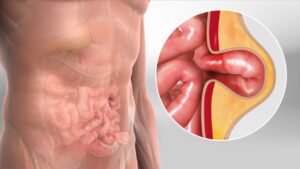
A hernia occurs when tissue pushes through a weakened area of the surrounding muscle or connective tissue. Hernias commonly occur in the abdomen or groin.
A person may notice:
- A visible or palpable lump
- Discomfort while lifting
- Pain during coughing or straining
- A feeling of pressure
- Swelling that changes with position
Some hernias remain relatively stable, while others may enlarge or become complicated.
A Hernia Surgeon in Bhopal can assess the location and characteristics of the hernia and determine whether observation or surgical repair may be appropriate.
Hernia repair involves returning the protruding tissue to its appropriate position and strengthening the weakened area. Depending on the case, open or laparoscopic repair may be considered.
When Does a Hernia Become an Emergency?
A previously known hernia requires prompt medical attention if there is sudden severe pain, a rapidly increasing swelling, persistent vomiting, abdominal distension, or a lump that becomes firm and cannot be pushed back.
These symptoms can sometimes indicate obstruction or compromised blood supply to the trapped tissue.
Emergency assessment is particularly important when symptoms develop suddenly or become significantly worse.
A surgeon can determine whether urgent intervention is required after examination and appropriate investigations.
What Is Laparoscopic Surgery?
Laparoscopic surgery is a minimally invasive surgical technique in which procedures are performed through small incisions using a camera and specialised instruments.
Depending on the procedure, potential advantages can include:
- Smaller incisions
- Less tissue disruption
- Reduced postoperative discomfort in some cases
- Earlier mobilisation
- Shorter hospital stay for selected procedures
However, laparoscopic surgery is not appropriate for every patient or every condition.
A Laparoscopic Surgeon in Bhopal may determine whether a minimally invasive approach is suitable based on the specific diagnosis, previous operations, anatomy, medical history, and complexity of the condition.
Sometimes a surgeon may need to change from a laparoscopic procedure to an open operation if this becomes necessary for patient safety.
Abdominal Conditions That May Require Surgery
The abdomen contains several organs, and abdominal pain can have many different causes. Some conditions can be managed medically, while others may require surgical treatment.
Possible surgical abdominal conditions include:
- Appendicitis
- Gallbladder disease
- Hernias
- Intestinal obstruction
- Perforation
- Certain abdominal infections
- Some gastrointestinal conditions
- Selected abdominal masses
The location and character of abdominal pain can provide useful information, but symptoms alone cannot establish a diagnosis.
A medical evaluation may include abdominal examination, blood tests, ultrasound, CT scan, or other investigations depending on the suspected condition.
Intestinal Obstruction
Intestinal obstruction occurs when the normal movement of food and digestive contents through the intestine becomes blocked.
Possible symptoms include:
- Abdominal pain
- Abdominal swelling
- Vomiting
- Constipation
- Difficulty passing gas
- Cramping
The causes can vary and may include previous abdominal surgery, hernias, certain intestinal conditions, or other structural problems.
Some cases require urgent surgical evaluation. The treatment depends on the cause and severity of the obstruction and may involve hospital monitoring, supportive treatment, endoscopic intervention, or surgery in selected cases.
Abscesses and Soft-Tissue Infections
An abscess is a collection of pus that can develop because of an infection. It may occur in the skin or deeper tissues.
Common symptoms include:
- Localised swelling
- Pain
- Redness
- Warmth
- Tenderness
- Fever in some cases
Some abscesses require drainage because antibiotics alone may not adequately remove the collection.
A General Surgeon in Bhopal can determine whether an abscess requires drainage, antibiotics, observation, or another form of treatment.
Attempting to squeeze or drain a deep or painful swelling at home can cause complications and should be avoided.
Anorectal Conditions
General surgeons may also evaluate certain conditions affecting the anus and rectum.
Common problems include:
- Haemorrhoids
- Anal fissures
- Fistula
- Perianal abscess
- Certain anorectal infections
Symptoms may include pain, bleeding, swelling, itching, discharge, or difficulty passing stool.
Not every anorectal condition requires surgery. Treatment depends on the diagnosis and severity.
A Piles Treatment in Bhopal evaluation may involve medical management, dietary measures, lifestyle changes, procedures, or surgery depending on the condition.
Persistent rectal bleeding should not automatically be assumed to be piles because other conditions can cause similar symptoms.
How Are Surgical Conditions Diagnosed?
Diagnosis usually begins with a detailed medical history and physical examination.
Depending on the condition, a surgeon may recommend:
Blood Tests
Blood tests can provide information about infection, inflammation, anaemia, and other health factors.
Ultrasound
Ultrasound can help evaluate the gallbladder, abdomen, soft tissues, and certain other structures.
CT Scan
CT imaging may provide detailed information about abdominal conditions, appendicitis, intestinal problems, injuries, and other conditions.
MRI
MRI may be used for selected soft-tissue or anatomical problems when more detailed imaging is required.
Endoscopy
Endoscopic examinations may be considered for certain gastrointestinal symptoms and conditions.
The tests selected depend on the symptoms and suspected diagnosis. Not every patient requires every investigation.
What Does Surgical Treatment Involve?
Surgical treatment depends entirely on the condition being treated. Before recommending an operation, a surgeon generally considers the diagnosis, symptoms, examination findings, investigation reports, medical history, and potential risks and benefits.
Depending on the situation, treatment may include:
- Observation
- Medicines
- Lifestyle changes
- Drainage procedures
- Endoscopic procedures
- Laparoscopic surgery
- Open surgery
- Postoperative rehabilitation
- Follow-up monitoring
Surgery is not automatically the first treatment for every condition. When a non-surgical option is medically appropriate, it may be considered before an operation.
Preparing for Surgery
If surgery is recommended, preparation depends on the type of procedure and the patient’s health.
A surgeon may discuss:
- Required investigations
- Current medicines
- Allergies
- Existing medical conditions
- Fasting instructions
- Anaesthesia
- Expected hospital stay
- Possible risks
- Recovery process
- Follow-up requirements
Patients should provide accurate information about medicines and medical conditions. Certain medicines may need specific instructions before surgery, but they should not be stopped without guidance from the treating healthcare team.
Recovery After Surgery
Recovery varies considerably depending on the procedure, the patient’s overall health, and whether the surgery was planned or performed as an emergency.
Postoperative care may involve:
- Pain management
- Wound care
- Gradual physical activity
- Appropriate nutrition
- Medicines as prescribed
- Follow-up appointments
- Monitoring for complications
Patients should follow the specific instructions provided by their surgical team.
Symptoms such as increasing wound redness, persistent fever, worsening pain, unusual discharge, repeated vomiting, or significant swelling should be discussed with the healthcare team promptly.
Why Follow-Up Care Matters
Surgery addresses a specific medical problem, but recovery does not end immediately after the procedure.
Follow-up appointments can help assess:
- Wound healing
- Pain control
- Return of normal activity
- Eating and digestion
- Possible complications
- Need for additional treatment
The timing of follow-up depends on the procedure and individual recovery.
Patients should avoid comparing their recovery timeline with another person’s because different operations and health conditions can have very different recovery patterns.
When Should You See a General Surgeon?
You may consider a surgical evaluation if you have:
- Persistent abdominal pain
- A new abdominal or groin lump
- Recurrent gallbladder-related symptoms
- Suspected appendicitis
- A painful swelling or abscess
- Persistent anorectal symptoms
- Symptoms of intestinal obstruction
- A condition that may require surgical intervention
- A previous surgical problem that has returned
A General Surgeon in Bhopal can assess the symptoms and determine whether surgery, further testing, medical management, or observation is appropriate.
Choosing a Hospital for General Surgery
When looking for a General Surgeon in Bhopal, patients may consider more than the availability of a surgeon alone.
Important factors can include:
- Appropriate diagnostic facilities
- Availability of surgical care
- Anaesthesia support
- Emergency services when required
- Postoperative monitoring
- Infection-control practices
- Follow-up care
- Access to minimally invasive procedures when appropriate
The most suitable facility depends on the patient’s condition and the type of care required.
Patients can also bring previous investigation reports, prescriptions, imaging, and details of earlier treatments to their surgical evaluation.
How Can a General Surgeon Help?
A General Surgeon in Bhopal can evaluate conditions that may require surgical management and explain the available treatment options.
During an assessment, the surgeon may review:
- Current symptoms
- Duration of symptoms
- Previous medical history
- Earlier surgeries
- Current medicines
- Allergies
- Imaging reports
- Blood-test results
Based on the findings, the surgeon may recommend observation, medical management, additional testing, a procedure, or surgery.
The purpose of surgical consultation is not always to proceed directly to an operation. In many cases, the first step is establishing what is causing the symptoms and determining the most appropriate management.
General Surgeon in Bhopal at SYNERGY SUPERSPECIALITY HOSPITAL
For individuals looking for a General Surgeon in Bhopal, SYNERGY SUPERSPECIALITY HOSPITAL provides multidisciplinary medical care where patients can discuss surgical and other health concerns with qualified healthcare professionals.
The hospital is located at 33–34, DRM Road, Sector 3D, Saket Nagar, Habib Ganj, Bhopal, Madhya Pradesh 462024.
Patients coming for a surgical evaluation can bring previous ultrasound reports, CT or MRI reports, blood investigations, prescriptions, and details of previous treatment. This information may help the healthcare professional understand the history of the condition.
Depending on the diagnosis, patients may be evaluated for conditions such as hernia, gallbladder disease, appendicitis, soft-tissue problems, and other conditions that may require surgical management.
Why Early Surgical Evaluation Can Matter
Some surgical conditions may initially produce symptoms that appear mild or nonspecific. Abdominal discomfort, a small lump, recurrent pain, or a swelling may sometimes be overlooked until the condition becomes more difficult to manage.
Early evaluation does not necessarily mean that surgery will be required. Instead, it provides an opportunity to determine the underlying cause and understand whether observation, medical treatment, further testing, or surgery is appropriate.
For people searching for a General Surgeon in Bhopal, the focus should be on appropriate diagnosis and treatment based on the individual condition rather than assuming that every surgical problem requires the same procedure.
Frequently Asked Questions About General Surgery
What does a General Surgeon in Bhopal treat?
A General Surgeon in Bhopal may evaluate conditions involving the abdomen, digestive system, gallbladder, appendix, hernias, soft tissues, skin, anorectal region, and certain emergency surgical problems.
When should I consult a General Surgeon in Bhopal?
A General Surgeon in Bhopal may be consulted for persistent abdominal pain, hernias, gallbladder symptoms, suspected appendicitis, abscesses, anorectal problems, or other conditions that may require surgical assessment.
Does every surgical condition require surgery?
No. Some conditions can be managed with medicines, observation, lifestyle changes, or other non-surgical treatments. Surgery is considered when it is appropriate for the specific diagnosis and clinical situation.
What is Appendix Surgery in Bhopal?
Appendix Surgery in Bhopal generally refers to an appendectomy, which involves removing an inflamed appendix when surgery is recommended for appendicitis. The procedure may be performed using an open or laparoscopic approach depending on the circumstances.
What is Gallbladder Surgery in Bhopal?
Gallbladder Surgery in Bhopal commonly involves cholecystectomy, or removal of the gallbladder. It may be recommended for symptomatic gallstones, gallbladder inflammation, or certain complications.
Who can evaluate a hernia?
A Hernia Surgeon in Bhopal can assess a suspected or known hernia and determine whether observation or surgical repair may be appropriate. The decision depends on symptoms, hernia characteristics, and individual health factors.
What is Laparoscopic Surgery in Bhopal?
Laparoscopic Surgery in Bhopal refers to minimally invasive procedures performed through small incisions using a camera and specialised instruments. It can be appropriate for selected surgical conditions but is not suitable for every patient.
Can piles require surgery?
Some cases of haemorrhoids can be managed with dietary measures, lifestyle changes, medicines, or non-surgical procedures. Piles Treatment in Bhopal depends on the severity and type of haemorrhoids and whether symptoms continue despite conservative treatment.
How is a surgical condition diagnosed?
Diagnosis may involve a physical examination, blood tests, ultrasound, CT scan, MRI, endoscopy, or other investigations. The tests depend on the symptoms and suspected condition.
How should I prepare for a surgical consultation?
Bring previous medical reports, imaging results, prescriptions, a list of current medicines, information about allergies, and details of previous surgeries or treatments. This information can help the surgeon understand your medical history.
How long does recovery after surgery take?
Recovery depends on the type of operation, the patient’s health, whether the surgery was planned or emergency, and whether complications occur. Different procedures have different recovery timelines.
Is laparoscopic surgery always better than open surgery?
Not necessarily. The appropriate surgical approach depends on the condition, anatomy, previous surgeries, complexity, and overall patient health. A surgeon can explain which approach is suitable for an individual case.
When should abdominal pain be evaluated urgently?
Severe or rapidly worsening abdominal pain, persistent vomiting, abdominal swelling, fainting, high fever, blood in vomit or stool, or significant tenderness can require prompt medical evaluation. Emergency symptoms should not be managed through self-diagnosis.
Where can I find a General Surgeon in Bhopal?
People searching for a General Surgeon in Bhopal can consider a hospital that provides appropriate surgical evaluation, diagnostic support, anaesthesia services, postoperative monitoring, and follow-up according to the patient’s condition.
Conclusion
Surgical conditions can range from relatively common problems such as hernias and gallstones to urgent conditions such as appendicitis or intestinal obstruction. The symptoms of different conditions can sometimes overlap, which is why proper medical evaluation is important before deciding on treatment.
A General Surgeon in Bhopal can assess the patient’s symptoms, medical history, physical findings, and diagnostic reports to determine whether surgery is required or whether another approach may be suitable.
Surgical treatment may involve laparoscopic surgery, open surgery, drainage, or other procedures depending on the condition. Recovery and follow-up also vary according to the type of treatment performed.
When choosing a General Surgeon in Bhopal, patients can consider appropriate diagnostic facilities, surgical support, postoperative care, emergency services when required, and clear communication about treatment options.
If you have persistent abdominal pain, a new lump or swelling, recurrent gallbladder symptoms, suspected appendicitis, or another condition that may require surgical assessment, discussing the symptoms with a qualified healthcare professional can help determine the appropriate next step.