Hydrocephalus Treatment in Bhopal
- Home
- Hydrocephalus Treatment in Bhopal
Hydrocephalus Treatment in Bhopal focuses on managing a condition in which excess cerebrospinal fluid (CSF) accumulates within the spaces of the brain called ventricles. This accumulation can increase pressure inside the skull and may affect brain function if it is not appropriately evaluated and treated.
Hydrocephalus can occur in newborns, children, adults, and older people. It may develop because of a blockage in the normal flow of CSF, impaired absorption of fluid, bleeding, infection, tumors, head injury, or other neurological conditions. The symptoms and treatment approach can vary considerably depending on the patient’s age, cause, and type of hydrocephalus.
At Synergy Super Speciality Hospital, evaluation may include neurological examination and brain imaging to determine the cause and severity of hydrocephalus. Treatment is planned according to the underlying condition and may involve monitoring, treatment of the cause, or a surgical procedure to restore or divert the flow of CSF.
Understanding Hydrocephalus and How It Affects the Brain
Cerebrospinal fluid surrounds the brain and spinal cord and provides protection while also helping maintain the normal environment around the nervous system. Normally, CSF is continuously produced, circulates through the ventricles and surrounding spaces, and is eventually absorbed into the bloodstream.
Hydrocephalus develops when this normal balance is disrupted. Excess fluid can enlarge the ventricles, a process called ventriculomegaly, and may increase pressure or alter the normal functioning of brain tissue.
The condition may be classified according to its cause, timing, and pattern of CSF circulation.
Common Causes of Hydrocephalus
Hydrocephalus can develop due to several different conditions. Possible causes include:
- Blockage of CSF flow
- Brain tumors
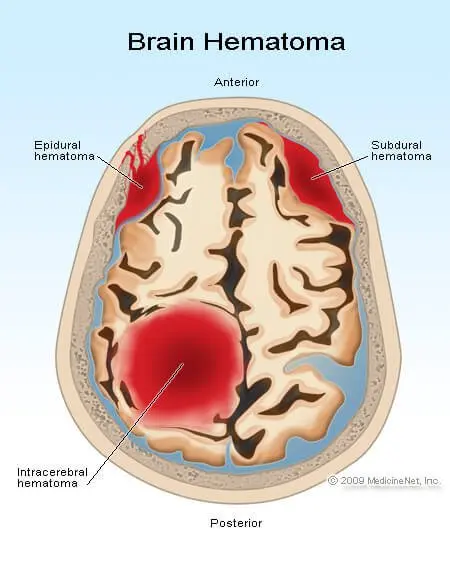
- Brain hemorrhage
- Head injury
- Central nervous system infections
- Developmental abnormalities
- Certain congenital conditions
- Problems with CSF absorption
- Previous brain surgery or neurological disease
In some patients, the exact cause may not be immediately apparent and further investigation may be required.
Symptoms of Hydrocephalus
Symptoms depend on the patient’s age, how quickly the condition develops, and whether pressure on the brain is increasing.
Possible symptoms in adults include:
- Headache
- Nausea or vomiting
- Blurred or double vision
- Difficulty walking
- Balance problems
- Memory difficulties
- Confusion
- Drowsiness
- Urinary problems
- Changes in coordination
Sudden or worsening neurological symptoms require prompt medical evaluation.
Hydrocephalus Treatment in Bhopal for Different Types of Hydrocephalus
Hydrocephalus Treatment in Bhopal depends on the type and underlying cause of the condition. A patient with hydrocephalus caused by a tumor may require treatment directed at the tumor, while another patient may require a procedure to divert CSF.
Treatment decisions may depend on:
- Patient’s age
- Cause of hydrocephalus
- Size of the ventricles
- Neurological symptoms
- Brain imaging findings
- Rate of progression
- Previous treatment
- Overall health
Not every patient requires the same surgical procedure.
Types of Hydrocephalus That May Require Treatment
Hydrocephalus can present in different forms, and understanding the underlying mechanism helps guide treatment.
Obstructive Hydrocephalus
Obstructive hydrocephalus occurs when the normal flow of CSF is blocked within the ventricular system. A tumor, cyst, congenital narrowing, blood clot, or other structural abnormality can sometimes cause this blockage.
Treatment may focus on relieving the obstruction or providing an alternative route for CSF flow.
Communicating Hydrocephalus
In communicating hydrocephalus, CSF can move through the ventricular system but its absorption is impaired. This can occur after conditions such as meningitis or subarachnoid hemorrhage.
The appropriate treatment depends on the underlying cause and clinical findings.
Normal Pressure Hydrocephalus
Normal pressure hydrocephalus, commonly referred to as NPH, generally occurs in older adults. It is associated with a characteristic combination of walking difficulties, cognitive changes, and urinary symptoms.
The diagnosis can be challenging because these symptoms may also occur in other neurological conditions.
Congenital and Childhood Hydrocephalus
Hydrocephalus can develop before birth or during childhood because of developmental abnormalities, infections, bleeding, or obstruction of CSF pathways.
Children may show symptoms such as increasing head size, vomiting, irritability, developmental difficulties, poor feeding, or changes in alertness. Pediatric cases require age-appropriate neurological assessment.
Diagnosis Before Hydrocephalus Treatment in Bhopal
Accurate diagnosis is an important part of Hydrocephalus Treatment in Bhopal. The doctor evaluates symptoms, medical history, neurological findings, and brain imaging.
Diagnostic assessment may include:
- Neurological examination
- CT scan of the brain
- MRI of the brain
- Assessment of ventricular size
- Evaluation of CSF pathways
- Additional testing when required
Neurological Assessment for Hydrocephalus
A neurological examination may assess:
- Walking and balance
- Coordination
- Reflexes
- Muscle strength
- Vision
- Memory
- Mental status
- Speech
These findings are considered together with imaging results when planning treatment.
Endoscopic Third Ventriculostomy for Hydrocephalus
Endoscopic third ventriculostomy, or ETV, is a procedure in which a small opening is created in the floor of the third ventricle to provide an alternative pathway for CSF circulation.
ETV may be appropriate for selected patients, particularly certain forms of obstructive hydrocephalus. It is not suitable for every type of hydrocephalus.
Hydrocephalus Treatment for Normal Pressure Hydrocephalus
Normal pressure hydrocephalus can be difficult to distinguish from other neurological conditions because its symptoms may overlap with problems associated with aging or other diseases.
The commonly recognized symptom pattern includes:
- Difficulty walking or changes in gait
- Cognitive impairment
- Urinary urgency or incontinence
Evaluation generally involves clinical assessment and brain imaging. In selected patients, additional tests may help determine whether CSF diversion is likely to improve symptoms.
Hydrocephalus Caused by Brain Tumors
A tumor can sometimes block normal CSF circulation and lead to hydrocephalus. In such cases, treatment may involve addressing the tumor as well as managing the accumulation of CSF.
Depending on the situation, treatment may involve:
- Surgical removal or biopsy of the tumor
- CSF diversion
- Endoscopic treatment
- Additional treatment for the underlying tumor
The appropriate sequence of treatment depends on the tumor’s location, size, and effect on CSF circulation.
Neurosurgical Evaluation for Hydrocephalus in Bhopal
A Neurosurgeon in Bhopal can evaluate hydrocephalus and determine whether surgical treatment is appropriate. The evaluation generally considers the patient’s symptoms alongside imaging findings rather than relying on ventricular enlargement alone.
The cause of hydrocephalus is particularly important because treatment may involve CSF diversion, restoration of CSF flow, or treatment of another underlying condition.
About Dr. Swati Deshwali
Dr. Varun Singh Pendro is a neurosurgeon associated with Synergy Super Speciality Hospital, Bhopal. His training includes MBBS, MS in General Surgery, and MCh in Neurosurgery.Neurosurgical evaluation may be required for conditions involving the brain, spinal cord, skull, CSF circulation, and other neurological structures.

Call us today to make an appointment and start feeling better!
Frequently Asked Questions About Hydrocephalus Treatment in Bhopal
Hydrocephalus is a condition in which excess cerebrospinal fluid accumulates within the brain’s ventricular system. This can enlarge the ventricles and, in some cases, increase pressure or affect brain function.
Possible causes include blockage of CSF flow, brain tumors, bleeding, infections, head injuries, developmental abnormalities, and impaired absorption of cerebrospinal fluid.
Hydrocephalus can often be managed with appropriate treatment, but the treatment depends on its cause and type. Some patients require surgery to divert or restore CSF flow.
No. The need for surgery depends on the type of hydrocephalus, symptoms, underlying cause, imaging findings, and overall clinical condition.
A ventriculoperitoneal shunt is a device that diverts excess cerebrospinal fluid from the brain’s ventricles to the abdominal cavity, where the fluid can be absorbed.
Endoscopic third ventriculostomy is a procedure that creates an alternative pathway for CSF flow through an opening in the floor of the third ventricle. It is appropriate only for selected patients.
Yes. Hydrocephalus can develop after certain types of bleeding in or around the brain because blood can interfere with normal CSF circulation or absorption.
The cost varies according to the underlying cause, diagnostic investigations, type of treatment, surgical procedure if required, hospital stay, medicines, and postoperative care. An individual estimate requires clinical evaluation.