Head Injury Treatment in Bhopal
- Home
- Head Injury Treatment in Bhopal
A head injury can range from a minor scalp injury to trauma involving the skull, brain tissue, blood vessels, or spinal structures. Falls, road accidents, sports injuries, workplace accidents, and direct blows to the head are common causes. Some symptoms may appear immediately, while others can develop hours or days later, so appropriate medical assessment is important after significant trauma.
At Synergy Super Speciality Hospital, Head Injury Treatment in Bhopal can involve neurological assessment, brain imaging, observation, medical management, and neurosurgical treatment when indicated. The appropriate approach depends on the severity of the injury, neurological findings, imaging results, and the presence of bleeding, swelling, fractures, or other complications.
Understanding Head Injuries and Their Severity
A head injury may affect the scalp, skull, brain, or structures surrounding the brain. Mild injuries can cause temporary symptoms such as headache, dizziness, nausea, confusion, or concentration difficulties. More serious trauma can result in brain bruising, bleeding, swelling, skull fractures, or loss of consciousness.
The severity of an injury is assessed through the patient’s symptoms, neurological examination, mechanism of trauma, consciousness level, and appropriate imaging.
Common Types of Head Injuries
Different forms of trauma require different methods of evaluation and treatment.
Concussion
A concussion is a mild traumatic brain injury that can temporarily affect brain function. Headache, dizziness, confusion, memory problems, nausea, balance difficulties, and sensitivity to light or sound can occur. Symptoms may sometimes develop after the initial injury.
Brain Contusion
A brain contusion is bruising of brain tissue caused by trauma. Depending on its size and location, it may require observation, repeated imaging, or more intensive treatment.
Skull Fracture
A significant impact can fracture the skull. Some fractures can be managed with observation, while complicated fractures may require surgical evaluation.
Intracranial Hemorrhage
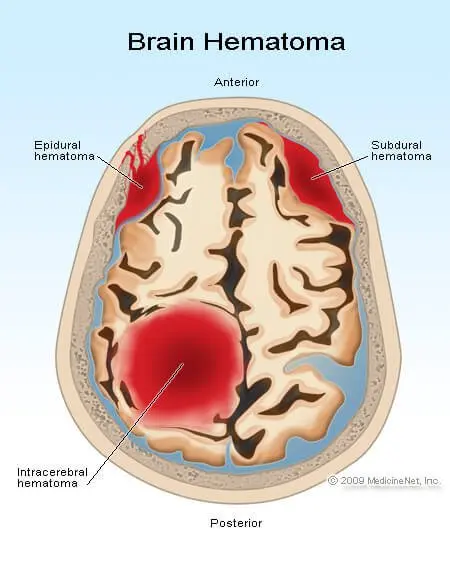
Bleeding inside or around the brain can occur after head trauma. Hematomas can place pressure on brain tissue and may require close monitoring or surgery depending on their size, location, and associated symptoms.
Head Injury Treatment in Bhopal for Different Types of Trauma
Head Injury Treatment in Bhopal begins with determining the severity and type of injury. Treatment can range from observation and symptom management to emergency neurosurgical intervention.
Depending on the condition, treatment may include:
- Neurological monitoring
- Management of symptoms
- Treatment of brain swelling
- Observation for smaller intracranial bleeds
- Management of skull fractures
- Surgical removal of selected hematomas
- Treatment of increased intracranial pressure
- Rehabilitation after significant brain injury
Moderate and severe traumatic brain injuries may require hospital-based emergency and intensive care to reduce the risk of further brain damage.
Symptoms That May Occur After a Head Injury
Symptoms vary according to the severity and location of the injury. Possible symptoms include:
- Headache
- Dizziness
- Nausea or vomiting
- Confusion
- Memory problems
- Drowsiness
- Blurred vision
- Difficulty with balance
- Slurred speech
- Weakness or numbness
- Seizures
- Loss of consciousness
Some symptoms may appear later rather than immediately after the injury.
When Is a Head Injury an Emergency?
Certain symptoms following head trauma require immediate emergency evaluation. These include worsening headache, repeated vomiting, seizures, increasing confusion or drowsiness, loss of consciousness, weakness or numbness, difficulty speaking, unequal pupils, loss of balance, or blood or clear fluid coming from the nose or ears.
After a serious accident, unnecessary movement of the injured person’s neck and spine should be avoided until medical professionals assess them.
Treatment for Brain Bleeding After Head Injury
Bleeding inside the skull can increase pressure on the brain. Small hematomas without significant symptoms may sometimes be monitored, while larger or symptomatic hematomas can require surgical treatment.
Treatment decisions depend on the location and size of the hemorrhage, neurological condition, imaging findings, and whether the bleeding is increasing.
Diagnosis for Head Injury Treatment in Bhopal
The initial evaluation generally includes understanding how the injury occurred and assessing consciousness, speech, movement, sensation, pupils, coordination, and other neurological functions.
CT Scan for Head Injury
A CT scan is commonly used in emergency assessment of suspected traumatic brain injury. It can help identify skull fractures, bleeding, hematomas, contusions, and brain swelling.
MRI After Head Trauma
MRI provides detailed images of brain tissue and may be considered after the patient’s condition has stabilized or when symptoms continue and additional information is needed.
Neurological Examination
A neurological examination helps assess the patient’s level of consciousness, memory, speech, strength, sensation, coordination, and reflexes.
Neurosurgical Treatment for Severe Head Injuries
A Neurosurgeon in Bhopal may become involved when a head injury causes significant intracranial bleeding, brain compression, complicated skull fractures, or other conditions requiring surgical management.
Depending on the injury, surgical procedures may include:
Hematoma Evacuation
A collection of blood that is putting pressure on the brain may require surgical drainage or removal.
Craniotomy
A craniotomy involves temporarily opening part of the skull to access the brain. It may be used in selected cases of significant intracranial bleeding or other traumatic conditions.
Decompressive Surgery
In selected severe injuries, surgery may be performed to relieve dangerous pressure caused by brain swelling.
Head Injury Hospital in Bhopal for Emergency Evaluation
A Head Injury Hospital in Bhopal should be able to assess neurological emergencies and coordinate imaging, monitoring, medical treatment, and neurosurgical care when required.
At Synergy Super Speciality Hospital, head trauma can be evaluated according to the patient’s symptoms and clinical findings, with treatment determined according to the underlying injury.
Recovery After a Head Injury
Recovery depends on the type and severity of the injury. Some people with mild traumatic brain injury recover with monitoring, relative rest, and gradual return to normal activities. More significant injuries may require rehabilitation.
Rehabilitation can include:
- Physiotherapy
- Occupational therapy
- Speech and language therapy
- Cognitive rehabilitation
- Balance and mobility training
- Neurological follow-up
The rehabilitation plan depends on which functions were affected by the injury.
When Should You Consult a Head Injury Specialist in Bhopal?
A Head Injury Specialist in Bhopal may be consulted after significant trauma, particularly when symptoms persist or neurological abnormalities are present.
Prompt assessment is particularly important after:
- Road traffic accidents
- Falls from significant heights
- Sports-related head trauma
- Loss of consciousness
- Repeated vomiting
- Persistent or worsening headache
- Seizures
- New weakness or numbness
- Changes in speech or behavior
Why Timely Assessment Matters After Head Trauma
A head injury may look minor externally while an internal injury is present. Some symptoms of traumatic brain injury can also appear later. For this reason, worsening symptoms after trauma should not be ignored.
The purpose of evaluation is to determine whether the patient needs observation, imaging, medical treatment, neurosurgical intervention, or follow-up care.
About Dr. Swati Deshwali
Dr. Varun Singh Pendro is a neurosurgeon associated with Synergy Super Speciality Hospital, Bhopal. His training includes MBBS, MS in General Surgery, and MCh in Neurosurgery.Neurosurgical evaluation may be required for traumatic conditions involving the brain, skull, spinal cord, and related neurological structures.

Call us today to make an appointment and start feeling better!
Frequently Asked Questions About Head Injury Treatment
Treatment depends on the type and severity of the injury. It can range from observation and symptom management to emergency surgery for serious bleeding, swelling, or other structural injuries.
Yes. Trauma can cause bleeding inside or around the brain. Some small hematomas may be monitored, while larger or symptomatic collections may require surgery.
No. The need for CT imaging depends on the injury mechanism, symptoms, neurological findings, age, medical history, and other clinical factors. CT is commonly used when imaging is indicated in acute traumatic brain injury.
Yes. Some symptoms of traumatic brain injury, including concentration problems, memory changes, dizziness, and other symptoms, may appear hours or days after the injury.
Surgery may be required when there is significant intracranial bleeding, pressure on the brain, certain skull fractures, or other structural injuries requiring intervention.
Recovery varies widely. Mild injuries may improve relatively quickly, while moderate or severe brain injuries can require longer-term rehabilitation and follow-up.
Serious head injuries involving intracranial bleeding, brain compression, skull fractures, or neurological complications may require evaluation by a neurosurgeon.
The cost depends on the severity of the injury, investigations, emergency care, hospital stay, medicines, surgery if required, and rehabilitation. An exact estimate can only be provided after clinical assessment.