Brain Surgery in Bhopal
- Home
- Brain Surgery in Bhopal
Brain surgery may be required for certain conditions affecting the brain, blood vessels, skull, or structures located near the brain. These conditions can include brain tumors, intracranial bleeding, cerebral aneurysms, pituitary tumors, and other disorders that cause pressure on or damage to important neurological structures.
The decision to perform surgery depends on the patient’s symptoms, neurological examination, imaging findings, diagnosis, age, overall health, and the location and nature of the condition. In some cases, observation or non-surgical treatment may be appropriate, while other conditions require timely neurosurgical intervention.
At Synergy Super Speciality Hospital, brain-related conditions can be evaluated through neurological assessment and appropriate imaging, followed by a treatment plan based on the individual diagnosis.
Understanding Brain Surgery and When It May Be Required
Brain Surgery in Bhopal includes a range of neurosurgical procedures used to treat different conditions affecting the brain and surrounding structures. The objective of surgery varies according to the condition.
Surgery may be considered to:
- Remove or obtain tissue from a brain tumor
- Relieve pressure caused by bleeding or swelling
- Treat selected cerebral aneurysms
- Remove or treat certain pituitary tumors
- Repair selected structural abnormalities
- Reduce compression of important neurological structures
Not every neurological condition requires surgery. A detailed evaluation is needed before selecting the appropriate treatment.
Conditions That May Require Brain Surgery
Several neurological conditions can require surgical evaluation. Common examples include:
- Brain tumors
- Intracranial hemorrhage
- Cerebral aneurysms
- Pituitary tumors
- Certain skull or brain injuries
- Hydrocephalus
- Selected vascular abnormalities
- Conditions causing significant pressure on the brain
Brain Tumor Surgery in Bhopal: When Is Surgical Treatment Required?
Brain Tumor Surgery in Bhopal may be considered when a tumor causes symptoms, produces pressure on surrounding brain structures, continues to grow, or requires tissue diagnosis.
Brain tumors can be benign or malignant. Even a non-cancerous tumor can cause problems if it grows in an area where it compresses the brain, nerves, or blood vessels.
Common Symptoms That May Require Brain Tumor Evaluation
Symptoms depend largely on the tumor’s location and size. Possible symptoms include:
- Persistent or progressively worsening headache
- Seizures
- Changes in vision
- Weakness or numbness
- Speech difficulties
- Problems with balance or coordination
- Memory or concentration changes
- Personality or behavioral changes
- Nausea or vomiting in some cases
These symptoms can have many causes, so appropriate neurological evaluation is important.
Diagnosis Before Brain Tumor Surgery
Evaluation may involve:
- Neurological examination
- MRI brain
- CT scan
- Contrast-enhanced imaging when indicated
- Laboratory investigations
- Additional specialized testing when required
Imaging helps the neurosurgical team understand the tumor’s location, size, and relationship with surrounding structures.
Surgical Options for Brain Tumors
Depending on the tumor, its location, and the treatment objective, surgery may involve:
- Biopsy
- Tumor removal
- Partial tumor removal
- Complete removal when medically appropriate
- Decompression to relieve pressure
The extent of removal depends on factors such as tumor location, type, and proximity to critical brain structures.
Aneurysm Surgery in Bhopal: Understanding Treatment for Brain Aneurysms
Aneurysm Surgery in Bhopal involves treatment of selected cerebral aneurysms. A cerebral aneurysm is a weakened area in a blood vessel of the brain that can form a balloon-like enlargement.
Some aneurysms are discovered during imaging performed for another reason. Others become apparent after rupture, which can cause bleeding around the brain and require emergency treatment.
What Is a Cerebral Aneurysm?
A cerebral aneurysm develops when a weakened portion of a blood vessel becomes enlarged. The risk associated with an aneurysm depends on factors such as its size, location, shape, growth, and whether it has ruptured.
Symptoms of a Ruptured Brain Aneurysm
A ruptured aneurysm may cause:
- Sudden, extremely severe headache
- Nausea and vomiting
- Neck stiffness
- Loss of consciousness
- Seizures
- Vision problems
- Confusion
A sudden severe headache that is unusual or dramatically different from previous headaches requires immediate emergency assessment.
How Cerebral Aneurysms Are Diagnosed
Evaluation may involve:
- CT scan
- CT angiography
- MRI
- MR angiography
- Cerebral angiography
The investigation selected depends on the patient’s symptoms and clinical circumstances.
Surgical and Endovascular Treatment for Brain Aneurysms
Treatment depends on the aneurysm’s size, location, shape, rupture status, and other individual factors.
Possible approaches include:
- Surgical clipping
- Endovascular coiling
- Other catheter-based procedures
The appropriate approach is determined after detailed evaluation of the aneurysm and the patient’s overall condition.
Pituitary Tumor Surgery in Bhopal: When Is Surgical Treatment Needed?
Pituitary Tumor Surgery in Bhopal may be considered when a pituitary tumor causes hormonal abnormalities, affects vision, grows significantly, or places pressure on nearby structures.
The pituitary gland is located at the base of the brain and plays an important role in regulating several hormones. Pituitary tumors can therefore produce symptoms related to both pressure and hormone production.
Common Symptoms of Pituitary Tumors
Symptoms may include:
- Headache
- Vision changes
- Loss of peripheral vision
- Hormonal disturbances
- Menstrual changes
- Changes in body composition
- Excessive thirst or urination in some cases
Some pituitary tumors may be discovered incidentally during imaging performed for another reason.
How Pituitary Tumors Are Diagnosed
Assessment may include:
- MRI of the pituitary region
- Hormonal blood tests
- Visual field examination
- Neurological evaluation
The treatment plan depends on the tumor’s type, size, hormonal activity, and effect on surrounding structures.
Hormonal Evaluation Before Pituitary Tumor Surgery
Because the pituitary gland regulates several hormones, hormonal testing can be an important part of the evaluation.
The results can help determine whether the tumor is producing excess hormones or affecting normal pituitary function.
Transsphenoidal Surgery for Pituitary Tumors
Many pituitary tumors requiring surgery can be approached through the nasal passage and sphenoid sinus. This procedure is known as transsphenoidal surgery.
The surgical approach depends on the tumor’s size, location, extension, and relationship with nearby structures.
Types of Brain Surgery Used for Different Conditions
Different neurological conditions require different surgical approaches. The procedure is selected according to the diagnosis and treatment objective.
Craniotomy for Selected Brain Conditions
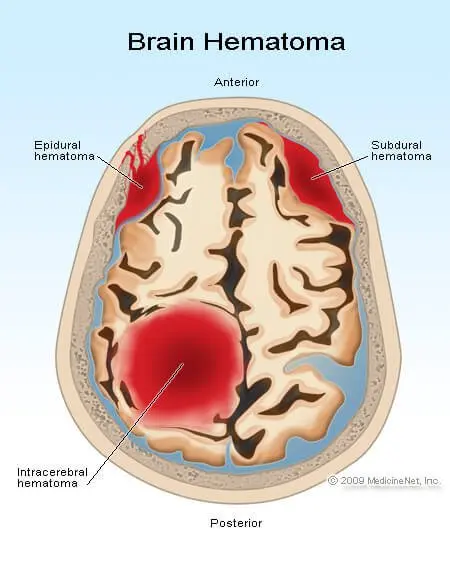
A craniotomy involves temporarily removing a section of the skull to provide access to the brain. It may be used for selected brain tumors, hemorrhages, vascular conditions, and other neurological disorders.
Brain Tumor Biopsy for Tissue Diagnosis
A biopsy may be performed when tissue is required to determine the type and characteristics of a brain tumor. The information obtained can help guide subsequent treatment.
Hematoma Evacuation for Intracranial Bleeding
When a collection of blood creates significant pressure on the brain, surgical evacuation may be required in selected cases.
The approach depends on the location and size of the hematoma and the patient’s neurological condition.
Vascular Neurosurgery for Cerebral Aneurysms
Selected cerebral aneurysms may require microsurgical treatment, while others may be treated using endovascular techniques.
The treatment approach is determined by the aneurysm’s characteristics and the patient’s individual clinical circumstances.
Recovery and Rehabilitation After Brain Surgery in Bhopal
Recovery after brain surgery varies significantly from one patient to another. Factors include the type of surgery, underlying condition, location of the abnormality, neurological status, and general health.
Neurological Monitoring After Brain Surgery
Patients may require close neurological monitoring following surgery. The medical team observes consciousness, movement, speech, vision, and other neurological functions.
Physiotherapy and Rehabilitation After Brain Surgery
Some patients may require rehabilitation to address changes in movement, balance, speech, coordination, or daily activities.
Rehabilitation may include:
- Physiotherapy
- Occupational therapy
- Speech and language therapy
- Cognitive rehabilitation
- Balance training
Risks and Possible Complications of Brain Surgery
Brain surgery is a major medical procedure and carries potential risks. The risks vary depending on the procedure, location of the condition, patient’s health, and other clinical factors.
Possible complications can include:
- Infection
- Bleeding
- Seizures
- Brain swelling
- Blood clots
- Neurological deficits
- Speech difficulties
- Movement difficulties
- Vision problems
- Anesthesia-related complications
- Recurrence or persistence of the underlying condition
The specific risks should be discussed with the treating neurosurgical team before the procedure.
Why Choose Synergy Super Speciality Hospital for Brain Surgery in Bhopal?
Brain surgery requires detailed diagnostic evaluation, careful surgical planning, and appropriate postoperative monitoring. At Synergy Super Speciality Hospital, treatment planning can be based on the patient’s diagnosis, symptoms, imaging findings, and overall medical condition.
The appropriate surgical approach varies between conditions. A brain tumor, hemorrhage, aneurysm, and pituitary tumor each require different considerations during diagnosis and treatment planning.
About Dr. Swati Deshwali
Dr. Varun Singh Pendro is a neurosurgeon associated with Synergy Super Speciality Hospital, Bhopal. His training includes MBBS, MS in General Surgery, and MCh in Neurosurgery.Neurosurgical evaluation may be required for traumatic conditions involving the brain, skull, spinal cord, and related neurological structures.

Call us today to make an appointment and start feeling better!
Frequently Asked Questions About Brain Surgery in Bhopal
Brain surgery may be considered for selected brain tumors, significant intracranial bleeding, certain cerebral aneurysms, pituitary tumors, and other structural or vascular conditions. The decision depends on the diagnosis and individual clinical findings.
No. Some brain tumors can be monitored or treated with non-surgical approaches. Surgery may be considered when tissue diagnosis is required, the tumor causes symptoms or pressure, or removal forms part of the treatment plan.
Surgery may be considered when bleeding produces significant pressure on the brain, causes neurological deterioration, or meets other clinical criteria for intervention.
Treatment depends on the aneurysm’s size, location, shape, rupture status, and other factors. Options may include surgical clipping or endovascular procedures such as coiling.
Pituitary tumor surgery is a procedure used to remove selected pituitary tumors. Many tumors requiring surgery can be approached through the nose using a transsphenoidal technique.
Recovery varies according to the procedure, underlying condition, affected brain region, and the patient’s overall health. Some patients may require rehabilitation before returning to their usual activities.
Brain surgery can involve potential risks, as with other major surgical procedures. The specific risks depend on the condition, surgical approach, location of the abnormality, and the patient’s health.
The cost varies according to the diagnosis, surgical procedure, investigations, hospital stay, medicines, and postoperative care. An individual estimate can be provided only after clinical assessment.