Menstrual Disorder Treatment in Bhopal
- Home
- Menstrual Disorder Treatment in Bhopal
Menstrual cycles can vary from woman to woman, but persistent changes in the timing, duration, flow or pain associated with periods may indicate an underlying gynecological or hormonal condition. Irregular periods, unusually heavy bleeding, painful menstruation, missed periods and bleeding between cycles are some of the common concerns women may experience.
At Synergy Super Speciality Hospital, Menstrual Disorder Treatment in Bhopal begins with understanding the patient’s menstrual history, symptoms, age, medical conditions and reproductive goals. Depending on the concern, evaluation may include blood tests, hormonal investigations, pregnancy testing, pelvic ultrasound or other diagnostic procedures. Treatment is selected according to the underlying cause rather than treating every menstrual problem in the same way.
Understanding Menstrual Disorders and Their Impact on Health
A menstrual disorder refers to an abnormality in the menstrual cycle, including changes in cycle frequency, bleeding pattern or pain. Some variations can occur naturally during adolescence, after pregnancy or around menopause, while persistent changes may require medical evaluation.
Menstrual problems can sometimes be related to hormonal changes, PCOS, thyroid disorders, fibroids, endometriosis, ovarian conditions, pregnancy-related causes or other medical factors.
A Menstrual Disorder Specialist in Bhopal can evaluate the complete menstrual pattern and determine whether the changes require investigation or treatment.
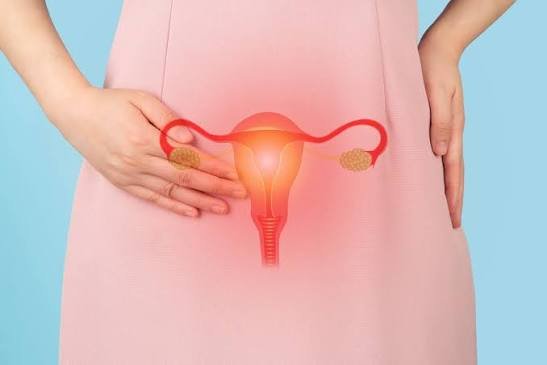
Common Menstrual Problems Women May Experience
Menstrual disorders can present in different ways. Some of the common concerns include:
- Irregular or unpredictable periods
- Very heavy menstrual bleeding
- Periods that last longer than usual
- Very painful periods
- Long gaps between periods
- Absence of periods
- Bleeding between periods
- Bleeding after sexual intercourse
- Changes in menstrual flow
- Menstrual problems associated with PCOS or hormonal conditions
The significance of these symptoms depends on their duration, severity and underlying cause.
Women looking for a Menstrual Problem Doctor in Bhopal should consider evaluation when changes continue over several cycles or begin to interfere with daily activities.
What Can Cause Menstrual Irregularities?
There are many possible causes of menstrual problems. Hormonal fluctuations are common, particularly during puberty and the years approaching menopause. However, menstrual irregularities can also occur because of specific medical conditions.
Possible causes include:
- Polycystic ovary syndrome
- Thyroid disorders
- Uterine fibroids
- Endometriosis
- Adenomyosis
- Ovarian cysts
- Pregnancy
- Certain medications
- Significant changes in body weight
- Excessive physical activity
- Stress
- Problems affecting blood clotting
- Other gynecological or medical conditions
Identifying the cause is an important part of Menstrual Disorder Treatment in Bhopal, because the appropriate treatment can differ substantially depending on the underlying problem.
How Are Menstrual Disorders Diagnosed?
Diagnosis begins with a detailed menstrual and medical history. The doctor may ask about:
- Age when periods began
- Cycle length
- Number of bleeding days
- Amount of menstrual flow
- Pain severity
- Bleeding between periods
- Previous pregnancies
- Current medications
- Weight changes
- Existing medical conditions
- Pregnancy plans
The doctor may recommend investigations depending on the symptoms.
These may include blood tests, hormonal testing, pregnancy testing, pelvic ultrasound and other diagnostic procedures when clinically appropriate.
A Women’s Health Specialist in Bhopal can determine which tests are useful rather than ordering the same investigations for every menstrual concern.
The Role of Ultrasound in Menstrual Evaluation
Pelvic ultrasound can provide information about the uterus, ovaries and surrounding pelvic structures. It may help identify fibroids, ovarian cysts, certain changes associated with adenomyosis and other structural abnormalities.
The type of ultrasound recommended depends on the patient’s age, symptoms and clinical situation.
Ultrasound findings are interpreted alongside the patient’s symptoms and medical history. A scan alone does not always explain the cause of abnormal bleeding or pain.
How Hormonal Conditions Can Affect Periods
Hormonal changes can have a significant effect on menstrual cycles. PCOS, thyroid disorders and other hormonal conditions may interfere with ovulation and result in irregular or absent periods.
For women with PCOS, treatment may involve menstrual regulation, lifestyle management, hormonal medicines or fertility-focused care depending on their individual needs.
If thyroid dysfunction is suspected, thyroid function testing may be recommended.
Understanding the hormonal cause can make Menstrual Disorder Treatment in Bhopal more targeted and appropriate.
Managing Menstrual Problems When Pregnancy Is Planned
Treatment decisions can be different for women who are trying to conceive. Some medicines used to control bleeding or regulate periods may not be appropriate when pregnancy is being planned.
Conditions such as PCOS, endometriosis, fibroids and hormonal disorders can sometimes affect ovulation or fertility.
A Menstrual Disorder Specialist in Bhopal can take reproductive goals into account while evaluating the cause of menstrual irregularities and discussing treatment options.
If conception is difficult, additional fertility assessment may be appropriate depending on the patient’s age, history and duration of trying to conceive.
Menstrual Disorders During Adolescence
Menstrual cycles can be irregular during the first few years after menstruation begins because the reproductive system is still developing. However, extremely heavy bleeding, severe pain or prolonged absence of periods may require evaluation.
Adolescent menstrual concerns can sometimes be associated with PCOS, hormonal conditions, nutritional problems or bleeding disorders.
Parents and young women should seek medical advice when menstrual symptoms significantly interfere with school, sports, sleep or everyday activities.
Menstrual Changes During Perimenopause
As women approach menopause, menstrual cycles can become less predictable. Periods may become closer together, farther apart, lighter or heavier. Although these changes can occur naturally during perimenopause, unusually heavy bleeding or bleeding after menopause should be evaluated. A Women’s Health Doctor in Bhopal can determine whether the symptoms are consistent with hormonal transition or whether another condition requires investigation.
Gynecology Services for Menstrual and Women's Health
Menstrual problems can sometimes be the first sign of another gynecological condition. Irregular periods may be associated with PCOS, while heavy bleeding can occur with fibroids or other uterine conditions. Severe period pain may sometimes be associated with endometriosis or adenomyosis. For this reason, menstrual symptoms should be evaluated in context rather than treated as an isolated problem. The hospital provides women’s healthcare services for menstrual disorders, PCOS, fibroids, endometriosis, ovarian conditions, reproductive health and pregnancy-related concerns. Patients searching for a Gynecology Hospital in Bhopal can access gynecological evaluation and related diagnostic services within the hospital.
Why Choose Us for Menstrual Health Care?
Menstrual problems can have many different causes, so proper evaluation is an important part of treatment planning. At Synergy Super Speciality Hospital, women can receive assessment and management for menstrual and gynecological concerns within a multispeciality hospital environment.
Individual Menstrual Assessment
The patient's cycle history, symptoms, medical conditions and reproductive plans are considered during evaluation.
Appropriate Diagnostic Support
Blood tests, hormonal investigations and pelvic imaging can be recommended when clinically appropriate.
Treatment Based on the Underlying Cause
Treatment is selected according to whether the menstrual problem is related to hormonal changes, PCOS, fibroids, endometriosis, thyroid disease or another condition.
Support for Reproductive Health
Women planning pregnancy can receive evaluation that considers ovulation, menstrual patterns and other reproductive factors.
About Dr. Swati Deshwali
Menstrual problems can sometimes be the first sign of another gynecological condition. Irregular periods may be associated with PCOS, while heavy bleeding can occur with fibroids or other uterine conditions. Severe period pain may sometimes be associated with endometriosis or adenomyosis.For this reason, menstrual symptoms should be evaluated in context rather than treated as an isolated problem.The hospital provides women's healthcare services for menstrual disorders, PCOS, fibroids, endometriosis, ovarian conditions, reproductive health and pregnancy-related concerns.Patients searching for a Gynecology Hospital in Bhopal can access gynecological evaluation and related diagnostic services within the hospital.

Call us today to make an appointment and start feeling better!
Frequently Asked Questions About Menstrual Disorders
A menstrual disorder can involve abnormal cycle timing, unusually heavy or prolonged bleeding, severe menstrual pain, bleeding between periods or absence of periods. The underlying cause can vary between individuals.
Irregular periods can occur because of PCOS, thyroid problems, hormonal changes, stress, significant weight changes, pregnancy, certain medications or other medical conditions. Persistent irregularity should be evaluated.
Heavy menstrual bleeding can be associated with fibroids, adenomyosis, hormonal imbalance, bleeding disorders, certain medications and other gynecological conditions. The cause needs to be assessed individually.
Some menstrual cramping is common, but severe or progressively worsening pain that interferes with everyday life should be evaluated. Endometriosis, adenomyosis and other conditions can cause significant menstrual pain.
Irregular periods may sometimes indicate irregular ovulation, which can make conception more difficult. However, the effect on fertility depends on the underlying cause.
Treatment depends on the cause. It may include medicines, hormonal treatment, lifestyle measures, treatment of an underlying condition, minimally invasive procedures or surgery when clinically appropriate.
Yes. PCOS can interfere with regular ovulation and may result in irregular or infrequent periods. Treatment depends on the patient’s symptoms and reproductive goals.
The cost of Menstrual Disorder Treatment in Bhopal varies depending on the cause of the problem, required investigations, medicines, procedures and whether surgery is necessary. An exact estimate requires individual evaluation.
Many menstrual disorders can be managed without surgery using medicines, hormonal treatment or treatment of the underlying condition. Surgery is considered only for selected conditions when clinically appropriate.
A gynecologist generally evaluates menstrual disorders. Depending on the underlying cause, additional specialists may be involved when required.