High Risk Pregnancy Treatment in Bhopal
- Home
- High Risk Pregnancy Treatment in Bhopal
A pregnancy may be considered high risk when certain health conditions, pregnancy-related complications or other factors increase the need for closer monitoring during pregnancy. Being classified as high risk does not necessarily mean that a complication will occur. It means that the mother or baby may need additional assessment, investigations and follow-up compared with a routine pregnancy.
At Synergy Super Speciality Hospital, High Risk Pregnancy Treatment in Bhopal focuses on identifying potential risks early and monitoring the health of both mother and baby throughout pregnancy. Care may involve regular antenatal visits, blood tests, ultrasound examinations, blood pressure and blood sugar monitoring, fetal assessment and coordination with other specialists when required.
The appropriate approach depends on the mother’s health, pregnancy history, gestational age, fetal development and any complications that arise during pregnancy.
Understanding High Risk Pregnancy and Maternal Health
A high-risk pregnancy can result from a health condition that existed before pregnancy, a problem that develops during pregnancy or certain pregnancy-related circumstances.
Some women may already have conditions such as diabetes, high blood pressure, thyroid disorders, kidney disease or heart disease before becoming pregnant. In other cases, complications such as gestational diabetes, preeclampsia, placenta-related problems or fetal growth concerns may develop during pregnancy.
A pregnancy can also require closer monitoring because of previous pregnancy complications, multiple pregnancy or other clinical factors.
A High Risk Pregnancy Specialist in Bhopal can assess these factors and determine the level of monitoring required during different stages of pregnancy.
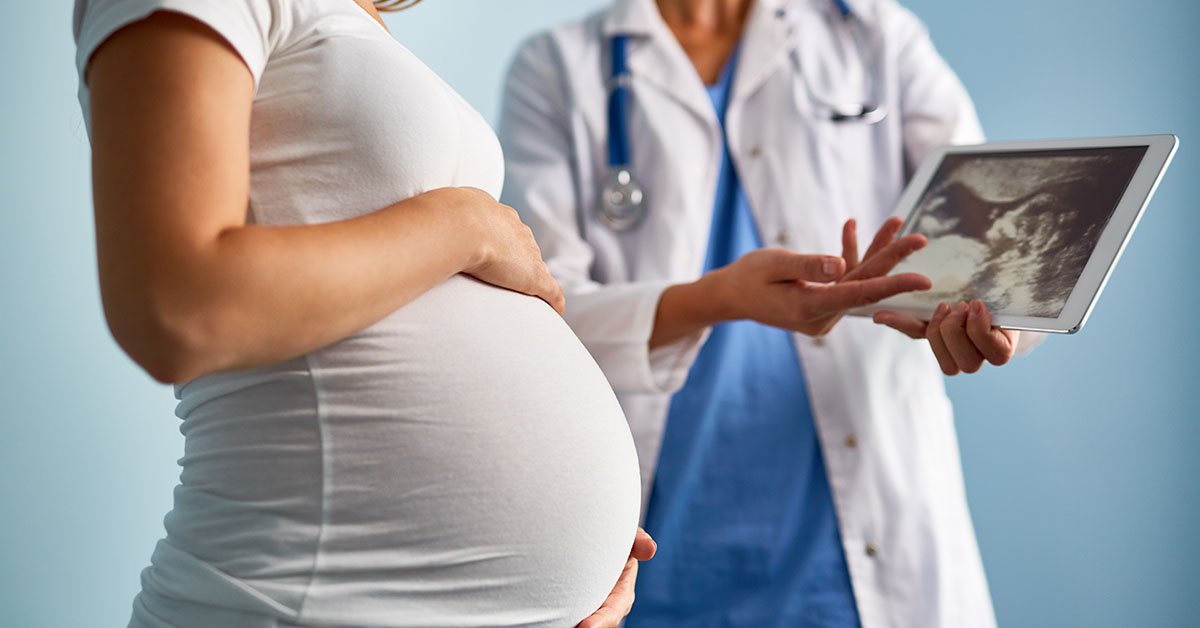
Which Pregnancies May Need Closer Monitoring?
Not every high-risk pregnancy has the same cause or requires the same type of care. Some common situations that may require additional monitoring include:
- Previous pregnancy complications
- High blood pressure or preeclampsia
- Diabetes before or during pregnancy
- Thyroid disorders
- Multiple pregnancy such as twins or triplets
- Previous miscarriage or recurrent pregnancy loss
- Previous premature delivery
- Placental abnormalities
- Fetal growth concerns
- Certain maternal heart, kidney or autoimmune conditions
- Pregnancy at an advanced maternal age
- Certain abnormalities identified during prenatal screening
Not every woman with these symptoms has PCOS. Similar changes can occur with thyroid disorders, elevated prolactin levels and other hormonal conditions.
Women looking for a PCOS Doctor in Bhopal may benefit from an evaluation that considers the complete symptom pattern instead of relying on a single sign.
Common Signs That Require Medical Attention
Upper gastrointestinal endoscopy is a procedure that allows a doctor to examine the lining of the oesophagus, stomach and the beginning of the small intestine using a flexible camera.
It may be recommended when symptoms are persistent, when there are warning signs or when the doctor needs to assess possible complications or other gastrointestinal conditions.
Endoscopy can help identify findings such as inflammation of the oesophagus, narrowing, ulcers or other abnormalities. The decision to perform the procedure depends on the patient’s clinical situation.
The Importance of Regular Antenatal Care
Regular antenatal visits allow the healthcare team to monitor maternal and fetal health and identify changes that may require attention.
During these visits, the doctor may assess:
- Blood pressure
- Blood sugar
- Weight and general health
- Fetal growth
- Fetal heart activity
- Symptoms of pregnancy complications
- Laboratory test results
- Medication requirements
The frequency of visits can vary depending on the pregnancy. Women with certain complications may require more frequent monitoring than those with a lower-risk pregnancy.
High Blood Pressure and Preeclampsia During Pregnancy
High blood pressure during pregnancy can require careful monitoring. Some women may have chronic hypertension before pregnancy, while others develop hypertension during pregnancy.
Preeclampsia is a pregnancy complication involving high blood pressure and signs of involvement of other organs. It can develop after 20 weeks of pregnancy and requires appropriate medical assessment.
Symptoms such as severe headache, visual changes, upper abdominal pain or sudden swelling can require prompt evaluation.
A High Risk Pregnancy Specialist in Bhopal may recommend additional blood tests, urine testing, blood pressure monitoring and fetal assessment depending on the clinical situation.
Diabetes and High Risk Pregnancy Care
Diabetes that exists before pregnancy and gestational diabetes can both affect pregnancy management. Blood glucose levels may need to be monitored more closely to reduce the risk of complications.
Management may involve dietary changes, physical activity appropriate for pregnancy, blood glucose monitoring and medicines when required.
The treatment plan depends on the type of diabetes, glucose levels, stage of pregnancy and other health factors.
Women with diabetes may also require additional monitoring of fetal growth and maternal health.
Thyroid Problems During Pregnancy
Thyroid disorders can affect pregnancy and may require appropriate testing and treatment. Women with known thyroid disease may need thyroid function monitoring during pregnancy, as medication requirements can change.
Untreated or poorly controlled thyroid disorders can be associated with pregnancy complications, which is why appropriate follow-up is important.
A High Risk Pregnancy Doctor in Bhopal may coordinate care with an endocrinologist or physician when additional specialist input is required.
Monitoring Multiple Pregnancies
Pregnancies involving twins, triplets or more than one fetus generally require closer monitoring because the risks can differ from those of a singleton pregnancy.
Additional ultrasound examinations may be required to monitor fetal growth, amniotic fluid and other pregnancy-related factors.
The frequency and type of monitoring depend on whether the pregnancy is progressing normally or whether additional complications develop.
Women with multiple pregnancies should follow the antenatal schedule recommended by their obstetrician.
Previous Pregnancy Complications
A history of preeclampsia, gestational diabetes, premature delivery, miscarriage, stillbirth or other pregnancy complications may influence how a subsequent pregnancy is monitored. However, a previous complication does not mean that the same problem will definitely occur again. The doctor can review the previous pregnancy history and identify factors that may require attention in the current pregnancy. For women seeking High Risk Pregnancy Treatment in Bhopal, sharing complete information about previous pregnancies can help the obstetrician plan appropriate monitoring.
Fetal Growth and Development Monitoring
Fetal growth is an important part of pregnancy care, particularly when there are concerns about placental function, maternal health or fetal development.
Ultrasound may be used to assess fetal growth, amniotic fluid and other aspects of fetal well-being. Depending on the pregnancy, Doppler studies or other fetal assessments may also be recommended.
If fetal growth appears slower or faster than expected, the healthcare team may increase monitoring and investigate possible causes.
Understanding Placental and Pregnancy-Related Complications
The placenta plays an important role in supplying oxygen and nutrients to the developing baby. Certain placental conditions can increase pregnancy risk and may require closer observation.
Placenta previa, placental bleeding and other abnormalities may require specific monitoring depending on their type and severity.
Any vaginal bleeding during pregnancy should be discussed with the treating obstetrician, particularly when bleeding is heavy or associated with pain.
Treatment and Monitoring During a High Risk Pregnancy
High Risk Pregnancy Treatment in Bhopal is not one fixed treatment. It depends on the specific reason the pregnancy has been classified as high risk.
Management may include:
- More frequent antenatal appointments
- SEO Rewrite Plan
- Blood glucose monitoring
- Medication when medically indicated
- Additional ultrasound examinations
- Fetal growth monitoring
- Maternal blood and urine investigations
- Fetal heart monitoring
- Specialist consultations when required
- Planning the timing and method of delivery according to maternal and fetal condition
Why Choose Us for High Risk Pregnancy Care?
High-risk pregnancy care may require regular monitoring, diagnostic investigations and coordination between different medical specialties. At Synergy Super Speciality Hospital, women can receive obstetric evaluation and pregnancy monitoring within a multispeciality hospital environment.\
Individual Pregnancy Risk Assessment
The medical team reviews the mother's health, previous pregnancy history and current pregnancy findings to identify factors requiring additional attention.
Regular Maternal and Fetal Monitoring
Depending on the pregnancy, monitoring may include blood pressure, blood sugar, ultrasound examinations and fetal assessments.
Diagnostic Support
Blood tests, urine tests, ultrasound and other investigations can be arranged when clinically appropriate.
Management of Pregnancy Complications
Conditions such as hypertension, diabetes and other pregnancy-related concerns can be assessed and managed according to the patient's clinical requirements.
About Dr. Swati Deshwali
Dr. Swati Deshwali is an Obstetrician-Gynecologist with MBBS and DGO qualifications. Her listed areas of women's healthcare include PCOD, fibroids, irregular periods and high-risk pregnancies.Women seeking a High Risk Pregnancy Doctor in Bhopal can undergo pregnancy evaluation and monitoring based on maternal health, pregnancy history and current clinical findings.The appropriate monitoring schedule and treatment approach depend on the individual pregnancy.

Call us today to make an appointment and start feeling better!
Frequently Asked Questions About High Risk Pregnancy
A pregnancy may be considered high risk when maternal health conditions, pregnancy complications, previous pregnancy history, fetal concerns or other factors increase the need for additional monitoring.
No. Being classified as high risk means that closer monitoring may be appropriate. Many women with high-risk pregnancies have healthy pregnancies and deliveries with appropriate medical care.
An obstetrician or obstetrician-gynecologist generally manages high-risk pregnancy care. Depending on the mother’s health condition, other specialists may also be involved.
Warning signs can include heavy vaginal bleeding, severe abdominal pain, severe headache, visual changes, sudden swelling, fluid leakage, fever, reduced fetal movement or difficulty breathing. These symptoms require medical assessment.
No. A high-risk pregnancy does not automatically require caesarean delivery. The method of delivery depends on the specific maternal and fetal circumstances.
There is no single schedule for every high-risk pregnancy. The frequency of appointments and investigations depends on the condition being monitored, gestational age and the mother’s and baby’s health.
Yes. Diabetes before pregnancy or gestational diabetes may require additional monitoring and management during pregnancy.
The cost of High Risk Pregnancy Treatment in Bhopal varies according to the pregnancy condition, number of consultations, investigations, medicines, hospitalisation and delivery requirements. An exact estimate depends on the individual treatment plan.
Women with existing medical conditions, previous pregnancy complications, multiple pregnancy or new pregnancy-related concerns should discuss their circumstances with an obstetrician to determine whether additional monitoring is required.