Endometriosis Treatment in Bhopal
- Home
- Endometriosis Treatment in Bhopal
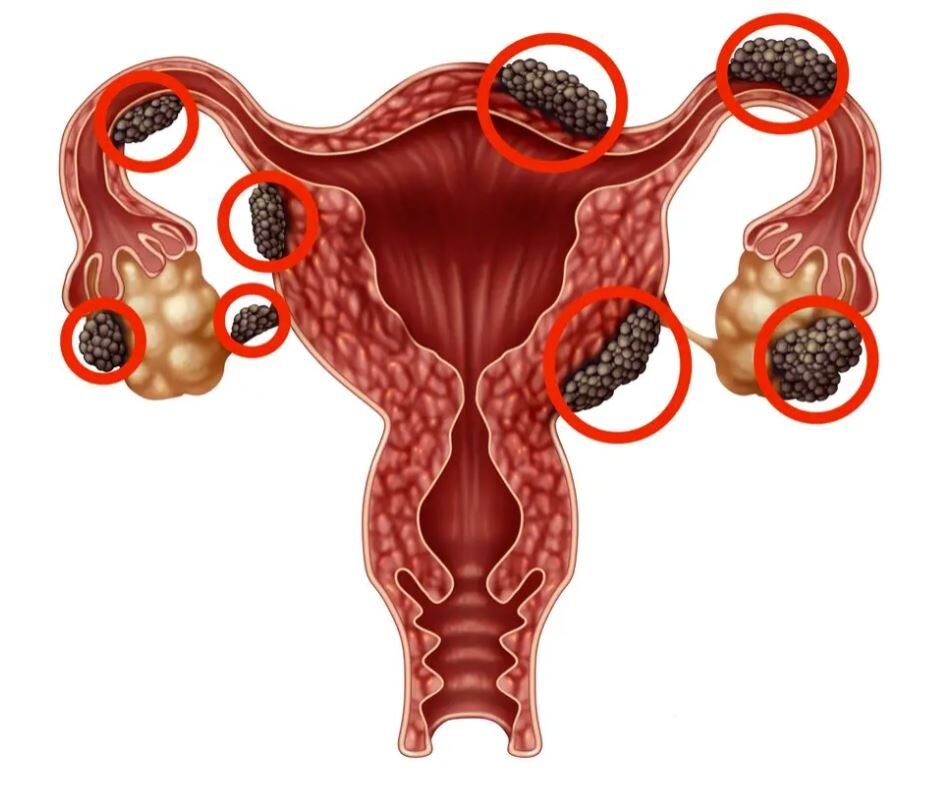
Endometriosis is a chronic gynecological condition in which tissue similar to the lining of the uterus grows outside the uterus. It can affect the ovaries, fallopian tubes, pelvic lining and other areas within the pelvis. Some women may have mild symptoms, while others experience severe period pain, pelvic discomfort, pain during intercourse, bowel or urinary symptoms, or difficulty becoming pregnant.
At Synergy Super Speciality Hospital, Endometriosis Treatment in Bhopal begins with understanding the patient’s symptoms, menstrual history, reproductive plans and previous medical conditions. Depending on the clinical situation, evaluation may include a pelvic examination, ultrasound, MRI or other investigations. Treatment is selected according to the severity of symptoms, location of endometriosis, fertility plans and response to previous treatment.
Understanding Endometriosis and Its Effect on Women's Health
Endometriosis can cause inflammation and the formation of scar tissue or adhesions in the pelvis. Because the condition can affect different organs and tissues, symptoms can vary considerably between women.
Pain is one of the most commonly reported concerns, but the severity of pain does not always correspond directly to the extent of endometriosis. Some women with extensive disease may have limited symptoms, while others may experience significant pain even when the visible disease appears less extensive.
A Endometriosis Specialist in Bhopal can evaluate the complete symptom pattern and determine whether further investigation is appropriate.
Common Symptoms Women Should Not Ignore
Endometriosis symptoms can occur mainly around menstruation, although some women experience symptoms throughout the month.
Common symptoms may include:
- Severe or worsening menstrual cramps
- Pelvic pain
- Lower back pain
- Pain during or after sexual intercourse
- Pain during bowel movements
- Pain while urinating, particularly around menstruation
- Heavy or irregular menstrual bleeding
- Bloating or digestive discomfort
- Fatigue
- Difficulty becoming pregnant
These symptoms can also occur with other gynecological or digestive conditions. Therefore, persistent pelvic pain should not automatically be assumed to be endometriosis. Women searching for an Endometriosis Doctor in Bhopal may benefit from a detailed evaluation to understand the possible cause of their symptoms.
What Causes Endometriosis?
The exact cause of endometriosis is not completely understood. Several theories have been proposed, and hormonal, genetic and immune-related factors may contribute to its development.
Endometriosis is influenced by oestrogen, which can contribute to the activity of endometriosis-related tissue. A family history of the condition may also increase the likelihood of developing it.
Having painful periods does not necessarily mean that a woman has endometriosis. Similarly, the absence of severe pain does not completely exclude the condition.
For this reason, Endometriosis Treatment in Bhopal should begin with appropriate clinical assessment rather than self-diagnosis.
When Should You See a Gynecologist?
Painful periods are common, but severe pain that interferes with work, education, sleep, exercise or daily activities deserves medical attention.
You should consider a gynecological evaluation if menstrual pain is becoming progressively worse, pain continues after menstruation, pain occurs during intercourse, bowel or urinary symptoms appear around periods, or you have been trying to conceive without success.
A Gynecologist in Bhopal can review your menstrual and reproductive history and determine whether symptoms may be associated with endometriosis or another condition.
How Is Endometriosis Diagnosed?
Diagnosis usually begins with a detailed discussion about symptoms and medical history. The doctor may ask about the timing of pain, menstrual cycles, bowel or urinary symptoms, previous treatments and fertility concerns.
A pelvic examination may be performed when appropriate. Imaging such as pelvic ultrasound can help identify ovarian endometriomas and certain forms of deep endometriosis. MRI may provide additional information in selected cases.
Not all endometriosis can be identified through imaging, so a normal scan does not necessarily rule out the condition.
A Gynecologist Doctor in Bhopal can determine which investigations are appropriate according to the patient’s symptoms and clinical findings.
How Endometriosis Can Affect Fertility
Endometriosis does not mean that pregnancy is impossible. Many women with endometriosis become pregnant naturally, while others may require fertility support.
The condition may affect fertility through inflammation, adhesions, changes involving the ovaries or fallopian tubes and other mechanisms. The impact varies between individuals.
Women who are planning pregnancy should discuss their reproductive goals with their gynecologist. Fertility assessment may be recommended based on age, duration of trying to conceive, ovarian reserve, menstrual history and other relevant factors.
A Women’s Health Specialist in Bhopal can help evaluate reproductive concerns alongside endometriosis-related symptoms.
Treatment Options for Endometriosis
There is no single treatment suitable for every woman. Endometriosis Treatment in Bhopal depends on symptoms, disease location, severity, age, previous treatment and whether pregnancy is currently desired.
Treatment may include:
- Pain-relieving medicines
- Hormonal treatment
- Management of menstrual symptoms
- Laparoscopic surgery in selected cases
- Fertility-focused treatment when required
- Long-term follow-up
The goal may be to control pain, reduce disease-related symptoms, preserve fertility where appropriate and improve quality of life.
Managing Endometriosis-Related Pain
Pain management is an important part of endometriosis care. Depending on the individual’s health and symptoms, pain-relieving medicines may be recommended.
Hormonal treatments can also be used in appropriate patients to suppress menstrual cycling and reduce endometriosis-related symptoms.
Treatment needs to be reviewed when symptoms continue despite medication, when side effects occur or when the patient begins planning pregnancy.
A Endometriosis Specialist in Bhopal can help determine which medical options are appropriate based on the patient’s individual circumstances.
The Role of Hormonal Treatment
Hormonal medicines may help reduce endometriosis-related pain by changing hormonal stimulation of endometrial-like tissue. Different hormonal options are available, and the appropriate choice depends on factors such as age, symptoms, medical history, side-effect considerations and reproductive plans. Hormonal treatment generally manages symptoms rather than permanently removing endometriosis. Symptoms may return after treatment is discontinued in some women. Therefore, treatment should be reviewed periodically according to the patient’s goals and response.
When Is Surgery Considered?
Surgery may be considered when endometriosis causes significant symptoms, when medication does not provide adequate relief, when an endometrioma or deep disease requires further management, or in selected fertility-related situations.
Laparoscopic surgery is commonly used for appropriate patients. Through small incisions, a surgeon can examine the pelvic cavity and, when indicated, remove or treat visible endometriosis and adhesions.
The decision to operate depends on the patient’s symptoms, disease characteristics, fertility goals and potential benefits and risks.
Not every woman with endometriosis requires surgery.
Understanding Laparoscopic Endometriosis Surgery
Laparoscopy is a minimally invasive surgical approach that uses a camera and specialised instruments to examine and treat conditions inside the abdomen and pelvis.
When surgery is recommended for endometriosis, the surgeon may remove endometriotic lesions, divide adhesions or treat an endometrioma depending on the findings.
Surgery should be planned carefully, particularly when the disease involves the ovaries, bowel, bladder or other pelvic structures. The potential effect on ovarian reserve and fertility may also need to be considered.
A Gynecology Specialist in Bhopal can discuss the expected benefits, possible risks and alternatives before a surgical decision is made.
Can Endometriosis Be Completely Cured?
Endometriosis is considered a chronic condition, and there is currently no treatment that guarantees permanent elimination in every patient. Treatment can significantly reduce symptoms and improve daily functioning for many women. However, symptoms may return in some patients after treatment. Long-term management may involve medication, lifestyle measures, follow-up and, when appropriate, surgery.The most suitable approach depends on the individual’s symptoms and healthcare goals.
Why Choose Us for Endometriosis Care?
Endometriosis may require assessment of menstrual health, pelvic symptoms, fertility and, in some cases, surgical treatment. Having access to appropriate gynecological evaluation and diagnostic support can help in planning care. At Synergy Super Speciality Hospital, women can receive evaluation and treatment planning for endometriosis within a multispeciality hospital environment.
Individual Clinical Assessment
Symptoms, menstrual history, reproductive goals and previous treatment are considered while evaluating the condition.
Diagnostic Support
Ultrasound and other investigations may be recommended when clinically appropriate to understand the location and possible extent of endometriosis.
Medical Management
Pain and hormonal symptoms can be managed according to the patient's clinical requirements.
Fertility Considerations
For women planning pregnancy, treatment decisions can take reproductive goals into account.
About Dr. Swati Deshwali
Dr. Swati Deshwali is an Obstetrician-Gynecologist with MBBS and DGO qualifications. Her listed areas of women's healthcare include PCOD, fibroids, irregular periods and high-risk pregnancy care.Women seeking an Endometriosis Doctor in Bhopal can undergo gynecological evaluation for persistent menstrual pain, pelvic discomfort, fertility concerns and other symptoms that may require investigation.The appropriate treatment depends on the clinical findings, symptoms, reproductive plans and overall health of the patient.

Call us today to make an appointment and start feeling better!
Frequently Asked Questions About Endometriosis
Endometriosis is a condition in which tissue similar to the uterine lining grows outside the uterus. It can cause inflammation, pelvic pain and, in some women, fertility-related difficulties.
Severe menstrual pain, chronic pelvic pain, pain during intercourse, bowel or urinary pain around periods and difficulty conceiving are among the symptoms that may occur.
Yes. Many women with endometriosis become pregnant. Some may require fertility evaluation or treatment depending on the extent of the disease and other reproductive factors.
Yes. Medication, particularly pain-relieving and hormonal treatments, can be used to manage symptoms in many patients. Surgery may be considered when symptoms are severe or when specific disease characteristics make it appropriate.
Every surgical procedure has potential risks. The risks depend on the type and extent of endometriosis, the organs involved, the surgical procedure and the patient’s overall health. These should be discussed with the treating gynecologist before surgery.
No. Endometriosis does not automatically cause infertility. Its effect on fertility varies depending on factors such as disease location, ovarian involvement, adhesions and other reproductive factors.
The cost of Endometriosis Treatment in Bhopal varies according to the investigations, medicines, duration of treatment and whether a procedure or surgery is required. An exact estimate depends on the individual treatment plan.
Consider a gynecological evaluation if period pain is severe, progressively worsening, interfering with daily activities, associated with pain during intercourse or bowel movements, or accompanied by difficulty conceiving.