Fibroid Treatment in Bhopal
- Home
- Fibroid Treatment in Bhopal
Polycystic Ovary Syndrome (PCOS) is a common hormonal condition that can affect menstrual cycles, ovulation, skin, weight and reproductive health. Some women may experience irregular periods, acne, unwanted facial or body hair, difficulty with weight management or problems with ovulation, while others may have very few noticeable symptoms. PCOS can look different from one woman to another, so treatment needs to be based on individual symptoms, health concerns and reproductive goals.
At Synergy Super Speciality Hospital, PCOS Treatment in Bhopal begins with understanding the patient’s menstrual history, symptoms, medical background and concerns. Depending on the situation, the evaluation may include physical examination, blood tests, hormonal investigations and ultrasound. Treatment is then planned according to whether the main concern is irregular periods, hormonal symptoms, metabolic health, fertility or a combination of these concerns.
Understanding Uterine Fibroids and Their Effect on Women's Health
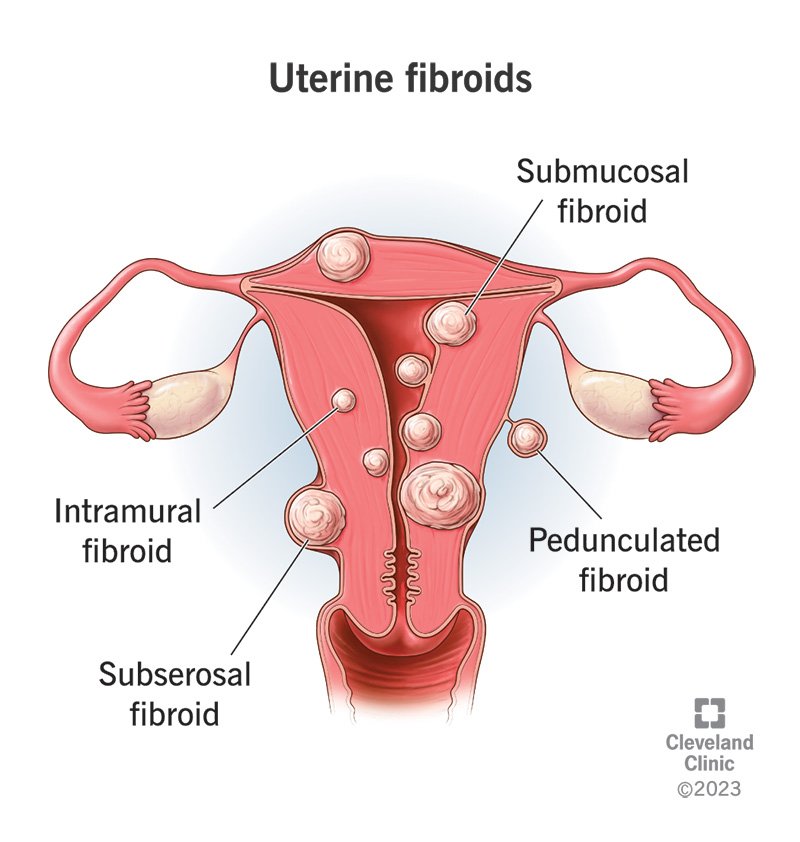
Fibroids develop from muscle tissue of the uterus. They can grow within the uterine wall, project into the uterine cavity or develop on the outer surface of the uterus.
The location of a fibroid can be as important as its size. A relatively small fibroid that projects into the uterine cavity may cause significant bleeding, while a larger fibroid in another location may produce few or no symptoms.
A Uterine Fibroid Specialist in Bhopal can evaluate the location, size and number of fibroids to understand whether they are likely to be responsible for the patient’s symptoms.
Common Symptoms Women May Notice
Not every woman with fibroids experiences symptoms. When symptoms occur, they may include:
- Heavy or prolonged menstrual bleeding
- Painful periods
- Pelvic pressure or heaviness
- Lower abdominal discomfort
- Abdominal enlargement
- Frequent urination
- Constipation or pressure on the bowel
- Pain during sexual intercourse
- Back or leg discomfort
- Difficulty becoming pregnant in some cases
Heavy menstrual bleeding may also lead to iron-deficiency anaemia over time. Women experiencing persistent or unusually heavy periods should therefore seek medical evaluation.
A Fibroid Doctor in Bhopal can assess whether symptoms are related to fibroids or another gynecological condition.
What Causes Uterine Fibroids?
The exact reason why some women develop fibroids is not fully understood. Genetic, hormonal and other biological factors appear to influence their development.Fibroids are responsive to hormones such as oestrogen and progesterone, which is one reason their growth and symptoms can change during different stages of life.Family history may also play a role. Having a close relative with fibroids can be associated with a greater likelihood of developing them.However, the presence of risk factors does not mean that a woman will necessarily develop fibroids. Proper examination and imaging are needed to identify them.
How Are Fibroids Diagnosed?
Diagnosis usually starts with a detailed medical history and gynecological examination. The doctor may ask about menstrual bleeding, pelvic pain, pressure symptoms, fertility concerns and changes in abdominal size.
Pelvic ultrasound is commonly used to identify fibroids and assess their size and location. Depending on the clinical situation, additional imaging such as MRI may be recommended to obtain more detailed information.
A Gynecologist in Bhopal may also recommend blood tests when heavy menstrual bleeding raises concerns about anaemia or other health problems.
Understanding the Different Types of Fibroids
Fibroids are generally classified according to where they develop in relation to the uterus.
Intramural Fibroids
These develop within the muscular wall of the uterus and are among the commonly identified types.
Submucosal Fibroids
These develop close to or project into the inner cavity of the uterus. Even smaller submucosal fibroids can sometimes contribute to heavy menstrual bleeding or fertility-related concerns.
Subserosal Fibroids
These grow toward the outer surface of the uterus and may cause pressure symptoms depending on their size and location.
Pedunculated Fibroids
These fibroids are attached to the uterus by a stalk. Their symptoms depend on their location and size.
Understanding the type and location is important when planning Fibroid Treatment in Bhopal, because different fibroids may require different management approaches.
Treatment Options for Managing Fibroids
The choice of Fibroid Treatment in Bhopal depends on the patient’s individual circumstances.
Observation and Regular Monitoring
Women who have fibroids without troublesome symptoms may only need periodic clinical evaluation and imaging when appropriate.
Medicines
Certain medicines can help control heavy menstrual bleeding, pain or hormonal symptoms. Medication generally manages symptoms rather than physically removing the fibroid.
Minimally Invasive Procedures
Selected fibroids may be treated using procedures designed to reduce their size or remove them while limiting the extent of surgery. Suitability depends on the size, location and number of fibroids.
Surgical Treatment
When symptoms are severe, fibroids are large or other treatments are not suitable, surgery may be considered. The type of surgery depends on whether the goal is to remove individual fibroids or the uterus and on the patient’s reproductive plans.
Can Fibroids Be Removed Without Surgery?
Some women search for ways to remove fibroids naturally or without surgery. It is important to distinguish between managing symptoms and actually removing a fibroid.Diet, exercise and general lifestyle measures can support overall health but do not reliably dissolve established uterine fibroids.Certain medicines and minimally invasive procedures may reduce symptoms or affect fibroid size in selected situations. The appropriate option depends on the individual diagnosis.A Fibroid Treatment Specialist in Bhopal can explain whether observation, medication, a minimally invasive procedure or surgery is appropriate.
Managing Heavy Menstrual Bleeding
Heavy periods are one of the common reasons women seek medical care for fibroids. Losing excessive amounts of blood over repeated cycles can contribute to iron deficiency and anaemia.
Treatment may involve medicines to reduce bleeding, correction of anaemia and management of the underlying fibroid condition.
A Gynecologist Doctor in Bhopal can assess the severity of bleeding and determine whether further investigation or treatment is required.
Can Fibroids Shrink Naturally?
Fibroids can sometimes change in size during different stages of life. They may shrink after menopause when hormone levels decline, but this does not mean that every fibroid will disappear naturally.
There is currently no guaranteed diet, supplement or home remedy that can reliably eliminate established fibroids.
Women should be cautious about products claiming to dissolve fibroids without medical treatment. Such products may delay appropriate diagnosis and management.
Gynecology Services for Fibroid and Women's Health
Fibroids can sometimes occur alongside other gynecological conditions such as PCOS, endometriosis, ovarian cysts or menstrual disorders. Because symptoms can overlap, a complete gynecological evaluation may be useful.
The hospital provides women’s healthcare services for menstrual problems, hormonal conditions, reproductive concerns, fibroids, ovarian conditions and pregnancy-related care.
For patients searching for a Gynecology Hospital in Bhopal, access to appropriate diagnostic evaluation can help determine the cause of symptoms before treatment is selected.
Care for Women Across Bhopal
Synergy Super Speciality Hospital is located at:
33-34, DRM Road, Sector 3D, Saket Nagar, Habib Ganj, Bhopal, Madhya Pradesh 462024
The hospital is accessible to women from Saket Nagar, Habib Ganj, DRM Road, Sector 3D, Shakti Nagar and nearby areas of Bhopal.
Women searching for Fibroid Treatment in Bhopal can seek evaluation according to their symptoms and reproductive healthcare requirements.
Why Choose Us for Fibroid Care?
Fibroid management can involve gynecological evaluation, imaging, medical treatment and, in selected cases, surgical care. The appropriate pathway depends on the patient’s individual circumstances. At Synergy Super Speciality Hospital, women can receive evaluation and treatment planning for fibroids within a multispeciality hospital environment.
Detailed Clinical Assessment
Symptoms, menstrual history, age, reproductive plans and previous medical conditions are considered before treatment is selected.
Diagnostic Support
Ultrasound and other investigations can help determine the size, number and location of fibroids when clinically required.
Individualised Treatment Planning
Not every woman with fibroids needs surgery. The treatment plan is based on symptoms, fibroid characteristics and the patient's healthcare goals.
Surgical Evaluation When Required
For women looking for a Gynecology Hospital in Bhopal, the hospital provides gynecological evaluation and women's healthcare services within a multispeciality setting.
About Dr. Swati Deshwali
Dr. Swati Deshwali is an Obstetrician-Gynecologist with MBBS and DGO qualifications. Her listed areas of women's healthcare include PCOD, fibroids, irregular periods and high-risk pregnancy care.Women seeking a Fibroid Doctor in Bhopal can undergo evaluation for heavy menstrual bleeding, pelvic symptoms, fibroid-related concerns and reproductive health questions.The appropriate treatment depends on the patient's symptoms, imaging findings, reproductive plans and overall medical condition.

Call us today to make an appointment and start feeling better!
Frequently Asked Questions About PCOS
PCOS is generally considered a long-term hormonal condition. Its symptoms can often be managed effectively, but management may need to change at different stages of life.
No. Despite its name, ovarian cysts are not required for a diagnosis of PCOS. Diagnosis is based on a combination of clinical findings and appropriate investigations.
Yes. Irregular or infrequent ovulation is common in PCOS and can result in irregular menstrual cycles.
Yes. Many women with PCOS become pregnant. When irregular ovulation affects conception, appropriate fertility-focused treatment may help.
No. Women with different body types can have PCOS. Lifestyle and nutrition should be tailored to the individual’s health needs rather than focusing only on weight.
Yes. Menstrual, hormonal, metabolic and reproductive symptoms can change with age and life stage. Treatment may therefore need periodic review.
PCOS management is not only about fertility. Menstrual irregularity, hormonal symptoms and metabolic health may also require attention.