Blood Tests
Blood investigations can help look for anaemia, inflammation or other abnormalities when clinically indicated.
Irritable bowel syndrome, commonly known as IBS, is a digestive condition that can affect bowel habits and cause recurring abdominal discomfort. Some people mainly experience constipation, while others have frequent loose stools or a combination of both. Bloating, gas and changes in bowel movements are also common symptoms. IBS can affect people differently, so understanding the pattern of symptoms is an important part of evaluation.
At Synergy Super Speciality Hospital, Bhopal, patients can receive gastroenterology evaluation for IBS and other digestive conditions. The hospital is located at 33-34, DRM Road, Sector 3D, Saket Nagar, Habib Ganj, Bhopal, Madhya Pradesh 462024, making it accessible to patients from Saket Nagar, Habib Ganj, Shakti Nagar, Sector 3 and nearby areas.
For patients looking for IBS Treatment in Bhopal, proper assessment can help distinguish IBS from other digestive conditions and identify an appropriate management approach.
There is no single cause of IBS. Several factors may contribute to the development or worsening of symptoms.
These can include:
The cause can differ between individuals. A Gastroenterology Specialist in Bhopal can assess the symptoms and look for other conditions that may produce similar complaints.
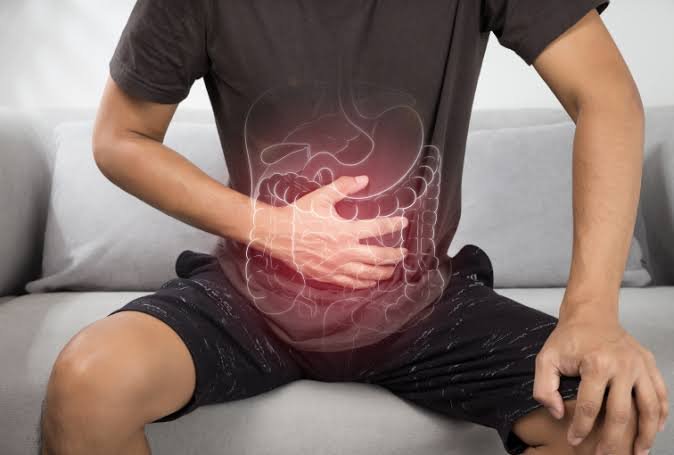
IBS symptoms can vary from person to person. Common complaints include:
Some people notice that their symptoms improve after passing stool, while others experience discomfort associated with changes in bowel habits.
If symptoms are persistent or interfere with daily activities, an IBS Doctor in Bhopal can evaluate the condition and determine whether further investigations are needed.
There is no single blood test or scan that confirms every case of IBS. Doctors generally begin by discussing the patient’s symptoms, their duration and the relationship between abdominal discomfort and bowel movements.
Depending on the symptoms, doctors may recommend:
Blood investigations can help look for anaemia, inflammation or other abnormalities when clinically indicated.
Stool investigations may be used when there is a need to evaluate infection, inflammation or other intestinal problems.
Depending on age, symptoms, medical history and warning signs, a doctor may recommend imaging, endoscopy, colonoscopy or other investigations.
Many digestive conditions can cause abdominal pain, bloating, diarrhoea or constipation. IBS is diagnosed based on a combination of symptoms and clinical assessment, rather than simply relying on one test.
Conditions such as inflammatory bowel disease, coeliac disease, gastrointestinal infections and other disorders can sometimes produce similar symptoms.
This is why proper evaluation is important before assuming that recurring digestive symptoms are caused by IBS.
A Gastroenterologist in Bhopal may review the patient’s symptom pattern and medical history and recommend investigations when clinically necessary.
Food does not affect everyone with IBS in the same way. Large meals, certain carbohydrates, excessive caffeine, fatty foods or other individual triggers may worsen symptoms in some people.
A food and symptom diary can help identify possible associations. Dietary changes should ideally be practical and nutritionally balanced rather than unnecessarily restrictive.
For some patients, a structured dietary approach such as a low-FODMAP diet may be considered under appropriate professional guidance. The diet is generally introduced and adjusted according to individual tolerance.
Daily habits can have an important role in symptom management. Regular meals, adequate fluid intake, physical activity and consistent sleep may support normal bowel function.
Stress can also influence digestive symptoms through communication between the brain and gastrointestinal system. Relaxation techniques, physical activity and other stress-management methods may be useful for some patients.
The goal of IBS Treatment in Bhopal is not simply to reduce symptoms temporarily, but to help patients understand their triggers and develop a manageable long-term routine.
Dr. Nivesh Seehra is listed by the hospital as a Gastroenterologist, Hepatologist and Endoscopist. His clinical practice includes the evaluation and management of digestive and liver-related conditions, along with relevant endoscopic procedures.Patients seeking a Gastroenterologist in Bhopal for recurring acidity, reflux symptoms or other gastrointestinal concerns can undergo assessment based on their individual clinical history.The focus of the evaluation is to understand the cause of symptoms and determine whether lifestyle measures, medication, diagnostic testing or further follow-up may be appropriate.

Medicines may be considered when dietary and lifestyle measures do not provide sufficient symptom control. The choice depends on the dominant symptoms. Depending on the clinical situation, treatment may include medicines aimed at constipation, diarrhoea, abdominal discomfort or intestinal spasms. Medication should be selected according to the patient’s symptoms and medical history rather than used routinely without evaluation. Patients searching for an IBS Doctor in Bhopal should discuss persistent or worsening symptoms before starting long-term medication on their own.
The gastroenterology department provides evaluation and management for a range of digestive and liver-related problems. Depending on clinical requirements, diagnostic procedures such as upper gastrointestinal endoscopy, colonoscopy, endoscopic ultrasound and liver assessment may be considered.
The hospital setting also allows digestive symptoms to be evaluated alongside other medical conditions when necessary. This can be particularly relevant for patients whose symptoms are persistent, complex or associated with other health concerns.
Patients searching for a Gastroenterology Hospital in Bhopal can access gastroenterology evaluation and related diagnostic services at the facility.
The hospital is located at 33-34, DRM Road, Sector 3D, Saket Nagar, Habib Ganj, Bhopal, Madhya Pradesh 462024. Its location makes it accessible to patients from areas around Saket Nagar, DRM Road, Sector 3D, Shakti Nagar and other parts of Bhopal.
Patients from nearby areas looking for IBS Treatment in Bhopal can undergo evaluation based on their symptoms, medical history and treatment requirements.
IBS can significantly affect daily life, but it is different from conditions that cause structural damage to the digestive tract. Persistent or unusual symptoms should still be medically evaluated.
IBS is generally managed rather than treated with a single permanent cure. Many patients can control symptoms through appropriate dietary, lifestyle and medical measures.
Stress may influence communication between the brain and digestive system and can contribute to symptom changes in some people. However, persistent symptoms should not automatically be attributed to stress.
If abdominal pain, bloating, constipation, diarrhoea or bowel changes continue repeatedly, medical evaluation can help determine the underlying cause and appropriate treatment.